
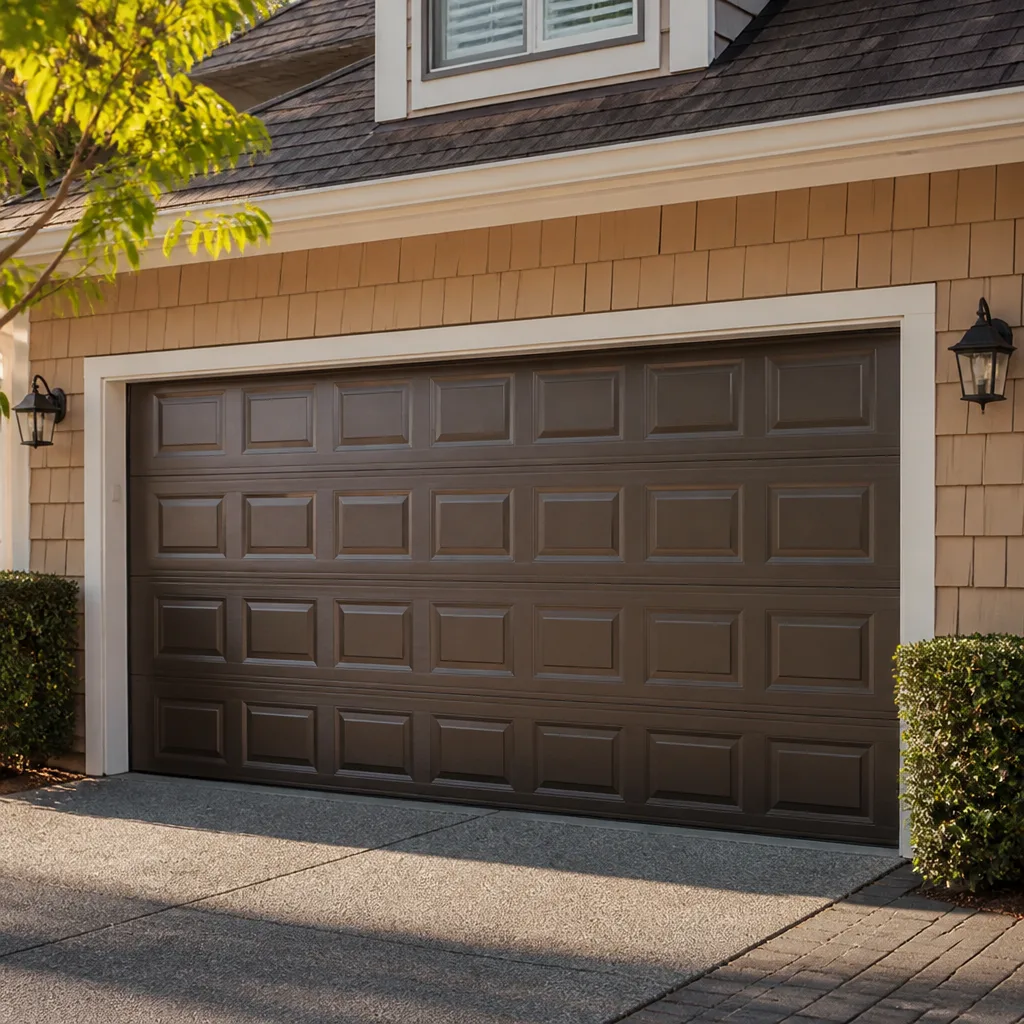
 Raised-panel steel
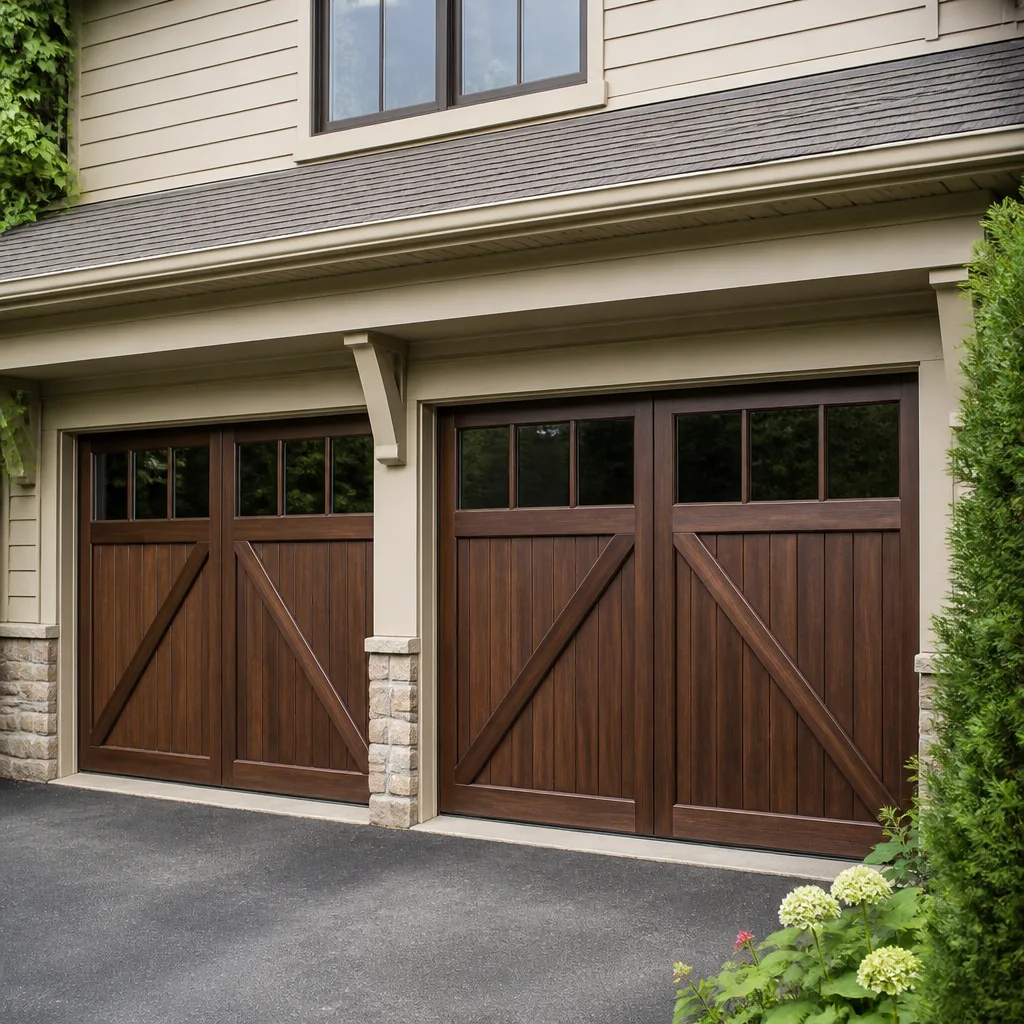 Carriage house
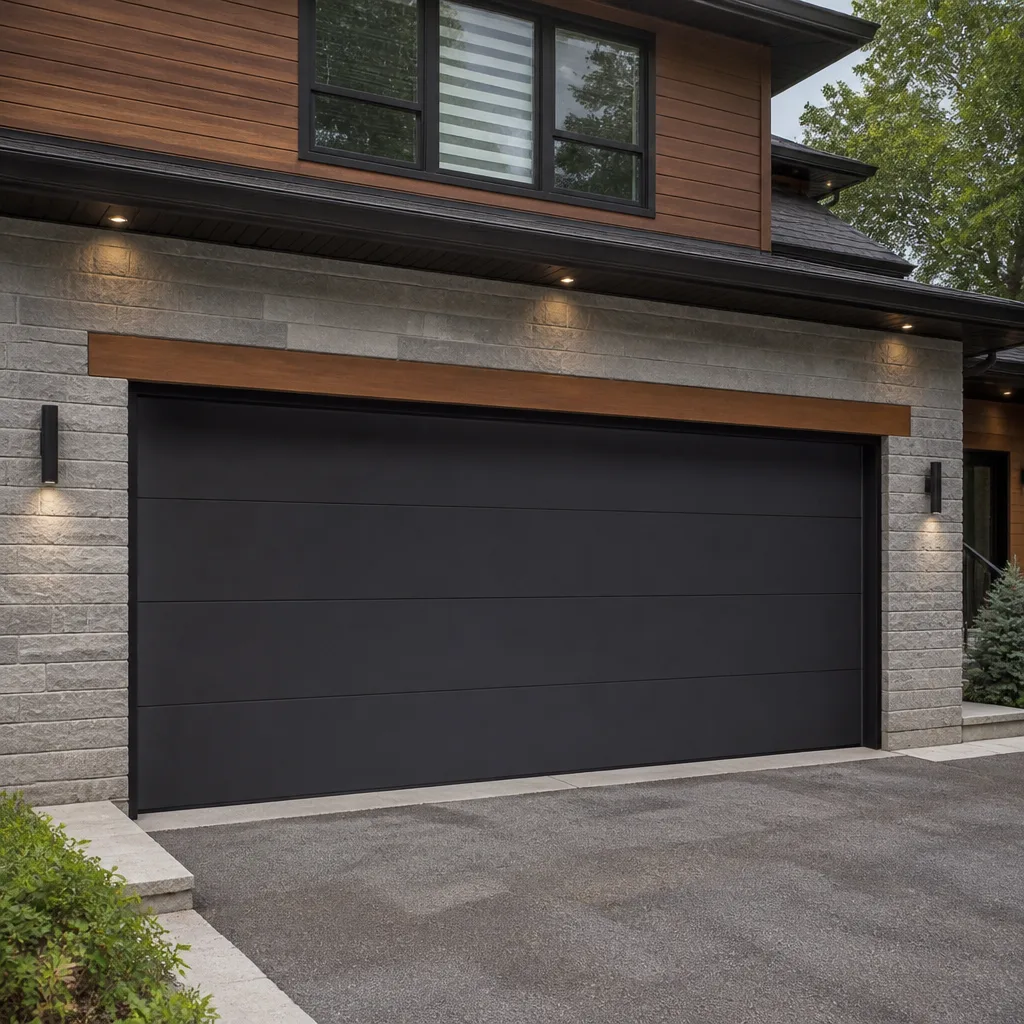 Modern flush
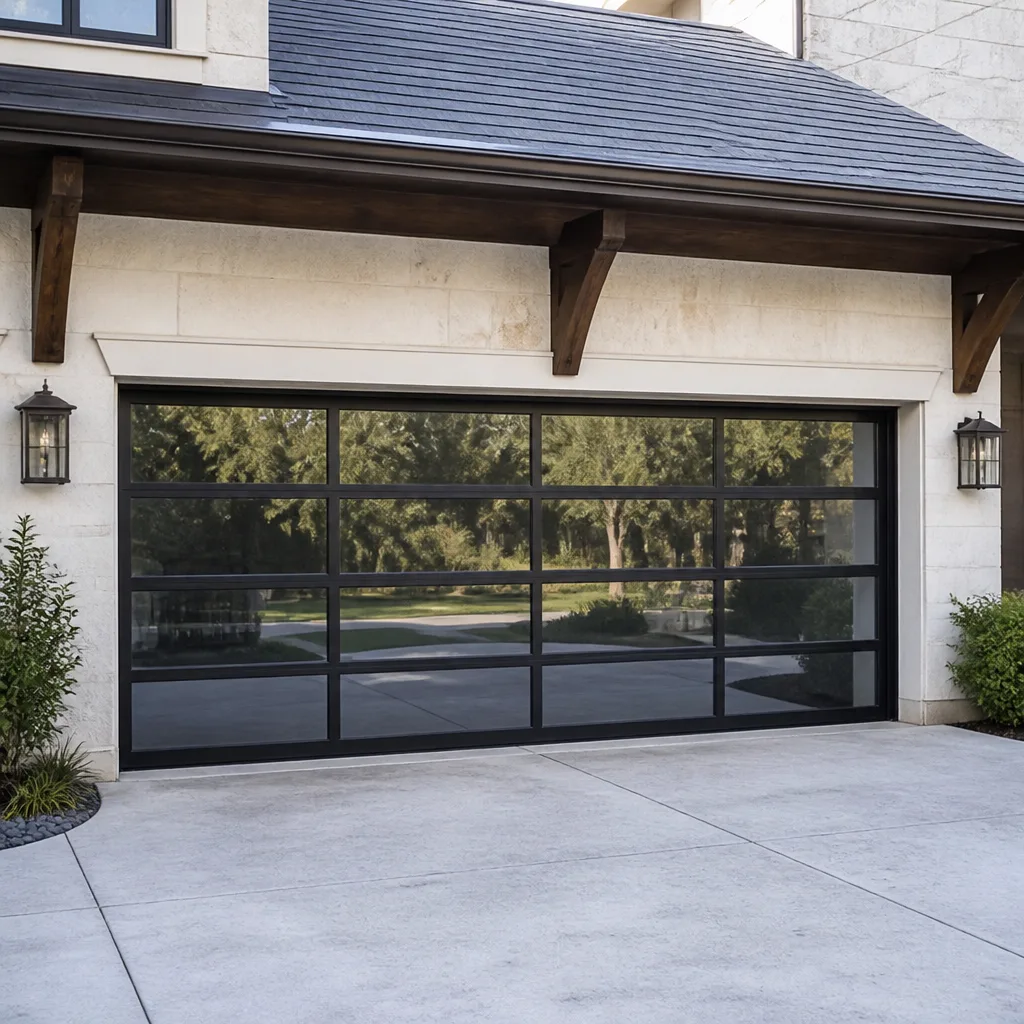 Full-view glass
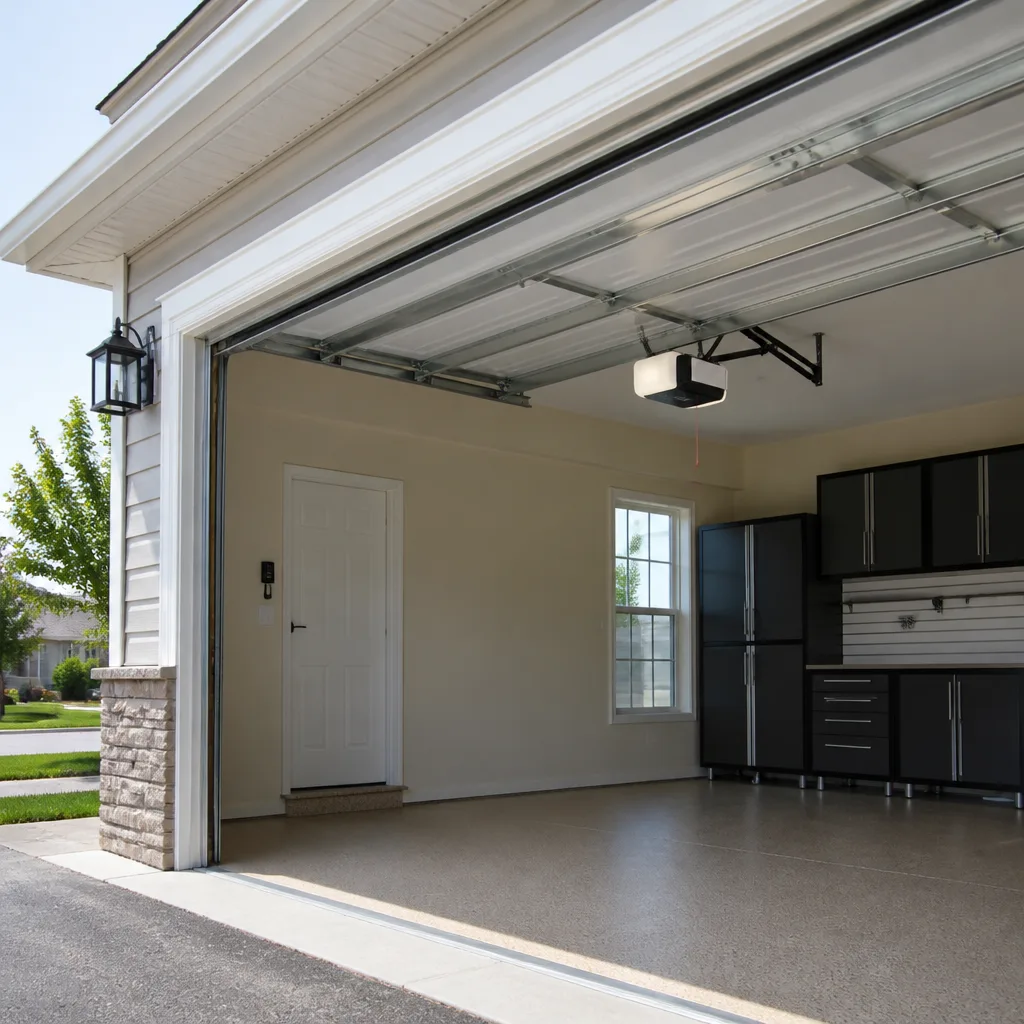 LiftMaster openers
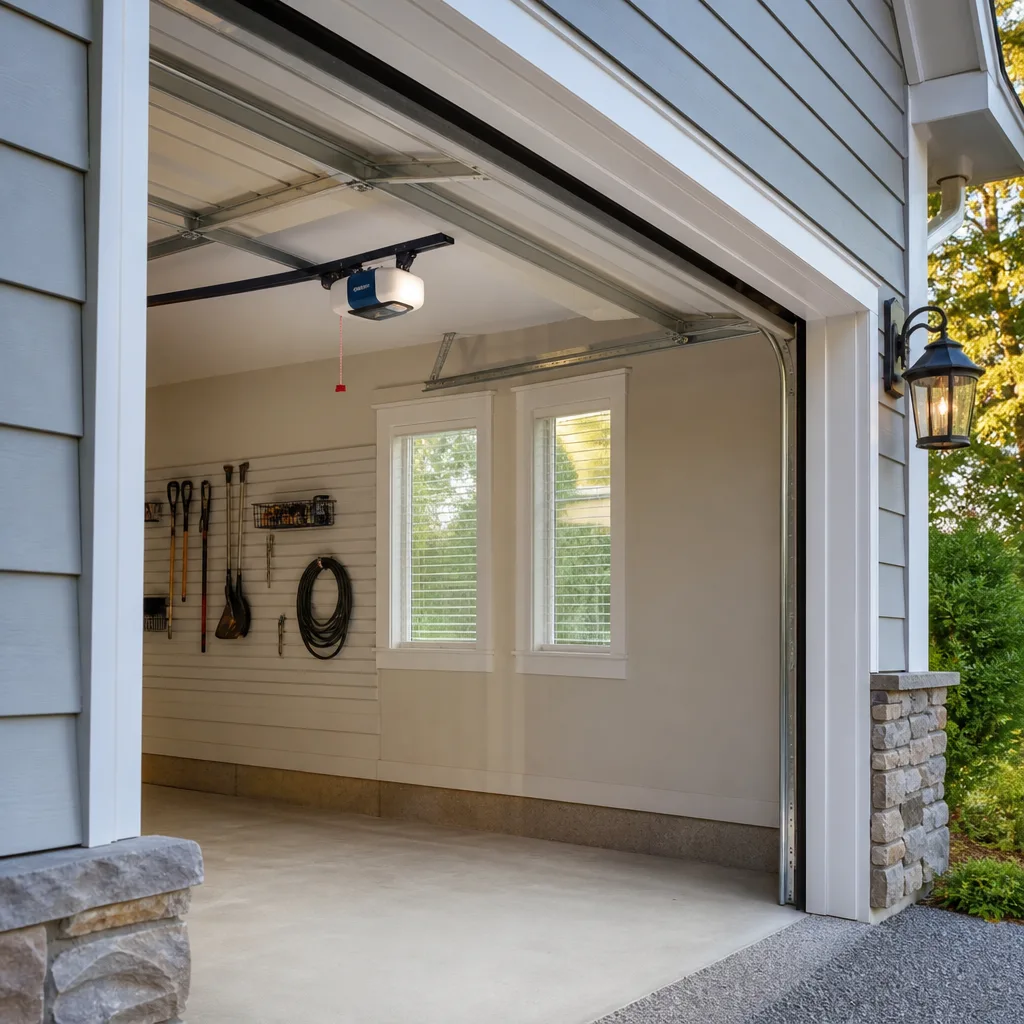 Chamberlain openers
Full 25-point door and opener safety check with every visit - springs, cables, rollers, tracks, and your LiftMaster or Chamberlain opener included
You get a price before we start. It does not change when the truck arrives.
Get your free estimateGenie Opener Logic Board Repair: The San Francisco Owner’s Guide
Genie opener logic board repair in San Francisco typically costs $140 – $380 installed, and in most cases we can complete the replacement the same day we diagnose it. The logic board is the brain inside your Genie opener’s powerhead – the green circuit board that reads signals from your wall button and remotes, tells the motor when to run, and controls the safety sensors. When it fails, the opener usually won’t respond at all, or it responds erratically: the door starts and stops mid-cycle, remotes lose their programming overnight, or the opener runs the motor with no door movement. Most San Francisco homeowners discover the problem when they press the button and nothing happens – no hum, no click, no movement. Then they replace batteries, try new remotes, and still get nothing. That’s the moment it’s time to look at the board itself.
We’re an independent service provider, not affiliated with Genie, but we stock and install Genie-compatible logic boards for nearly every model line made in the last 25 years. Before we touch anything, we send you the technician’s name and photo, and we put the price in writing. You’ll know exactly who’s pulling into your driveway in San Francisco and exactly what the repair will cost before a single screw comes out.
Which Genie Models This Applies To
Genie logic boards aren’t universal, and this is where we see a lot of online parts orders go wrong. A board from a Genie IntelliG 1200 will not drop into a Genie SilentMax 1000, even though both units look nearly identical from the outside. The board has to match the model’s motor type (AC vs DC), its voltage, and its receiver frequency. Most Genie openers use 315 MHz or 390 MHz receivers, and the board is built around that frequency. Buy the wrong one and the remote won’t pair, period.
The model number is on a silver sticker on the back or side of the powerhead – the boxy unit hanging from the ceiling. It’ll say something like “Genie Pro Max,” “SilentMax 750,” “IntelliG 1000,” “PowerMax 1500,” or “ChainDrive 750.” We match the board to that exact series. For Genie specifically, we recommend the OEM board when the model is still in production. For older units – 15 years or more – a quality aftermarket equivalent is often the smarter move because the price can run 30 – 40% less and the specs are identical. We’ll walk you through that decision honestly, and we’ll show you the part before we install it.
One San Francisco-specific reality: humidity and salt air near the Sunset District, Richmond District, and anywhere close to Ocean Beach accelerate corrosion on the board’s solder points. Foggy mornings put moisture inside the powerhead housing. Over time, that moisture causes the connections to oxidize, and eventually the board shorts. We see this more in San Francisco than almost anywhere else we service.
Styles & brands we work with
Signs Your Genie Opener Logic Board Repair Is Failing
- Opener won’t respond to any remote or wall button. The most common failure mode. The board has stopped processing input signals entirely. New batteries and reprogrammed remotes won’t fix it – the board itself is dead. We see this most often after a power surge or a lightning strike.
- Door starts moving, then stops and reverses for no reason. The board is misreading the force settings or the safety sensor circuit. It thinks something is in the way and reverses the door as a protective response. If your sensor lenses are clean and aligned, the board is the likely culprit.
- Remotes lose programming every few days. The board’s memory chip is failing. You program the remote, it works for a day or two, then the opener forgets it and you reprogram it again. That’s not a remote problem – that’s the board’s receiver section dying.
- Opener runs but the door doesn’t move. The motor gets power from the board, but the gear-driven carriage – the piece that pulls the door along the track – isn’t engaging. The board’s relay isn’t sending the right signal at the right time.
- Wall button lights up but opener does nothing. Power is reaching the logic board, but it’s not actuating the motor. This is a board-level failure, not a power supply problem. We verify this with a multimeter in about five minutes.
Replacement Cost & What’s Included
In San Francisco, a Genie opener logic board replacement runs $140 – $380 installed. The part itself usually falls between $90 and $260 depending on the model, and labor is the balance. An IntelliG 1000 board sits at the lower end. A PowerMax 1500 board with a DC motor controller runs at the upper end. We keep the most common boards on the truck, and if yours is a less common series, we can have it in hand within one to two business days.
Here’s the breakdown so there are no surprises:
- Logic board (OEM or aftermarket equivalent): $90 – $260
- Labor, including removal, installation, programming, and testing: $50 – $120
- Written 365-day guarantee on the repair: included at no extra charge
The price is quoted and agreed before any work starts. We hand you a written price, not a verbal ballpark, and that number doesn’t change once we open the powerhead. If the board is harder to reach than expected, we eat the difference. That’s the deal, and we’ve worked that way since 2001 as part of the Threshold Group family of home-service companies. Every repair also carries the 365-Day Done Right Promise: if the board fails within 365 days from the date of repair, we come back and make it right at no charge. That’s in writing, on every job.
See the difference
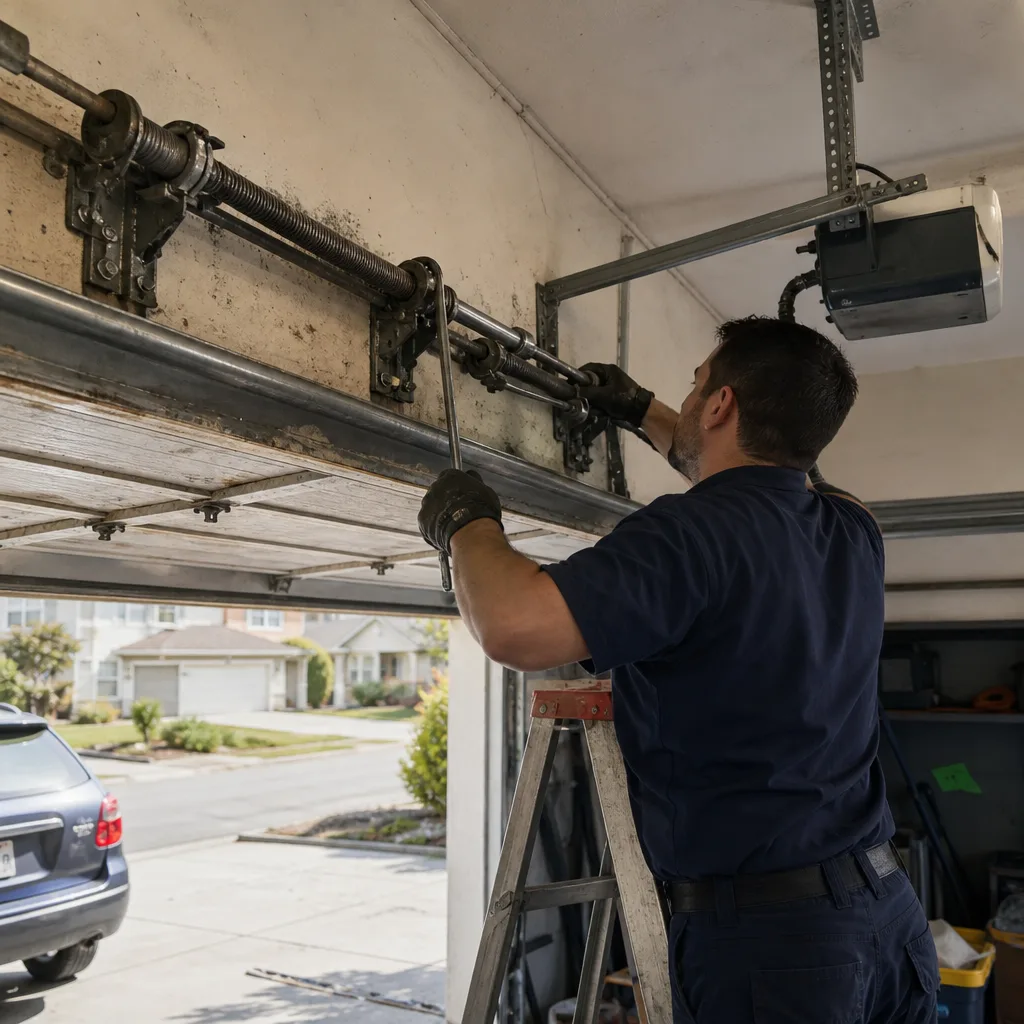 Before
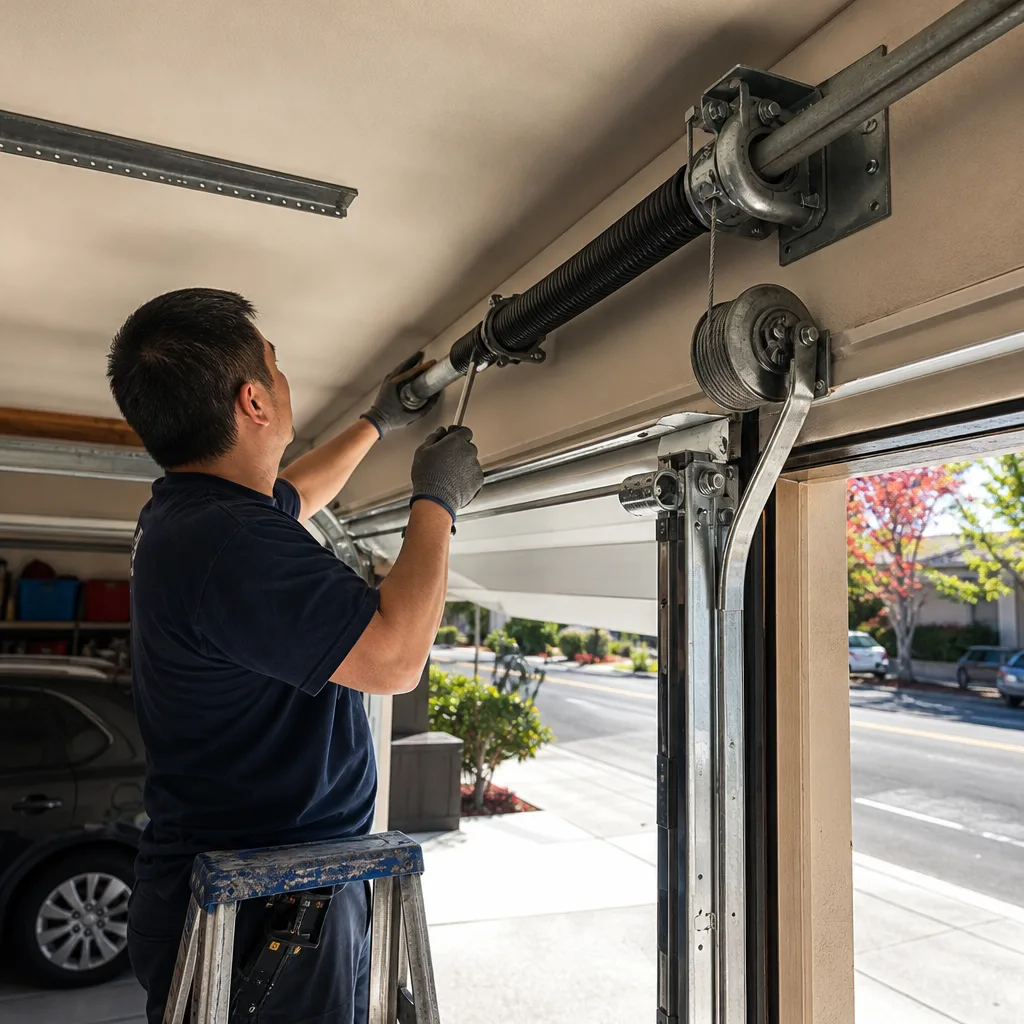 After
After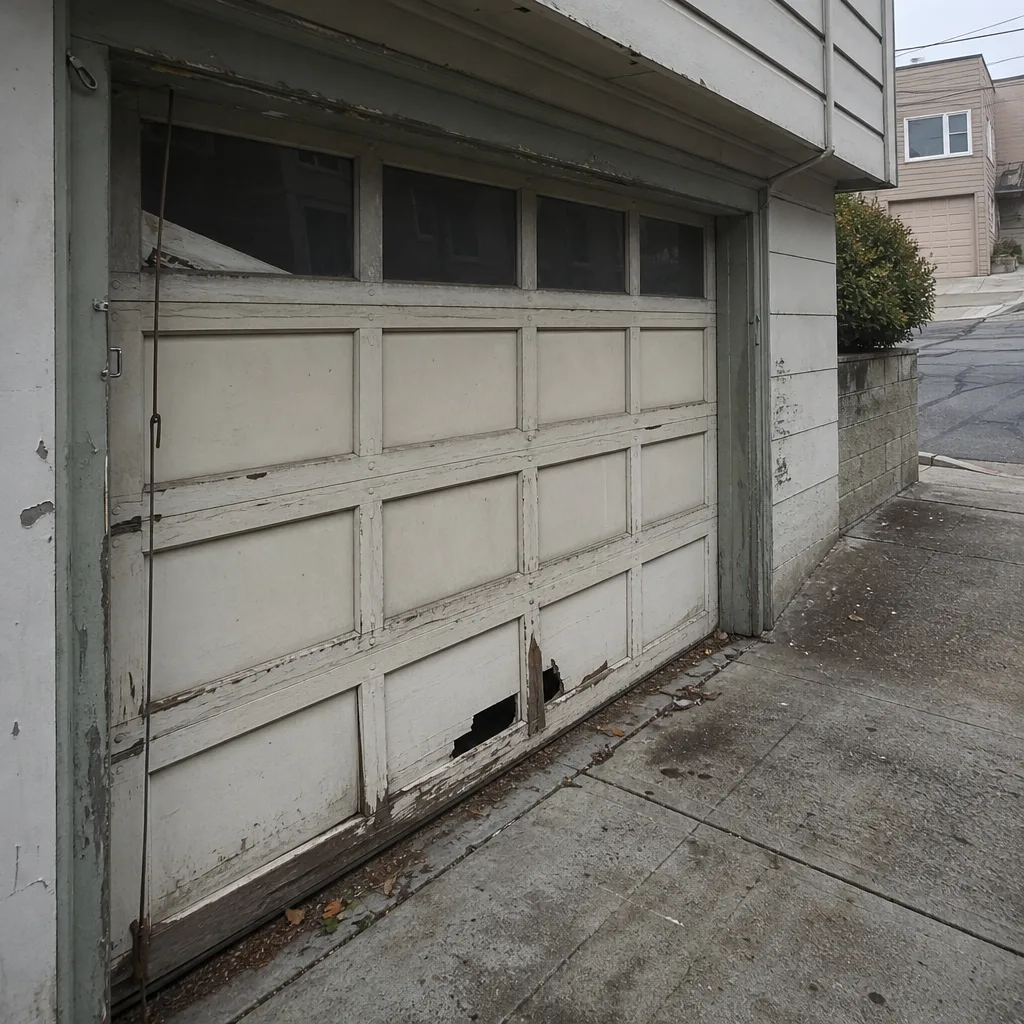 Before
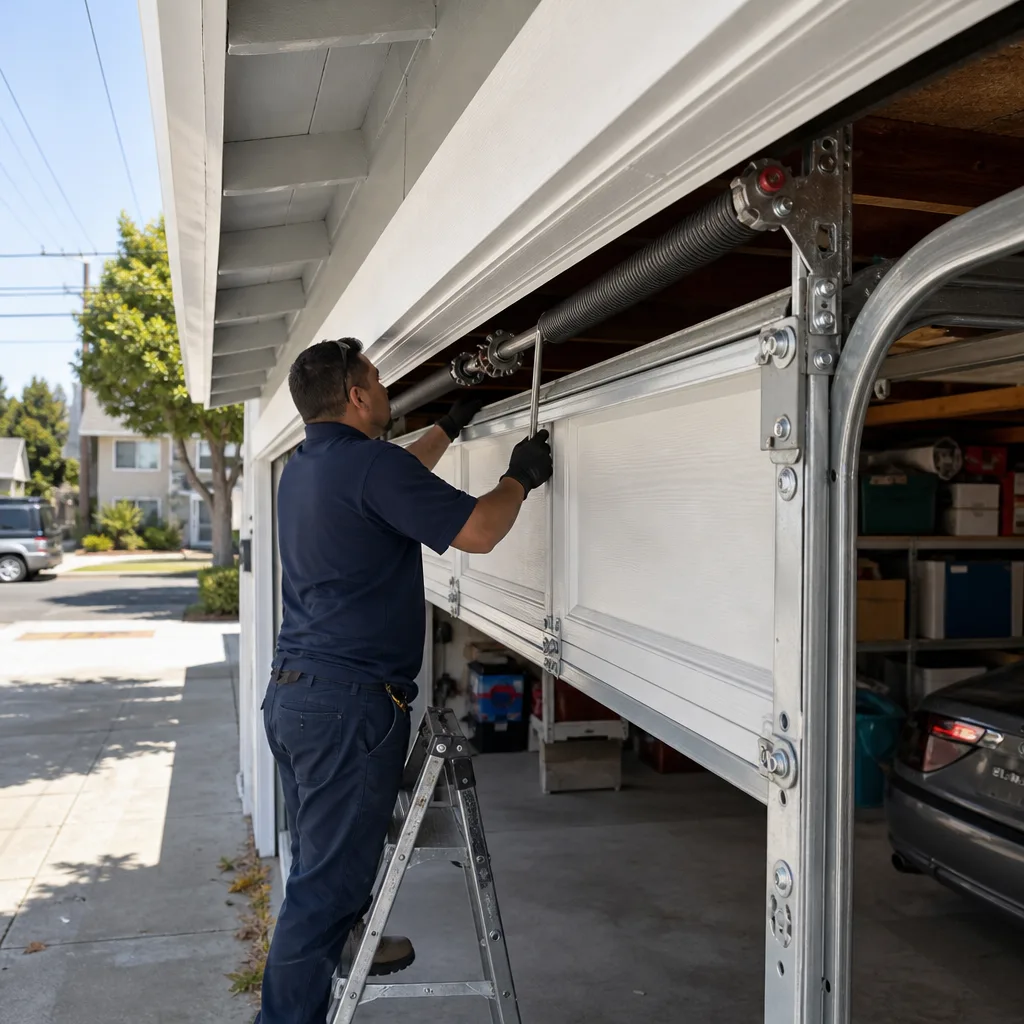 After
After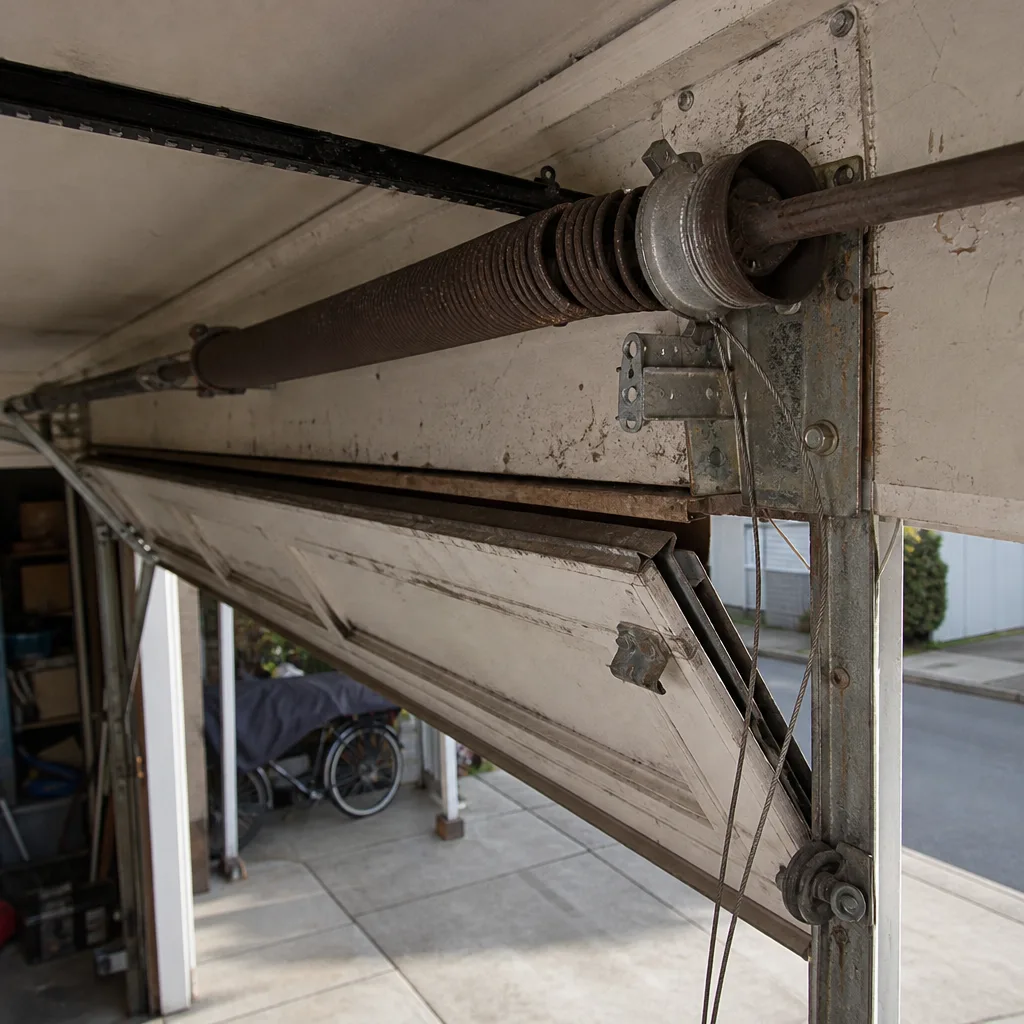 Before
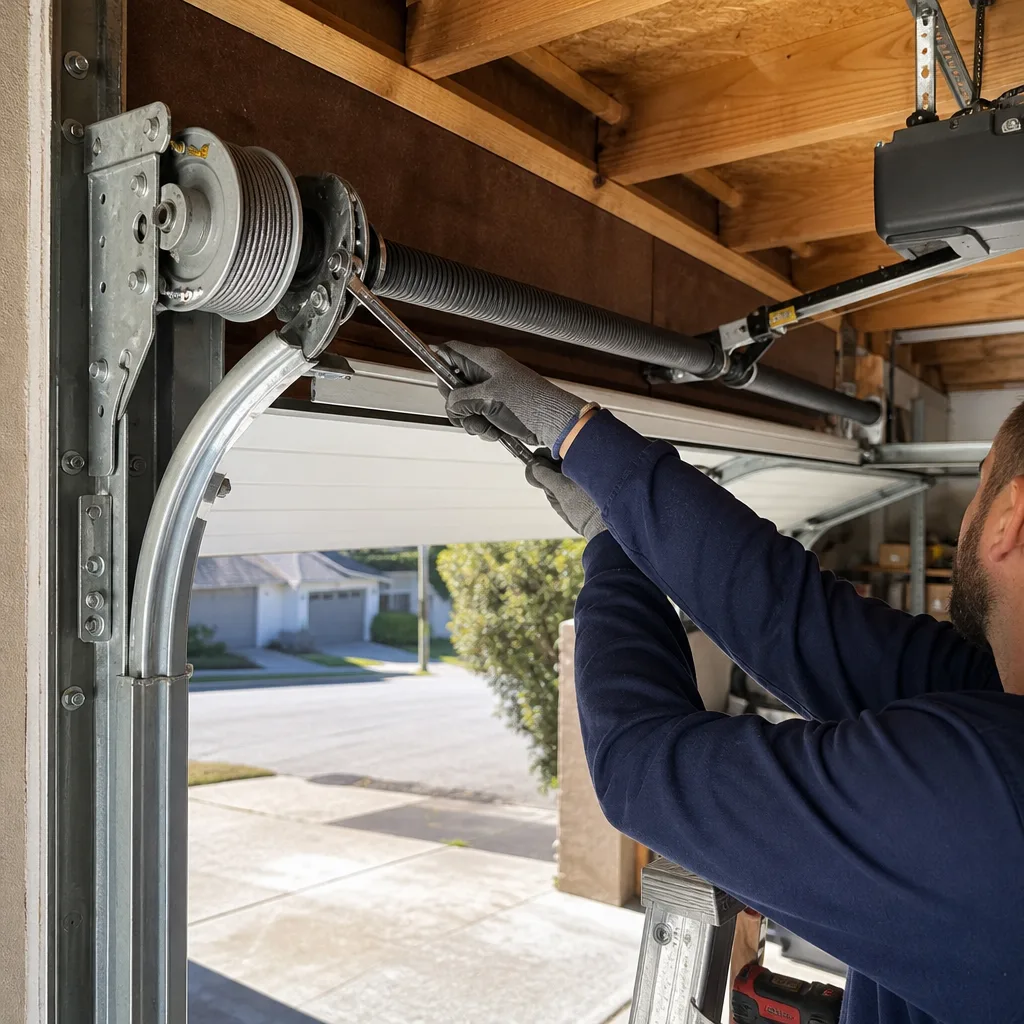 After
AfterDIY or Call Us?
Here’s the honest split. You can safely check a few things yourself: make sure the opener is actually plugged in and the outlet has power, check that the breaker hasn’t tripped, and confirm the safety sensors near the bottom of the door tracks are aligned and their lenses aren’t caked with fog grime. In San Francisco, those lenses pick up a lot of moisture and dust, and a cleaning sometimes brings an opener back to life.
But repairing or replacing the logic board itself is a different matter. The powerhead contains a capacitor that holds a charge even after the unit is unplugged – enough to give you a serious jolt if you touch the wrong terminal. You’re also working at ladder height with a motor unit that weighs 15 – 25 pounds, and the board mounts behind a cover with live wiring in close quarters. We don’t recommend that for a homeowner, and we say that for your safety, not to sell the job. Aaron Teague, who’s been working on openers for over two decades, puts it this way: “Tell me what it’s doing – or not doing – and I’ll tell you exactly what it needs.” Call us first at (650) 550-9734 before you open the housing. A diagnosis costs far less than a trip to urgent care.
FAQs
In San Francisco’s climate, a Genie logic board typically lasts 8 to 15 years, with boards near the coast – Sunset, Richmond, Parkside, Ingleside – trending toward the shorter end because of moisture and salt air exposure. Power surges from occasional storm activity can shorten that further. If your opener is over 12 years old and the board has failed, we’ll tell you straight whether a replacement board makes sense or whether a new opener installation is the smarter long-term money. Call (650) 550-9734 and we’ll help you sort it out over the phone.
In most cases, no. Circuit-board repair requires component-level soldering work under magnification, and even then, the repair rarely holds up long-term. When we see blown capacitors or burned traces on a Genie board, replacement is the only repair we’ll stand behind for 365 days. Soldering a single component back onto a board that’s already failing elsewhere usually costs nearly as much as the replacement board anyway. We’ll explain what we found, what it costs to fix, and what we’d do if it were our own door at (650) 550-9734.
Most Genie logic board replacements take 45 – 90 minutes from start to finish. That includes removing the powerhead cover, disconnecting the old board, installing the new one, reprogramming your existing remotes and keypad, and running a full test cycle on the door. If you already have a keypad and multiple remotes, add a few minutes for programming each. We carry common boards on the truck, so same-day completion is typical. Call (650) 550-9734 and we’ll give you an arrival window that works with your day.
We stock the most common Genie boards for IntelliG, SilentMax, PowerMax, and Pro Max series openers, along with parts for LiftMaster and Chamberlain openers. If your model uses a less common board, we source it and have it in hand within one to two business days, and we’ll give you a firm arrival date before you commit to anything. The price is always written down and agreed before work begins, and the board carries the same 365-day written guarantee as every other repair we do. Call (650) 550-9734 for a free estimate on your specific Genie model.
Call Doyle Garage Doors San Francisco
If your Genie opener’s logic board has failed, call us at (650) 550-9734. A real person answers 24/7 – day, night, weekends, holidays – not a voicemail tree or a callback form. We’ll talk through what your opener is doing or not doing, give you a ballpark over the phone, and send a background-checked, uniformed technician with a name and photo you’ll receive before we arrive. Every repair includes a written price before work starts and a written 365-day guarantee. No surprises, no upsell pressure, and no stranger at your door you weren’t expecting.
Written by Aaron Teague, Owner, Doyle Garage Doors San Francisco at Doyle Garage Doors San Francisco, serving San Francisco and nearby areas.