
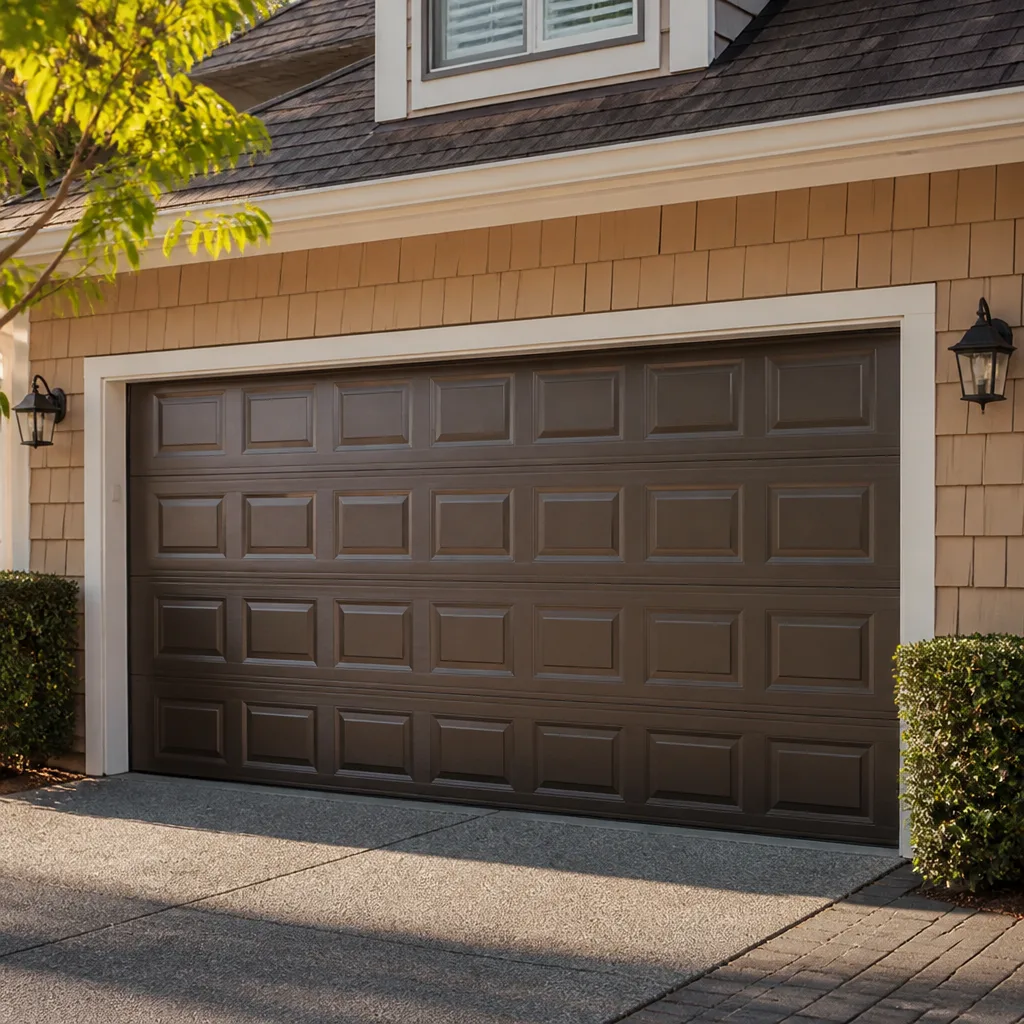
 Raised-panel steel
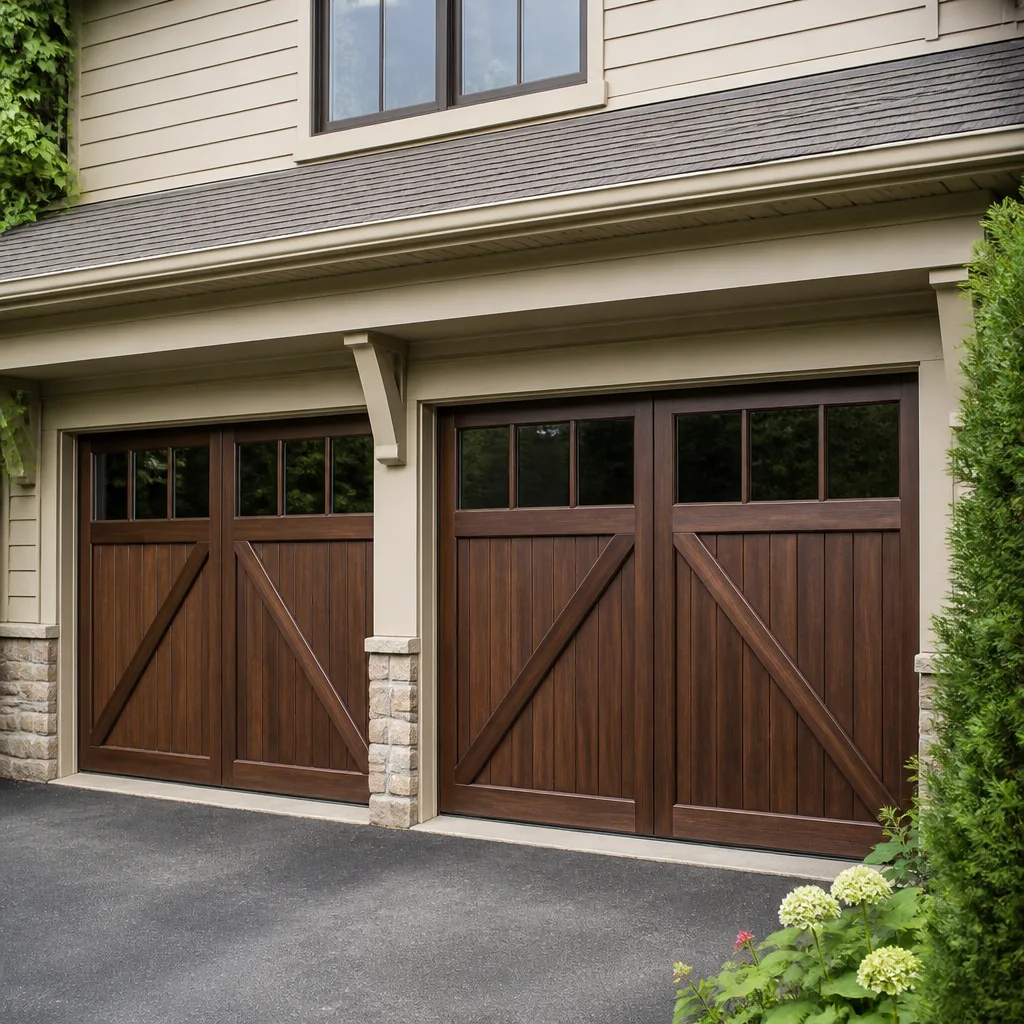 Carriage house
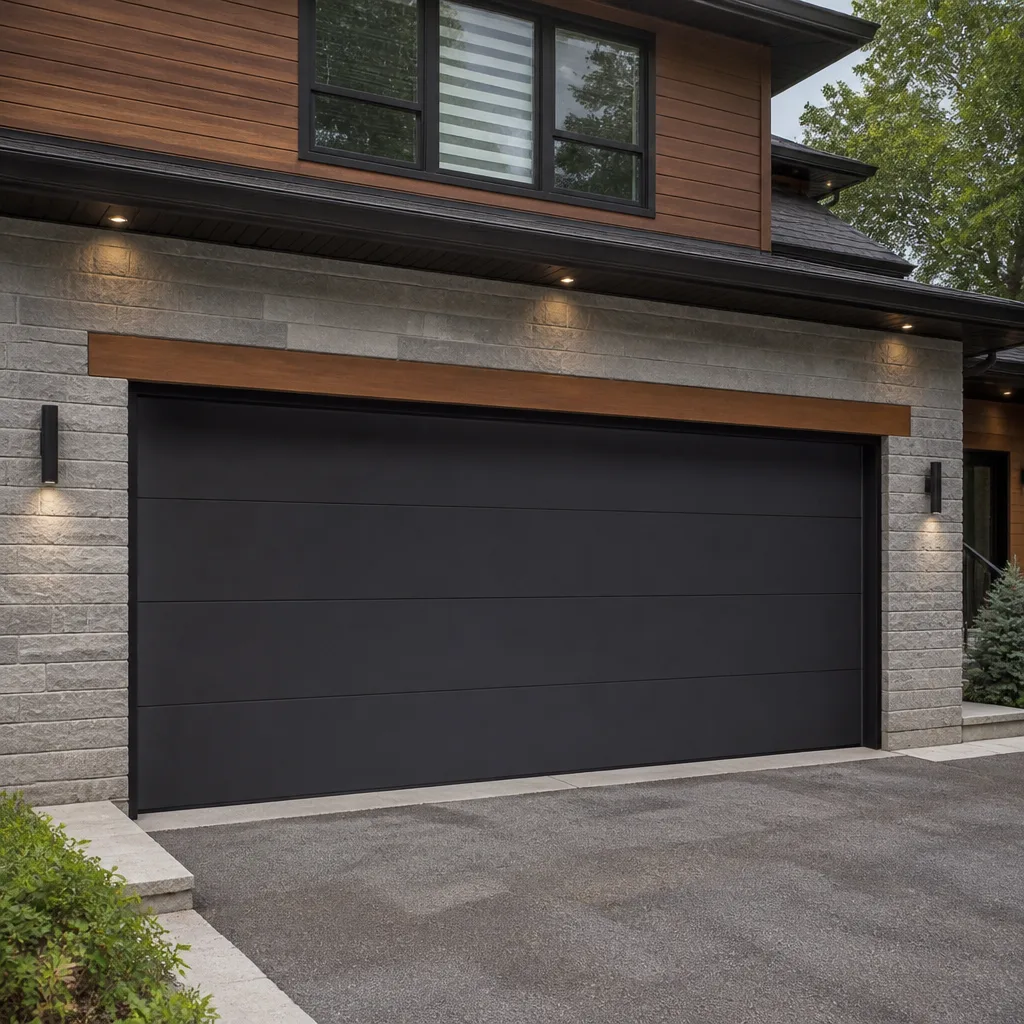 Modern flush
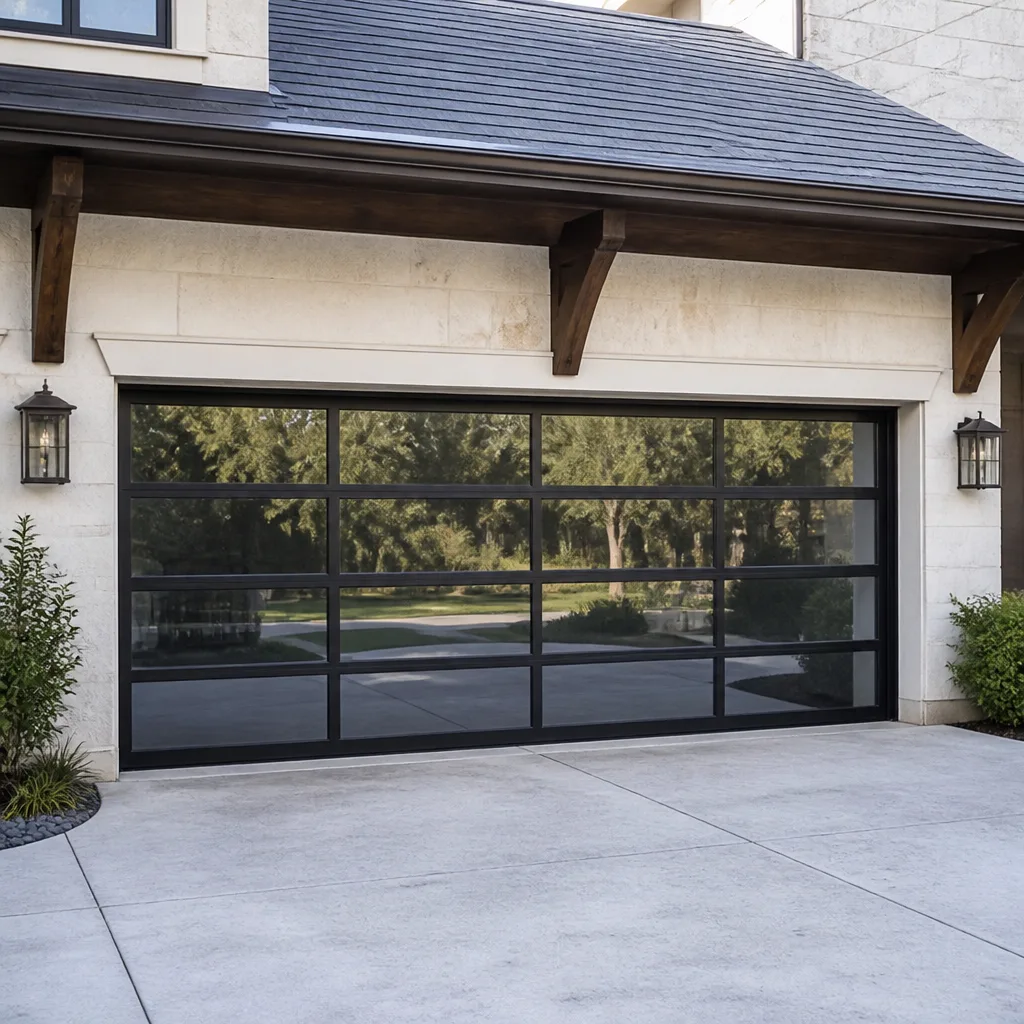 Full-view glass
 LiftMaster openers
 Chamberlain openers
Full 25-point door and opener safety check with every visit - springs, cables, rollers, tracks, and your LiftMaster or Chamberlain opener included
You get a price before we start. It does not change when the truck arrives.
Get your free estimateGenie Weather Seal Replacement: The San Francisco Owner’s Guide
Genie weather seal replacement in San Francisco typically costs $130 – $260 installed, depending on your door width and whether the retainer channel needs replacing along with the rubber. We stock Genie-compatible seals for 8-foot, 9-foot, and 16-foot doors on our trucks, and most replacements are done in under an hour once we’re on site. You usually discover this part has failed when you see daylight under the door, feel a draft in the garage, or find water pooled along the floor after one of our fog-heavy nights in the Sunset or Richmond.
The weather seal is that rubber strip along the bottom edge of your Genie door. It’s the first line of defense against San Francisco’s damp air, salt drift near Ocean Beach, and the fine grit that blows up from the streets. When it’s cracked, flattened, or torn, the garage becomes a different room overnight: colder, damper, and more inviting to everything from leaves to rodents.
Which Genie Models This Applies To
If you have a Genie residential garage door, you’re almost certainly dealing with a T-style or bulb-style bottom seal, depending on your door’s retainer channel. Genie doors manufactured after roughly 2005 use a T-channel retainer, where the seal slides into a grooved aluminum track on the door’s bottom edge. Older Genie models, and some of the builder-grade doors from the 1990s, use a bulb-style seal that presses into a round channel. The two are not interchangeable, and buying the wrong one is the most common mistake we see from well-intentioned DIY attempts in Pacific Heights and Noe Valley.
Here’s the practical way to identify what you need: look at the bottom of your door. If you see a metal channel with the rubber sliding out the ends, it’s a T-style. If the rubber tucks up into the door itself, it’s likely a bulb-style. You can also check the door’s serial plate, usually located on the inside near the bottom or on the track bracket. Genie doors with the “Intellicode” branding or any door sold as part of a Genie opener-and-door package from chain stores in the last 15 years will almost certainly take the T-style seal.
On the OEM versus aftermarket question: Genie’s own branded replacement seal is good rubber, but so are several aftermarket options we carry, including universal T-style seals in 3-inch and 4-inch widths. The difference maker in San Francisco isn’t the brand name on the package; it’s the durometer of the rubber itself. We specify a softer compound for coastal neighborhoods because it stays flexible in the cold and seals uneven concrete better than stiffer universal products. Ask us which one we’re installing on your door and why.
Styles & brands we work with
Signs Your Genie Weather Seal Replacement Is Failing
- Visible daylight under the door when it’s closed. Walk inside, close the door, and look along the bottom edge. If you can see light, the seal is compressed beyond recovery or has torn. This also means you’re losing heat on the foggy nights San Francisco is known for.
- Water pooling near the door after rain. San Francisco’s storms come sideways off the Pacific. A deteriorated seal lets that wind-driven rain push right under the edge. If you’re in the Outer Sunset or Sea Cliff, this is often the first symptom you’ll notice.
- Draft you can feel at ankle level. Stand inside the closed garage on a cool evening. A cold current along the floor means the seal isn’t making full contact with the concrete. Driveways settle over time, and older seals can’t compensate for the new gap.
- Visible cracking, flattening, or chunks of rubber on the floor. UV exposure and salt air accelerate rubber breakdown. Aaron Teague tells every customer the same thing: “Tell me what it’s doing – or not doing – and I’ll tell you exactly what it needs.” Cracks are the part telling you it’s done.
- Leaves, dirt, or pests getting inside. A small gap is a highway for spiders, mice, and every oak leaf in the neighborhood. If you’re sweeping out debris that wasn’t there before, the bottom seal is the first suspect.
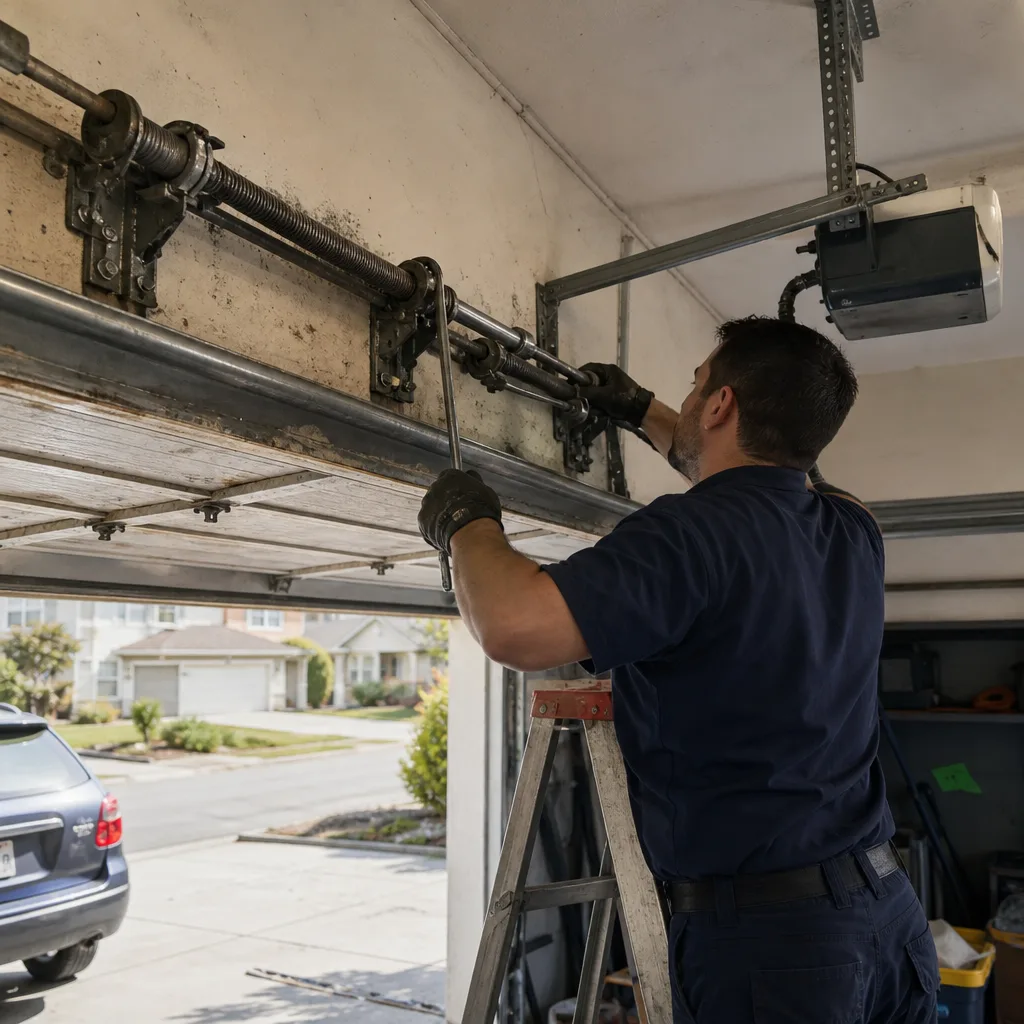
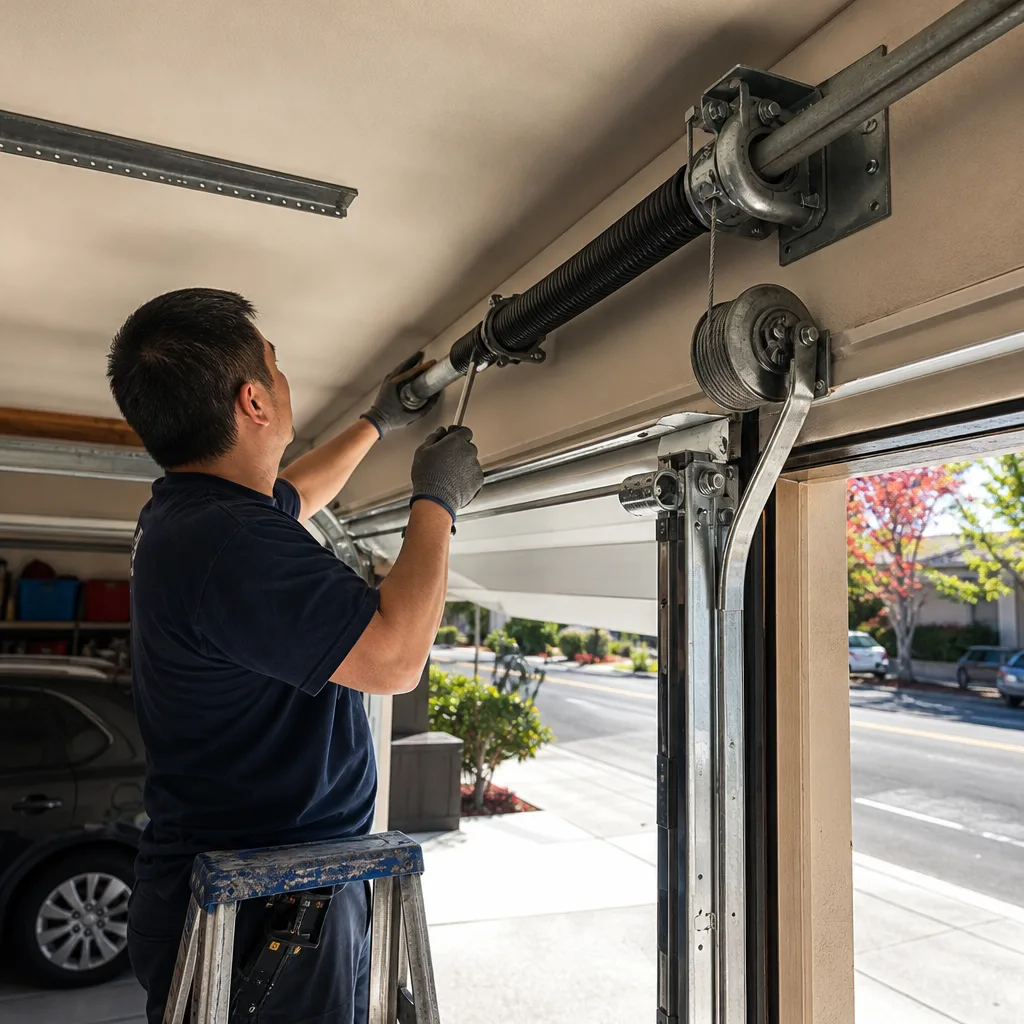
See the difference
 Before
 After
After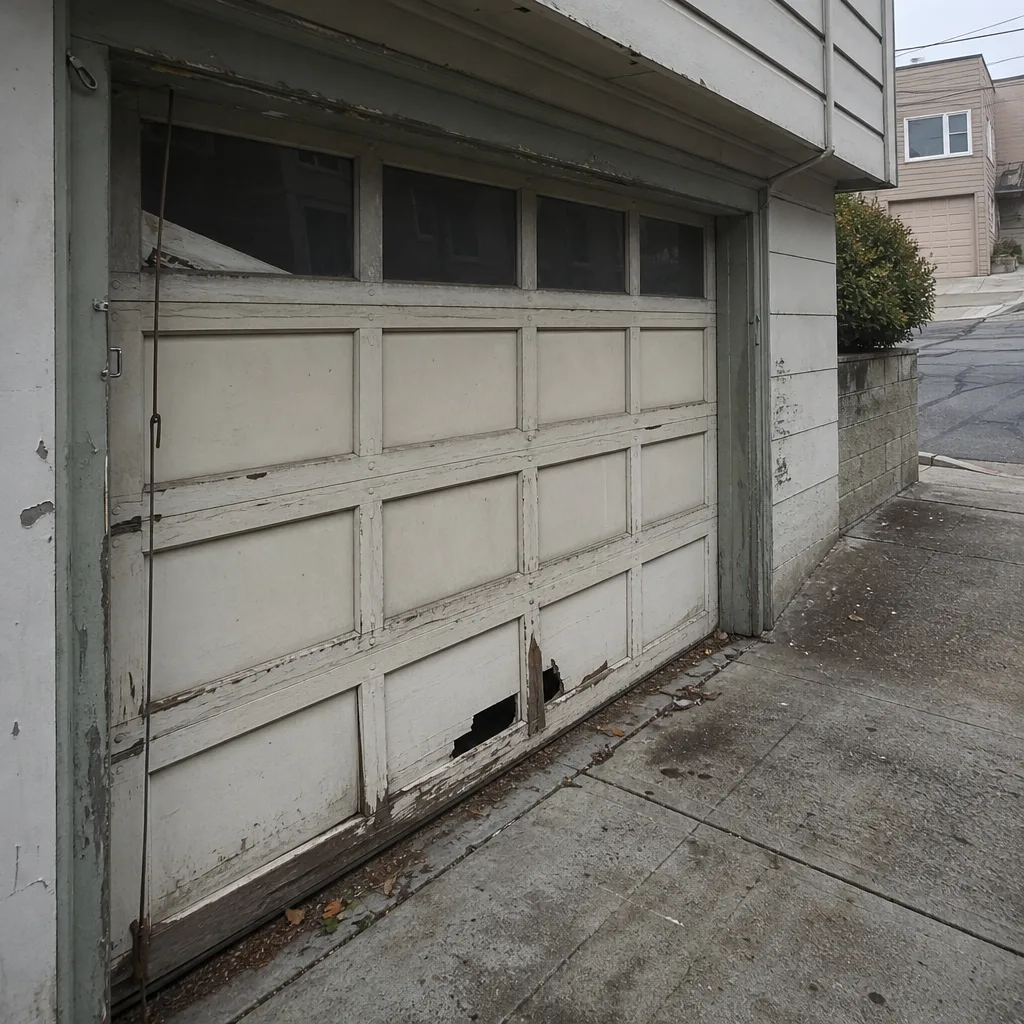 Before
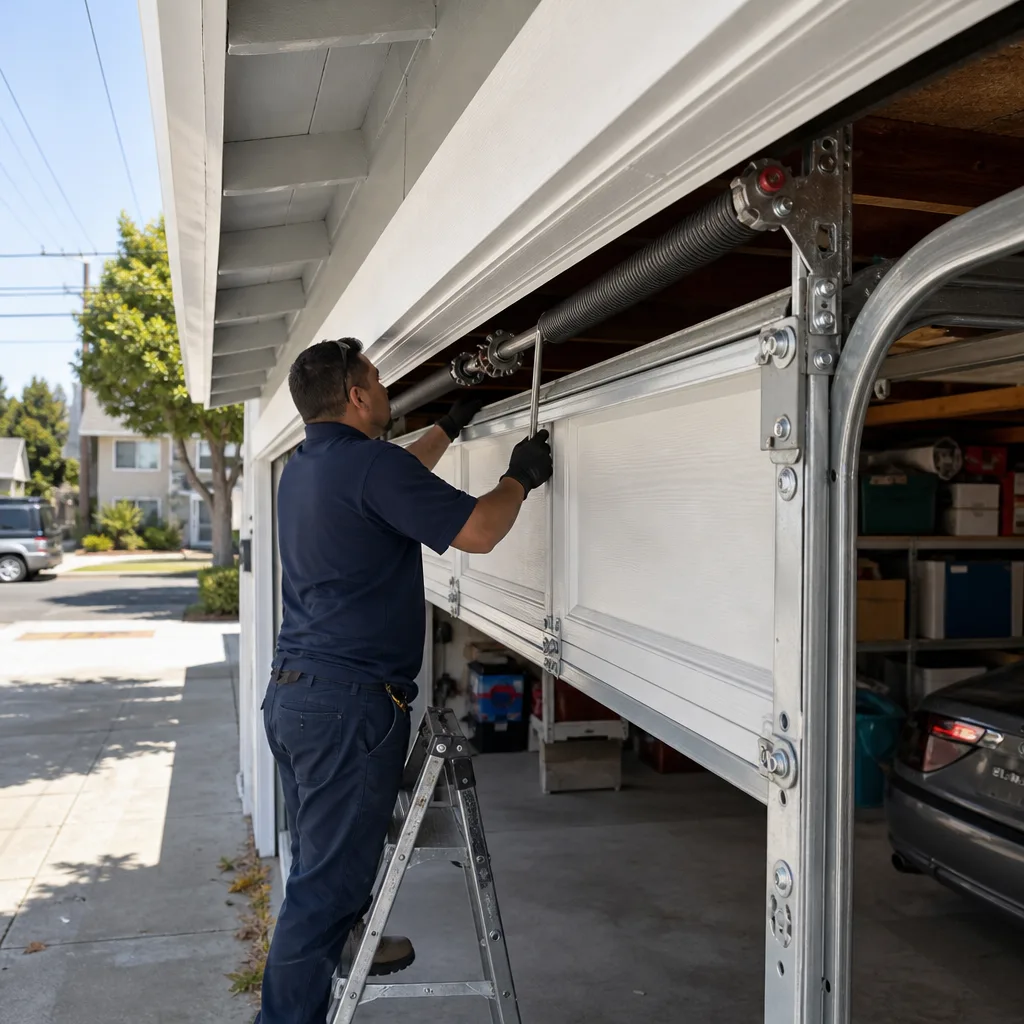 After
After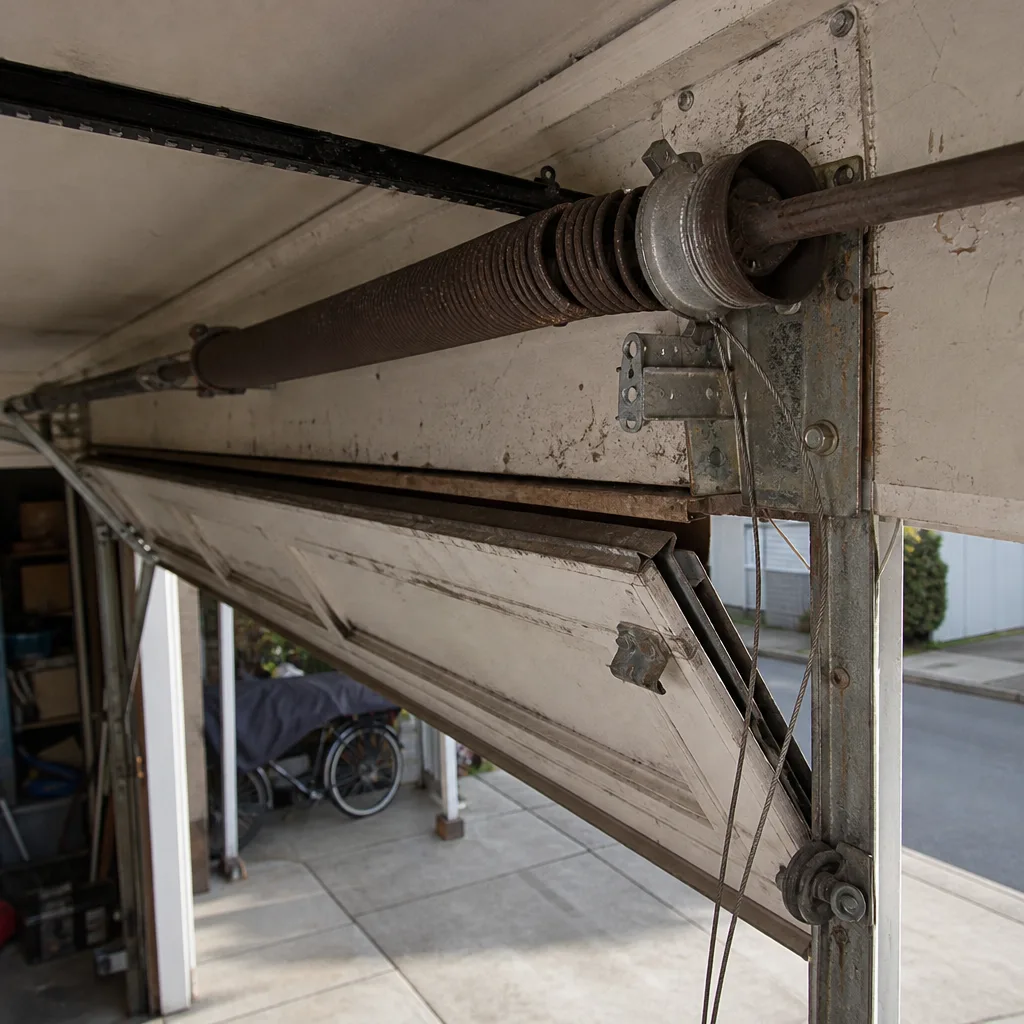 Before
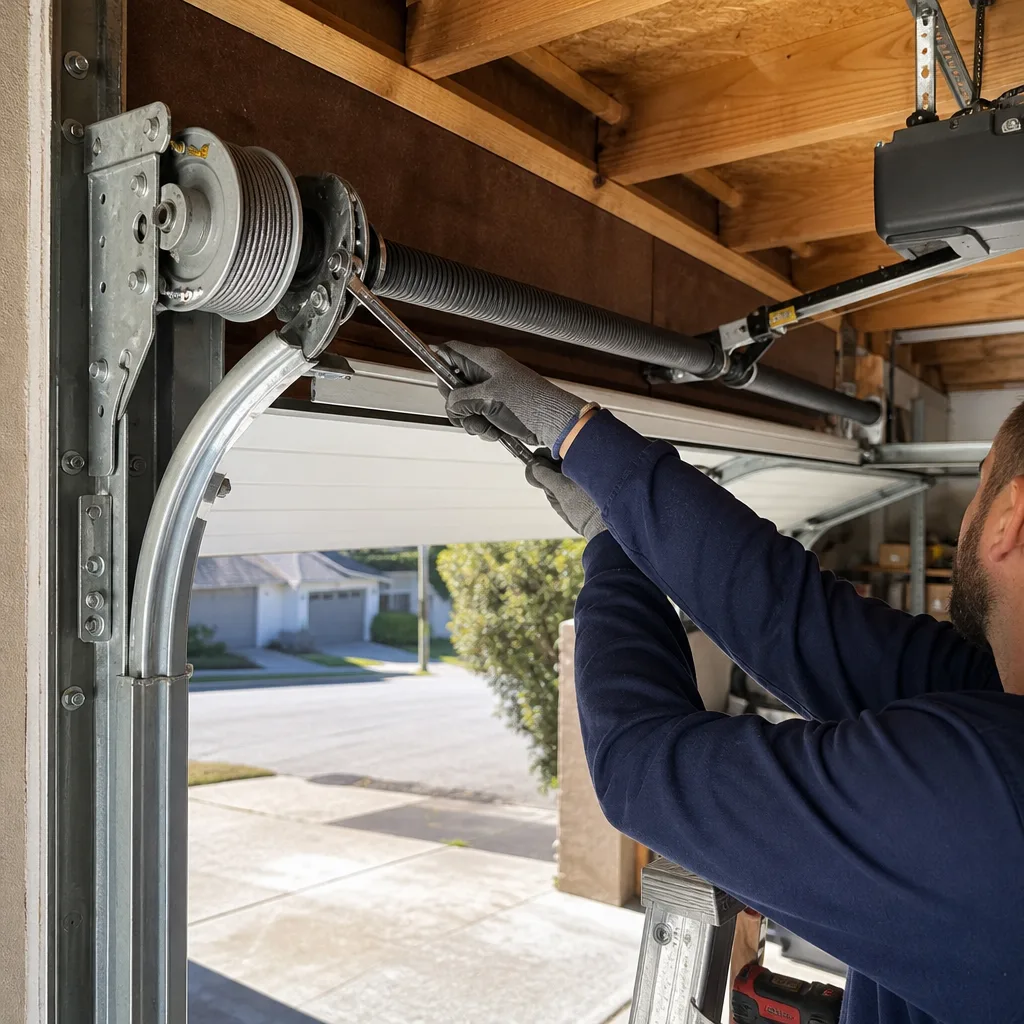 After
AfterReplacement Cost & What’s Included
In San Francisco, expect to pay between $130 and $260 for a complete Genie weather seal replacement, including the new rubber and labor. The range comes down to a few factors: door width (16-foot doors need more material than 8-foot doors), whether the aluminum retainer channel has corroded and needs replacing too, and whether we’re doing a straightforward swap or adjusting the door’s bottom brackets to get a proper seal on settled concrete.
You’ll get a written price before we touch a single bolt. That price includes removing the old seal, installing the new one, adjusting the door to sit level if needed, and hauling away the old rubber. Every weather seal replacement from Doyle Garage Doors San Francisco carries our 365-Day Done Right Promise: if it’s not right within 365 days from the date of repair, we come back and make it right at no charge. No fine print, no prorating, no argument.
DIY or Call Us?
Replacing a weather seal is one of the few garage door jobs a homeowner can genuinely do, but the process has a few traps. The old seal often snags in the retainer because it’s swollen with moisture. The new seal needs to be the right width and durometer for your specific channel. And if the door isn’t balanced correctly after the swap, the new seal gets crushed in a matter of weeks. Those are the exact mistakes we fix for people who tried it themselves.
Where we’d caution you more strongly is on any repair involving the torsion spring, the high-tension coil above the door that does the heavy lifting. That is not a DIY repair under any circumstances. If your door is hard to lift, slams down, or sounds like it’s fighting you, leave the door alone and call us at (650) 550-9734. A seal replacement is a safe, quick job for our techs to handle while we’re checking the rest of the door.
In coastal zip codes from the Presidio down to Daly City, salt air shortens weather seal lifespan to roughly 3 – 5 years instead of the 5 – 8 years you’d get inland. If you’re on your third foggy summer with the same seal, it’s probably time. Call (650) 550-9734 and we’ll give you a straight answer on what your door actually needs.
FAQs
A Genie weather seal typically lasts 3 – 5 years in San Francisco’s coastal climate, compared to 5 – 8 years inland. Salt air, fog, and UV exposure accelerate the breakdown of the rubber. If your garage faces the ocean, err toward the shorter end of that range. Call (650) 550-9734 for a free estimate on replacement.
No, weather seals can’t be glued or patched reliably. The rubber loses its flexibility and compression set over time, and repairs simply fail again within months. Replacement is the only fix that actually keeps water and drafts out. We quote the full cost upfront before any work starts.
A standard Genie weather seal replacement takes 45 – 75 minutes for most doors. Wider doors or corroded retainer channels add time. We’ll give you the time estimate before we begin, and we don’t leave until the door opens and closes cleanly over the new seal. Call (650) 550-9734 to schedule.
Yes, we carry Genie-compatible weather seals for the most common widths and both T-style and bulb-style retainers on our trucks. The tech who arrives at your door has the part with them, along with names and photos sent before the visit. We also stock parts for LiftMaster and Chamberlain doors.
Written by Aaron Teague, Owner, Doyle Garage Doors San Francisco at Doyle Garage Doors San Francisco, serving San Francisco and nearby areas.