
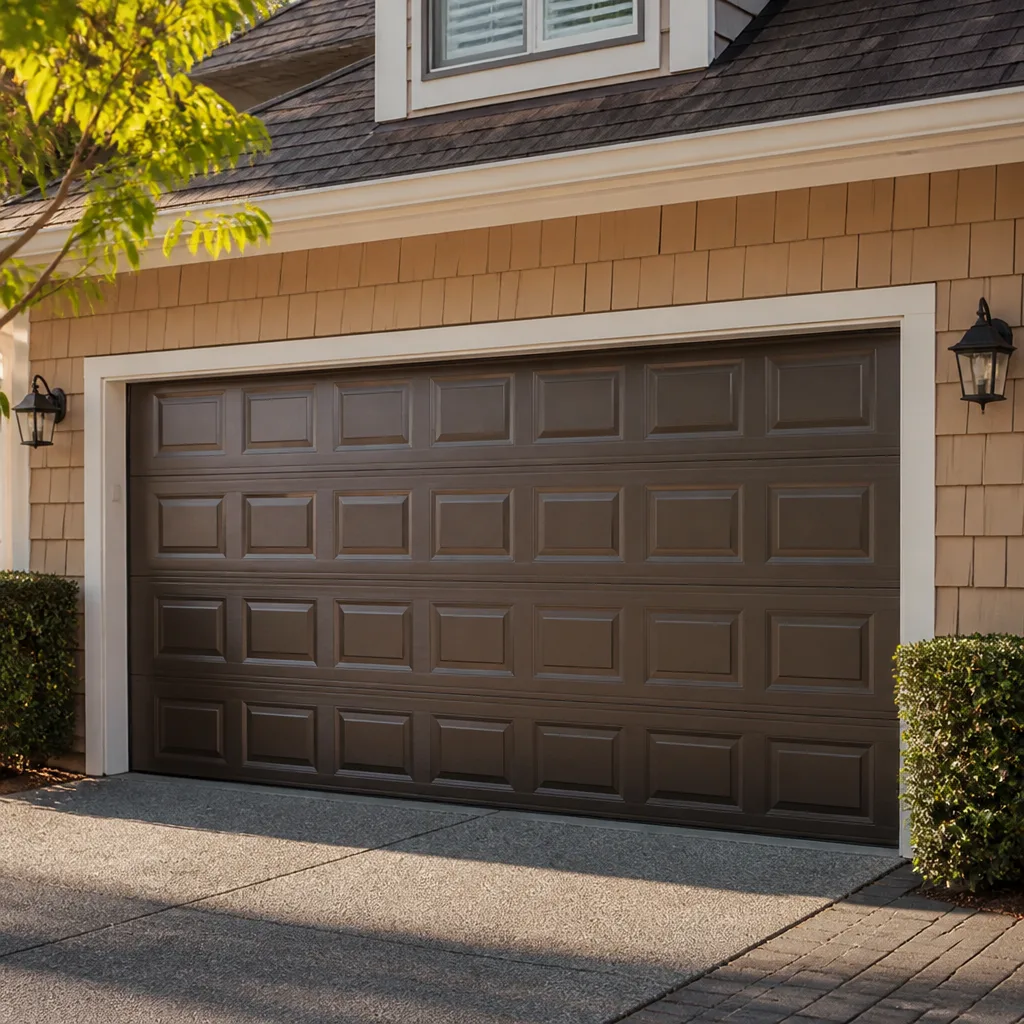
 Raised-panel steel
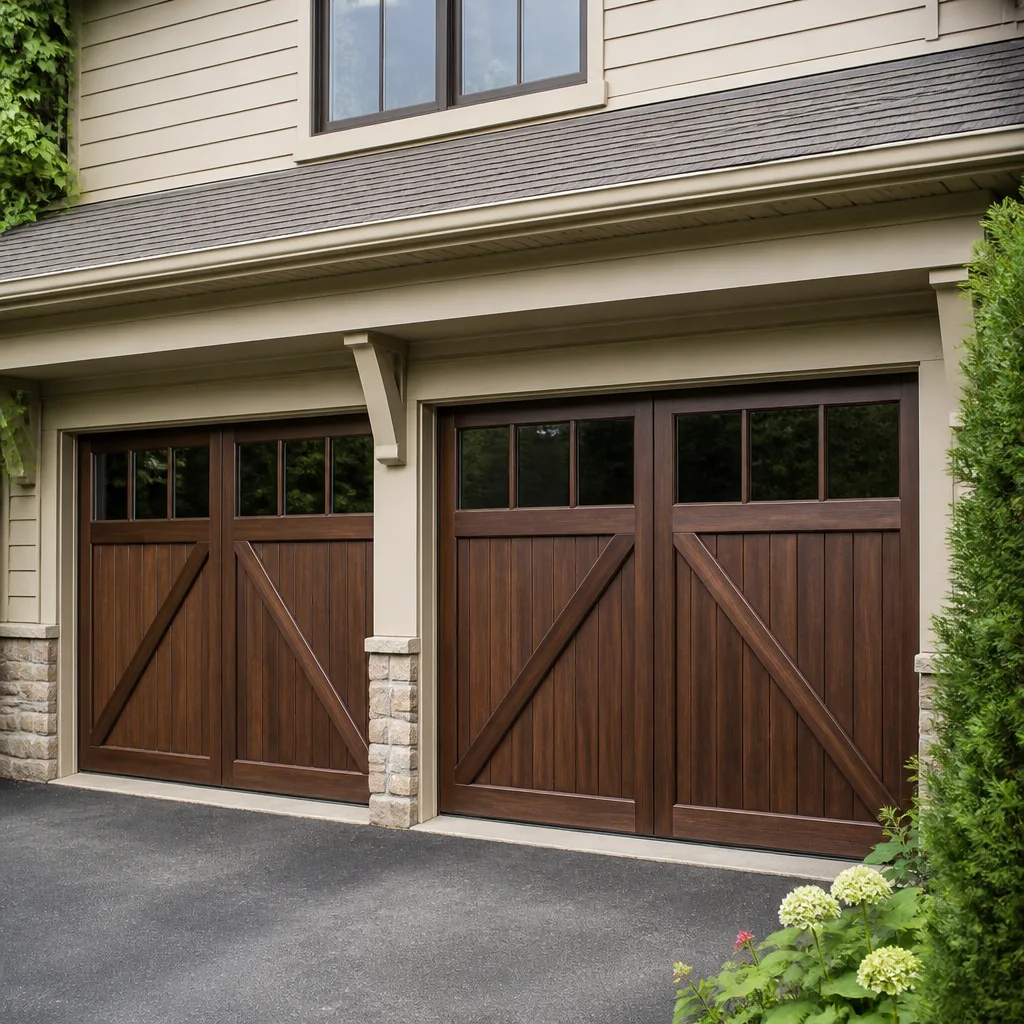 Carriage house
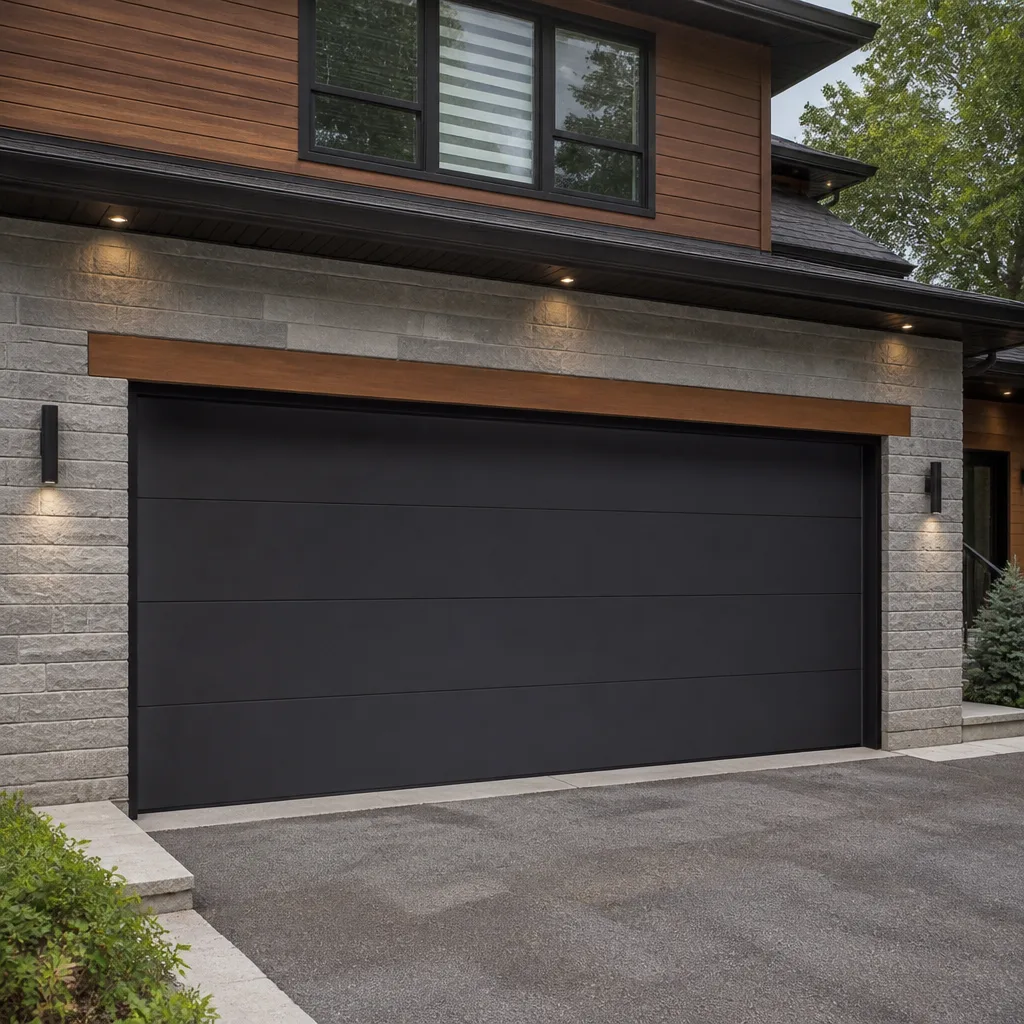 Modern flush
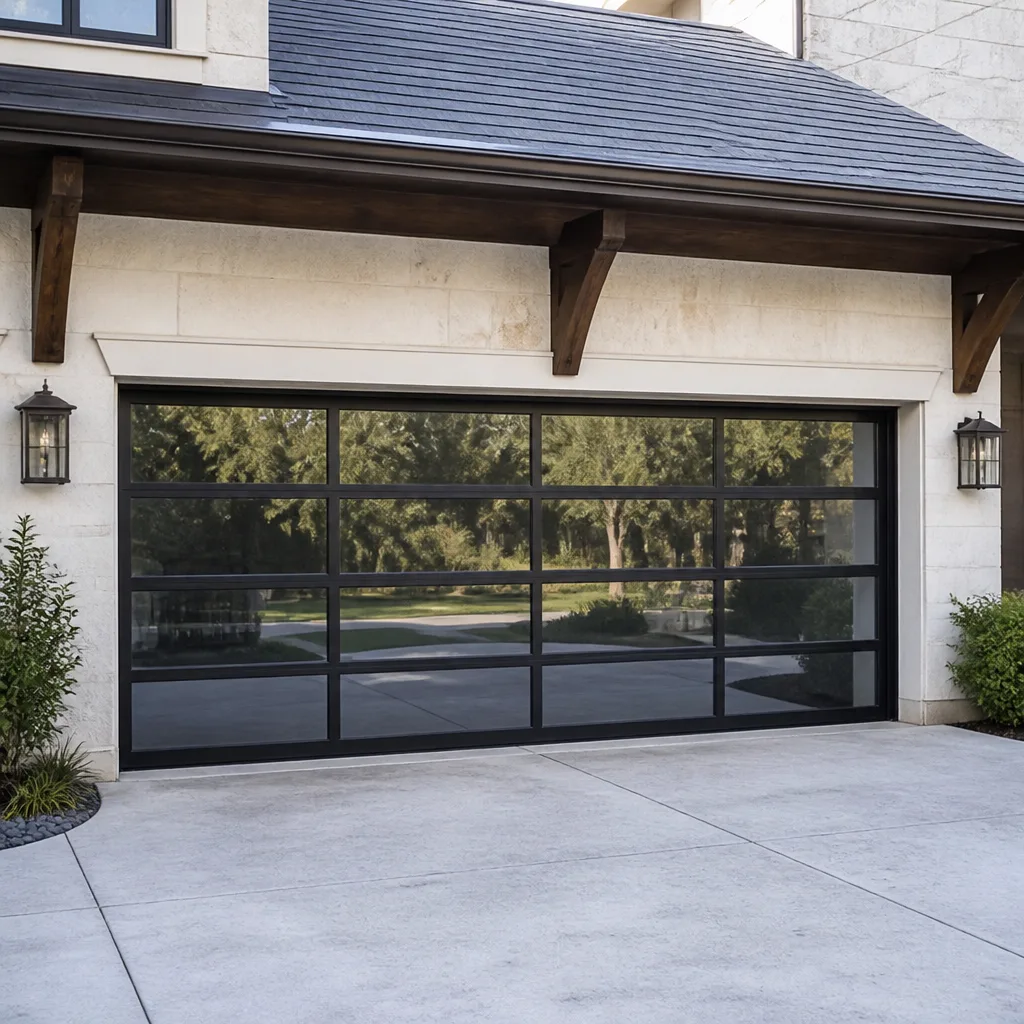 Full-view glass
 LiftMaster openers
 Chamberlain openers
Full 25-point door and opener safety check with every visit - springs, cables, rollers, tracks, and your LiftMaster or Chamberlain opener included
You get a price before we start. It does not change when the truck arrives.
Get your free estimateAmarr Cable & Drum Replacement: The San Francisco Owner’s Guide
Amarr cable and drum replacement in San Francisco typically costs $155 – $295 installed, and we stock the parts on our trucks for same-day repair in most neighborhoods. The cable is the braided steel line that runs up each side of the door, and the drum is the grooved spool at the top that winds and unwinds that cable as the door moves. When either fails, the door stops going up straight or stops going up at all.
Most homeowners discover the problem the same way: a loud snap, then the door freezes at an angle about a third of the way open. Sometimes the door keeps moving but grinds, and one side visibly drops lower than the other. If you look up at the top corners, you’ll usually spot a frayed cable or a drum with the cable badly spooled. That’s the part we’re replacing today.
We’re an independent San Francisco garage door company, not an Amarr dealer. That matters because we stock Amarr-compatible parts from multiple suppliers and choose what’s actually durable in San Francisco’s fog, salt air, and damp garages rather than whatever one brand happens to have in a catalog this quarter.
Which Amarr Models This Applies To
Amarr builds several distinct lines, and the cable and drum setup differs between them. The three we see most often in San Francisco are:
- Lincoln and Classica series: residential steel doors with standard torsion systems. These use a 3-inch or 3.5-inch drum, and the cable length is set by door height, typically 7 or 8 feet in most SF garages. If your door is 8 feet tall, the drums and cables are not interchangeable with a 7-foot door, even if they look similar at a glance.
- Stratford and Oak Summit carriage-house doors: heavier doors, often wood-look steel or insulated steel. The added weight means Amarr specs a different drum profile on some models to keep spring tension correct. Using a generic drum on these can make the door run rough.
- Heritage and designer lines: custom-weight doors. These require matching the drum to the door’s actual panel weight, not just the series name. We measure and verify before pulling a replacement.
The most reliable identification is the model sticker on the inside of the door panel or on the jamb, but older San Francisco homes often have painted-over or missing stickers. In that case we match by drum diameter, cable length, and spring wire size. Here’s the gotcha most people miss: Amarr cables are cut to exact length for the drum circumference. A cable that is off by even half an inch changes the winding geometry and can shred the new cable within weeks. We always match the drum first, then cut the cable to that drum.
On OEM versus aftermarket: Amarr-branded cables and drums are solid, but so are several aftermarket equivalents we stock. The difference usually comes down to cable coating. In the Sunset District and Richmond, where salt fog creeps into garages year-round, we lean toward galvanized or stainless-core cables rather than bare steel, because rust at the drum edge is the number one cause of cable snap in those neighborhoods. We keep both OEM and quality aftermarket options on the truck and tell you the difference before anything goes on the door.
Styles & brands we work with
Signs Your Amarr Cable & Drum Replacement Is Failing
- The door opens crooked or one side drags. A frayed cable lengthens slightly under load, so one side climbs slower than the other. You’ll see a visible gap between the door and the frame on the affected side.
- You hear a scraping or metallic squeal near the top corners. The cable is grinding against the drum flange. Left alone, it will start shaving metal strands off the cable, which is a clear sign it’s about to fail under tension.
- The door jolts when it reverses direction. A worn drum groove lets the cable slip slightly before it catches. That split-second of slack is what creates the jolt, and it accelerates cable wear.
- Visible fraying or birdcaging on the cable. “Birdcaging” is when the cable’s outer strands separate into a wire basket shape. Once you see it, the cable has lost its rated strength and needs replacement, not lubrication.
- The door sits lower on one side when fully open. This often means the cable has stretched unevenly or the drum has walked out of position on the torsion tube, changing how much cable each side takes up.
If your door already slammed to one side or a cable snapped while the door was moving, stop using the door entirely. The remaining cable and spring are now holding uneven tension, and the door can shift without warning.
Safety First: Why We Don’t Recommend DIY on Cables and Drums
Cables and drums work with the torsion spring, which is the large coil above the door that stores enough energy to lift the full weight of the door. When you remove or reposition a cable, you’re working against that stored energy. A drum that slips during a DIY repair can release the spring suddenly, and that spring is under enough tension to break bone or worse. This is the one repair where we tell every San Francisco homeowner the same thing: do not attempt to replace a cable or drum on your own. The risk isn’t worth the savings, and the repair itself is quick when done correctly with the right tools and sequence.
See the difference
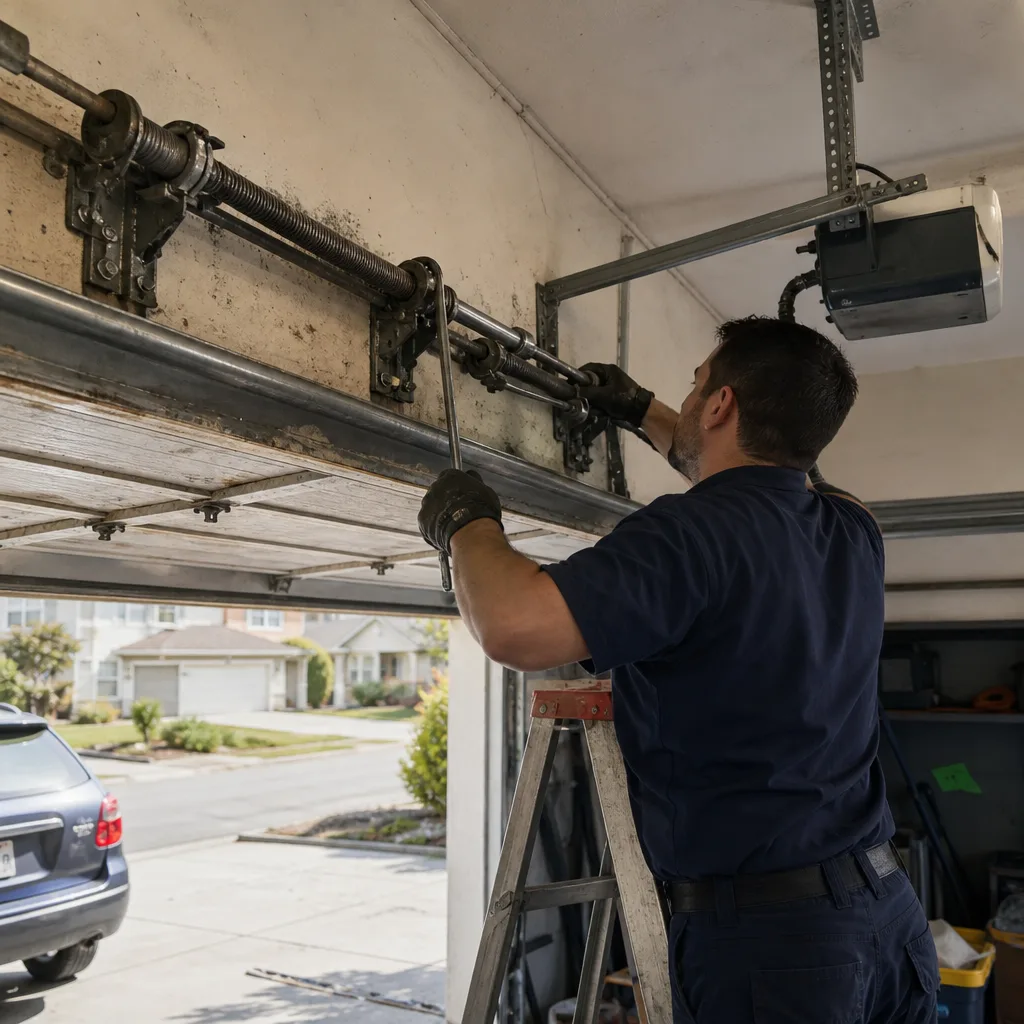 Before
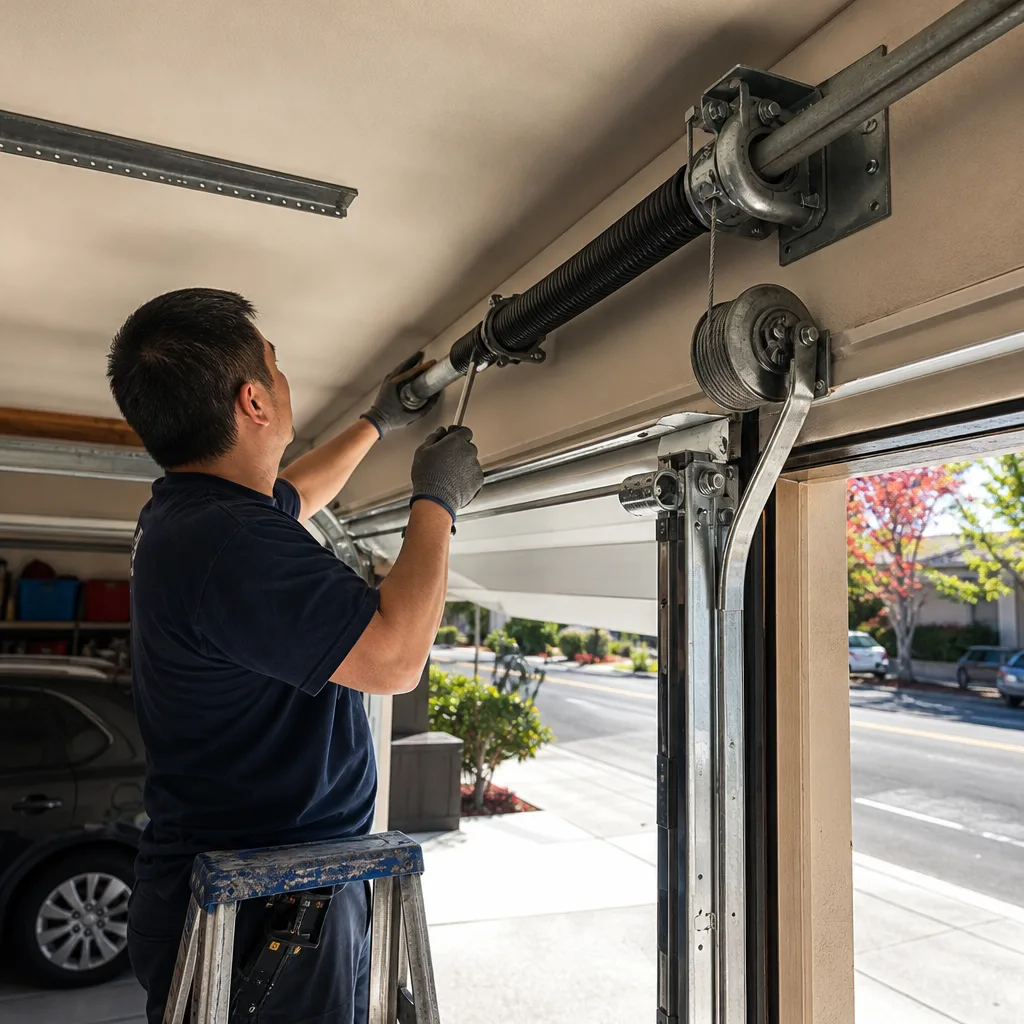 After
After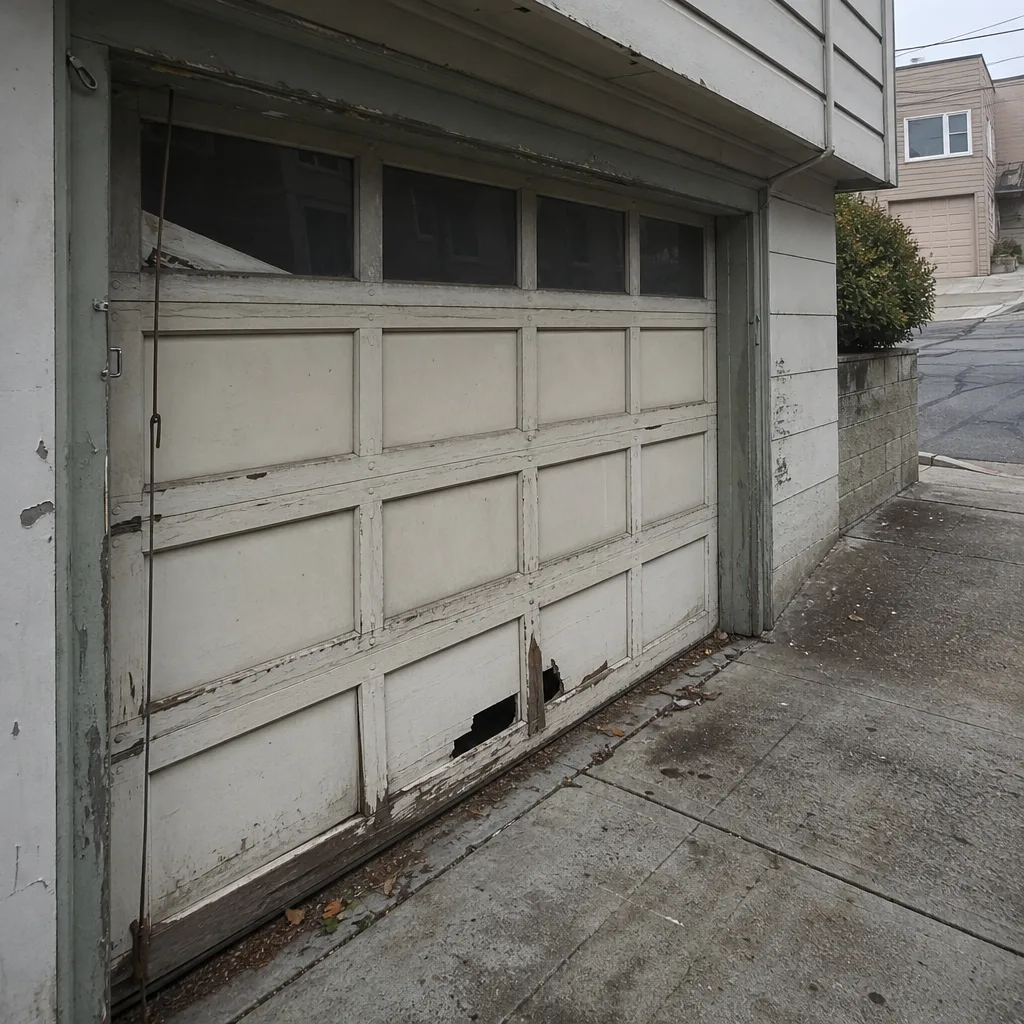 Before
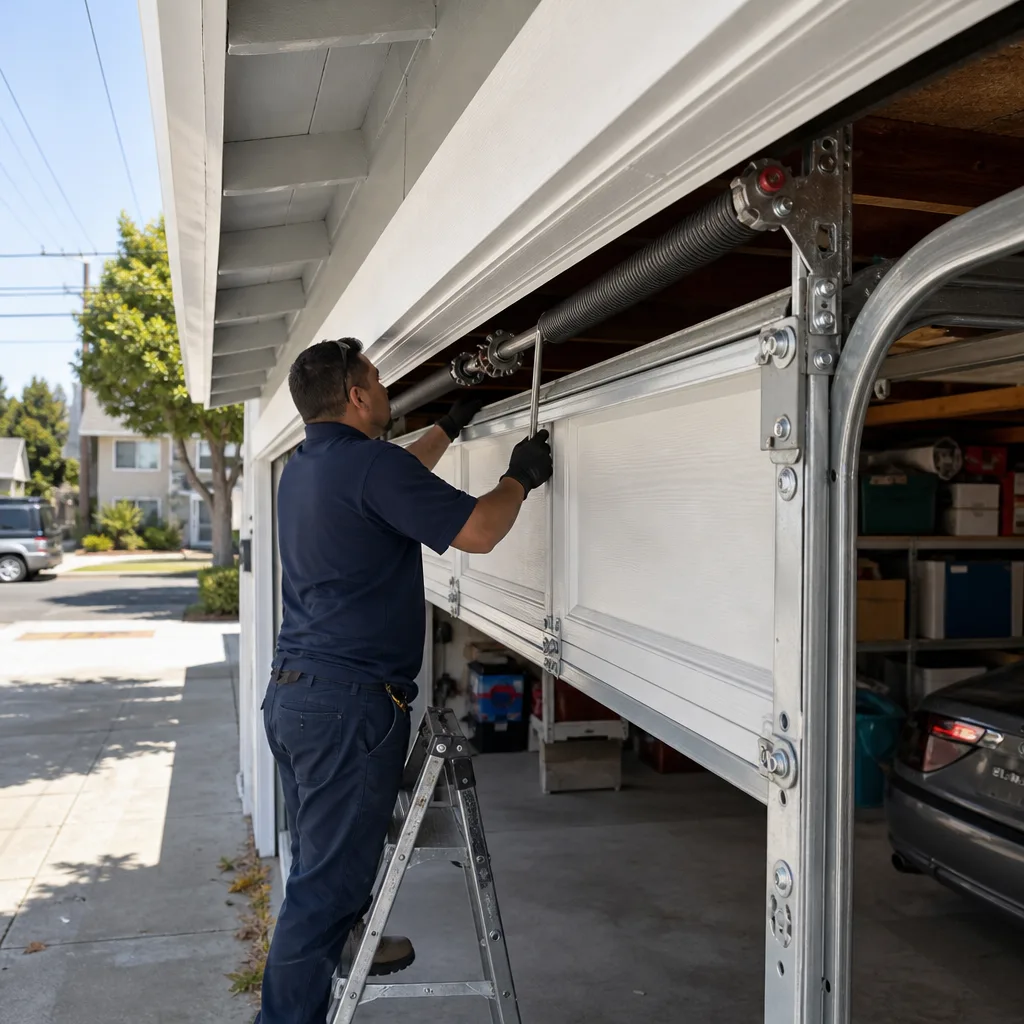 After
After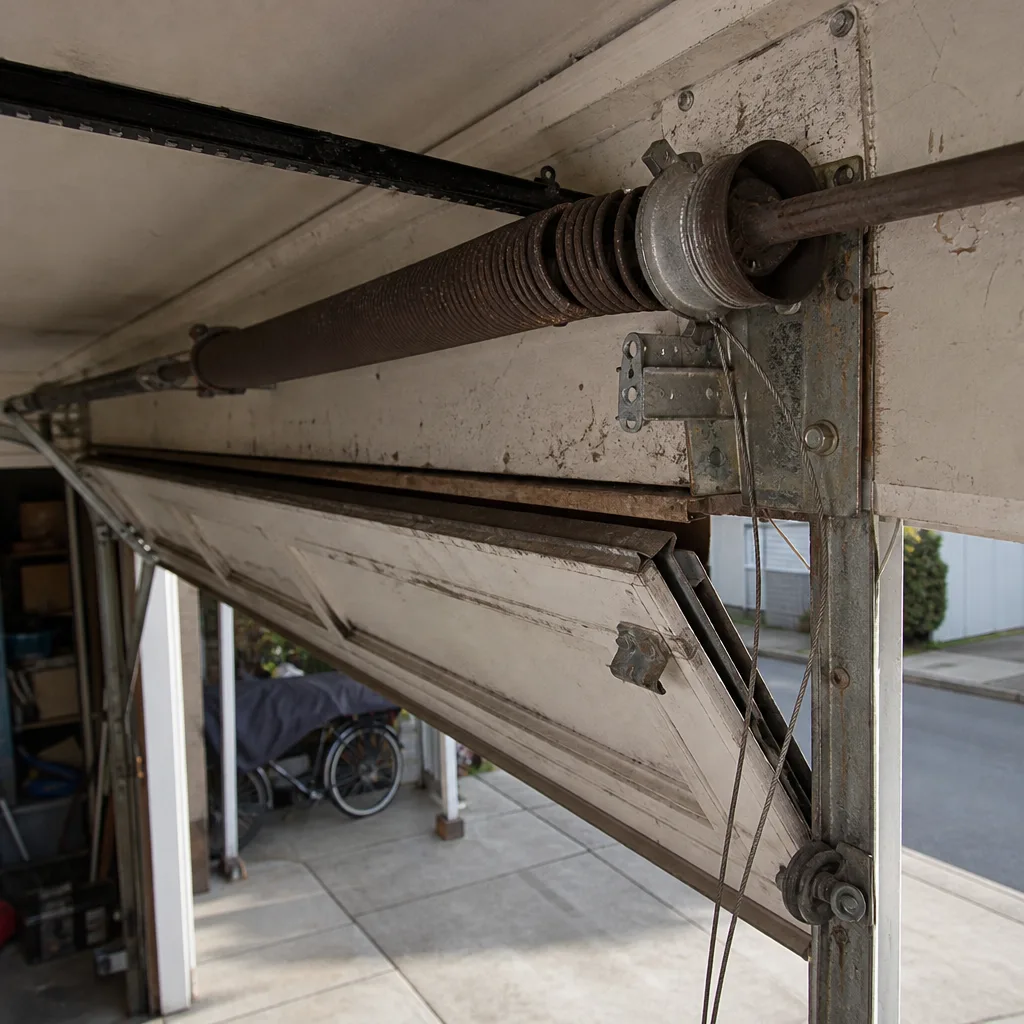 Before
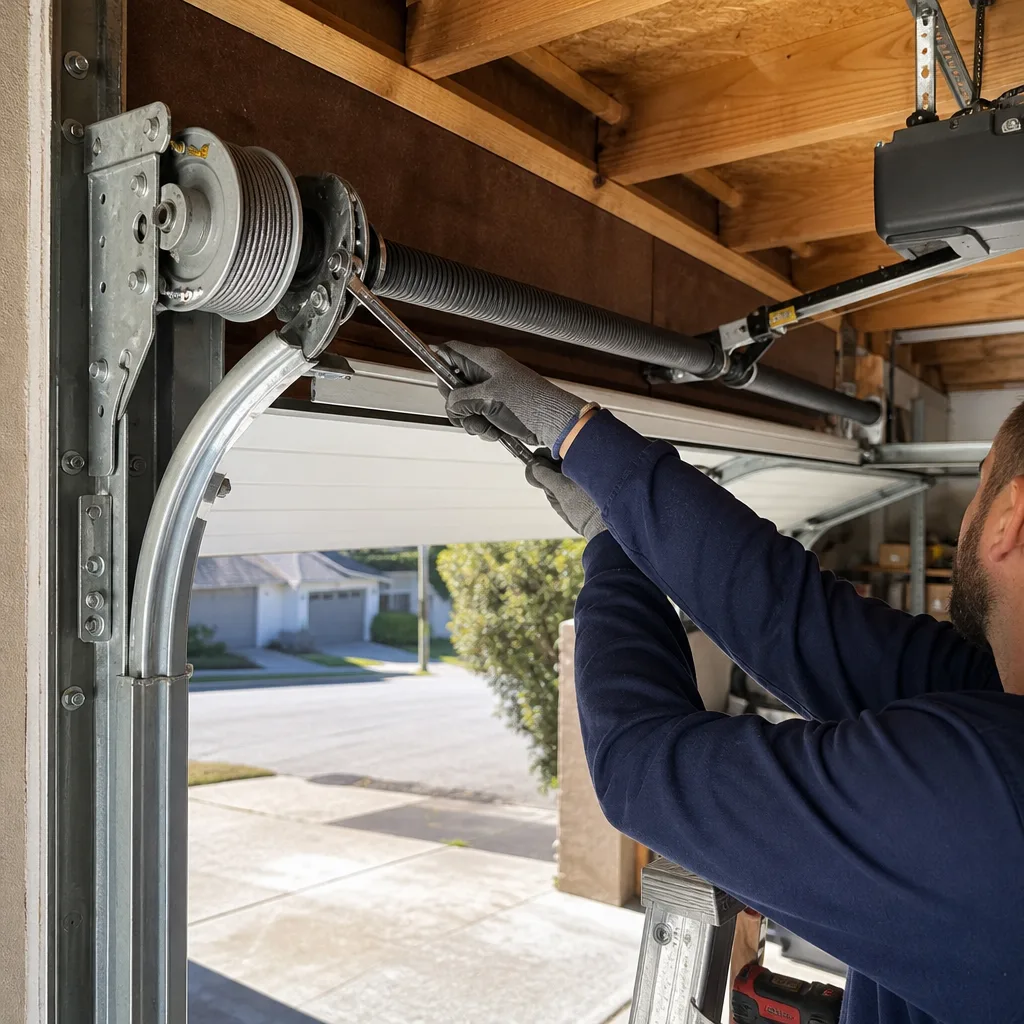 After
AfterReplacement Cost & What’s Included
Installed Amarr cable and drum replacement in San Francisco runs $155 – $295 for most residential doors. Here’s how that breaks down:
| Service | Typical Range | When It Applies |
|---|---|---|
| Single cable replacement | $155 – $195 | One cable snapped or frayed, drum is still serviceable |
| Cable replacement plus drum | $195 – $275 | Drum is worn, grooved, or off-center |
| Full cable and drum set, both sides | $245 – $295 | High-mileage door, rust damage, or both cables showing wear |
The range depends on door height, drum type, and whether we’re replacing one or both sides. Every quote includes the parts, labor, safety inspection of the spring and tracks, and a written guarantee covering the work for a full year. The price we quote is the price you pay. Keith will hand you a written figure before a single tool comes off the truck, and it does not change when the job is done. That’s how we operate on every repair in San Francisco, from the Mission to Pacific Heights.
DIY or Call Us?
Here’s the honest split. You can safely inspect the door and identify the problem: check whether one side hangs lower, look for frayed cable strands, and listen for grinding near the top corners. That information helps you describe the issue over the phone, and it helps us arrive with the right parts. What you should not do is loosen bolts, remove the old cable, or try to re-seat the drum yourself. The torsion spring is actively holding tension against those parts, and an amateur step in the wrong order can send that tension snapping into the drum, the cable, or you.
When you call (650) 550-9734, a live person answers, day or night. We’ll give you a straight answer about cost, tell you whether the door needs to be taken out of service until we arrive, and set a time that works. Aaron and the crew have been doing this in San Francisco long enough to know that a broken garage door messes with your whole day, so we don’t waste your time when we get there.
FAQs
In our experience, Amarr cables last 8 to 12 years in San Francisco before they need replacement, assuming the door was installed correctly and the spring tension has stayed balanced. Fog-belt garages in the Sunset and Richmond tend to shorten that lifespan by a few years because of persistent moisture and salt exposure. Drums typically outlast cables by several years but wear out faster if the door has ever run with a broken spring, which loads them unevenly.
No. A frayed cable is a failed cable, and there is no safe way to splice, tape, or patch it back to strength. Even a cable with only a few broken strands has lost structural integrity, which means it will snap completely under normal use, usually without warning. Replacement is the only correct fix, and the good news is that a new cable costs about the same as any repair attempt would.
Most single-side cable and drum replacements on an Amarr door take 45 to 75 minutes once we’re on site. A full two-side replacement with worn drums typically runs 75 to 100 minutes. The work includes balancing the door and testing the full open-close cycle at least three times before we leave.
Yes. Our trucks carry Amarr-compatible cables and drums in the most common sizes for San Francisco homes, including 7-foot and 8-foot door configurations and the drum types used on Amarr’s Lincoln, Classica, and Stratford lines. If your door needs a non-stock drum, we can usually have it in hand within one business day. Call (650) 550-9734 and describe your door, and we’ll confirm what we’re bringing before we arrive.
Written by Aaron Teague, Owner, Doyle Garage Doors San Francisco at Doyle Garage Doors San Francisco, serving San Francisco and nearby areas.