
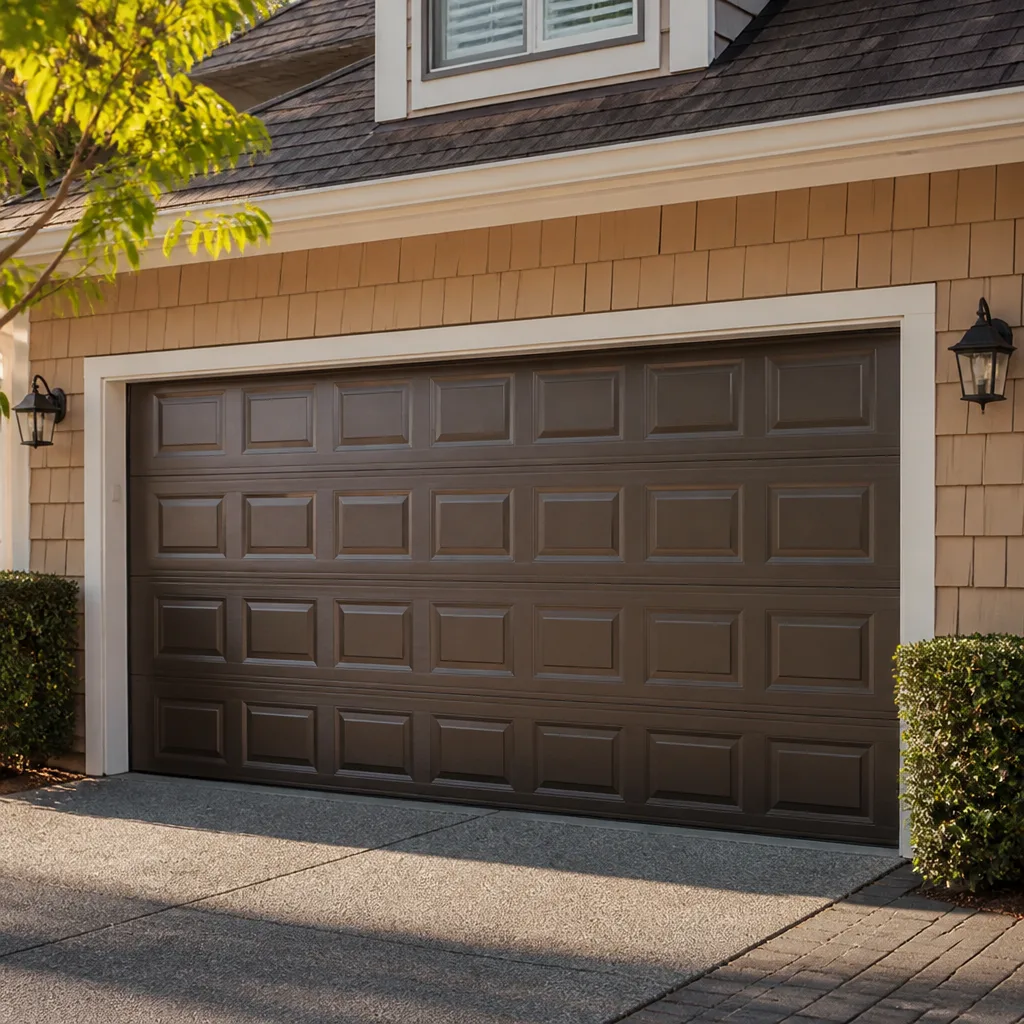
 Raised-panel steel
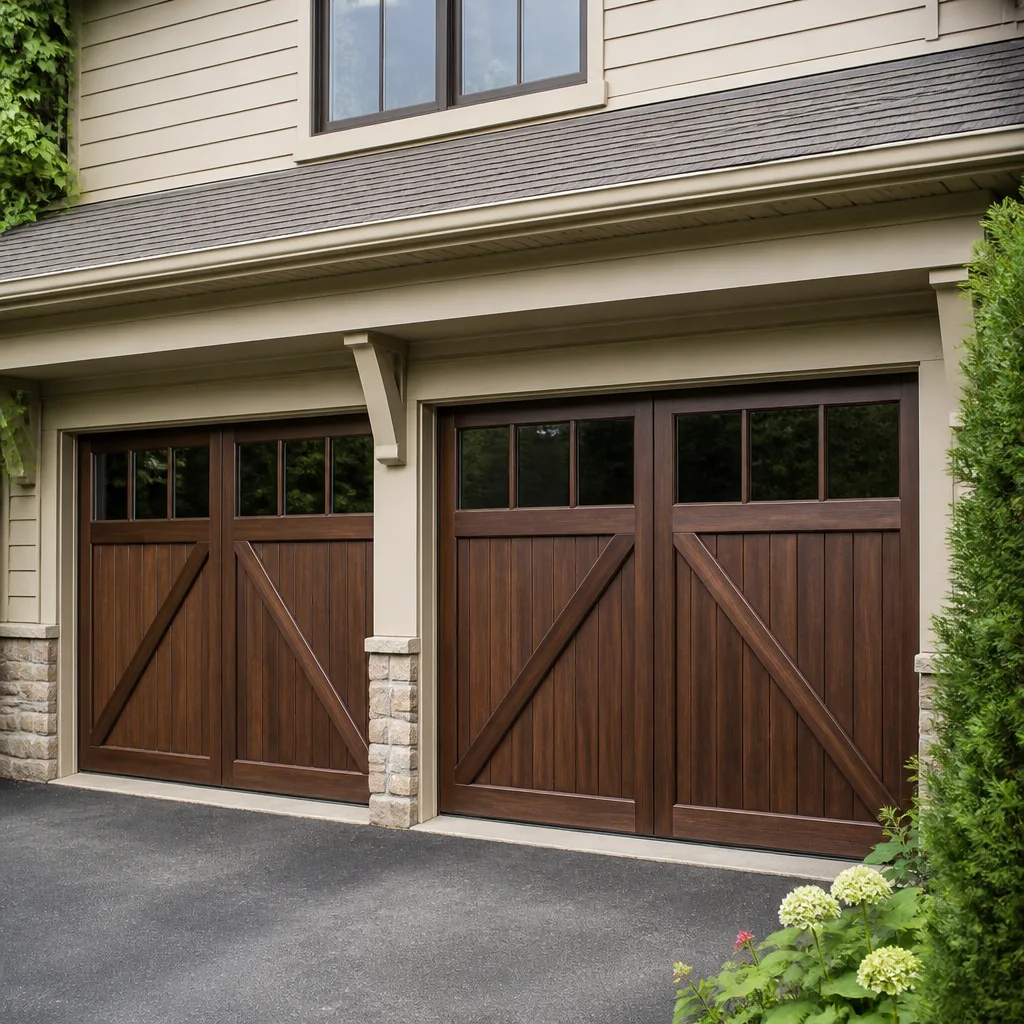 Carriage house
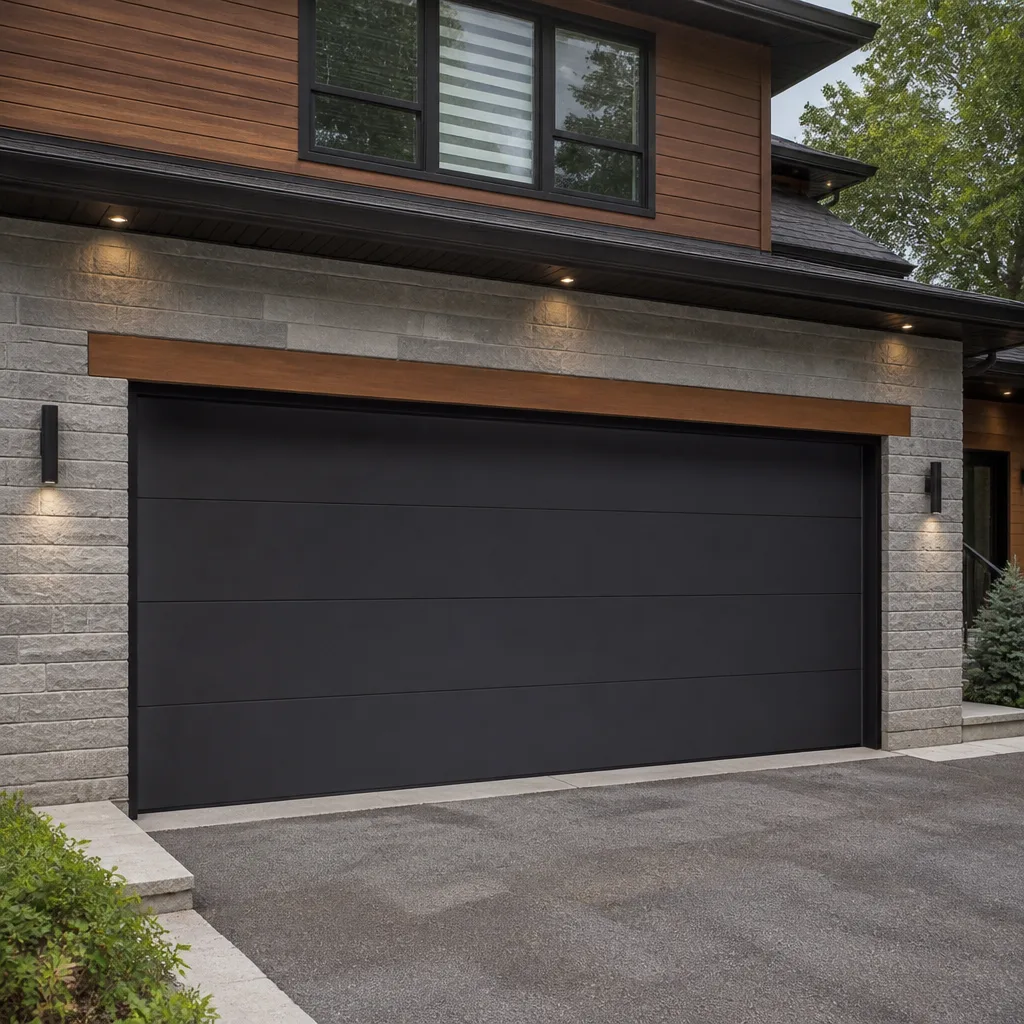 Modern flush
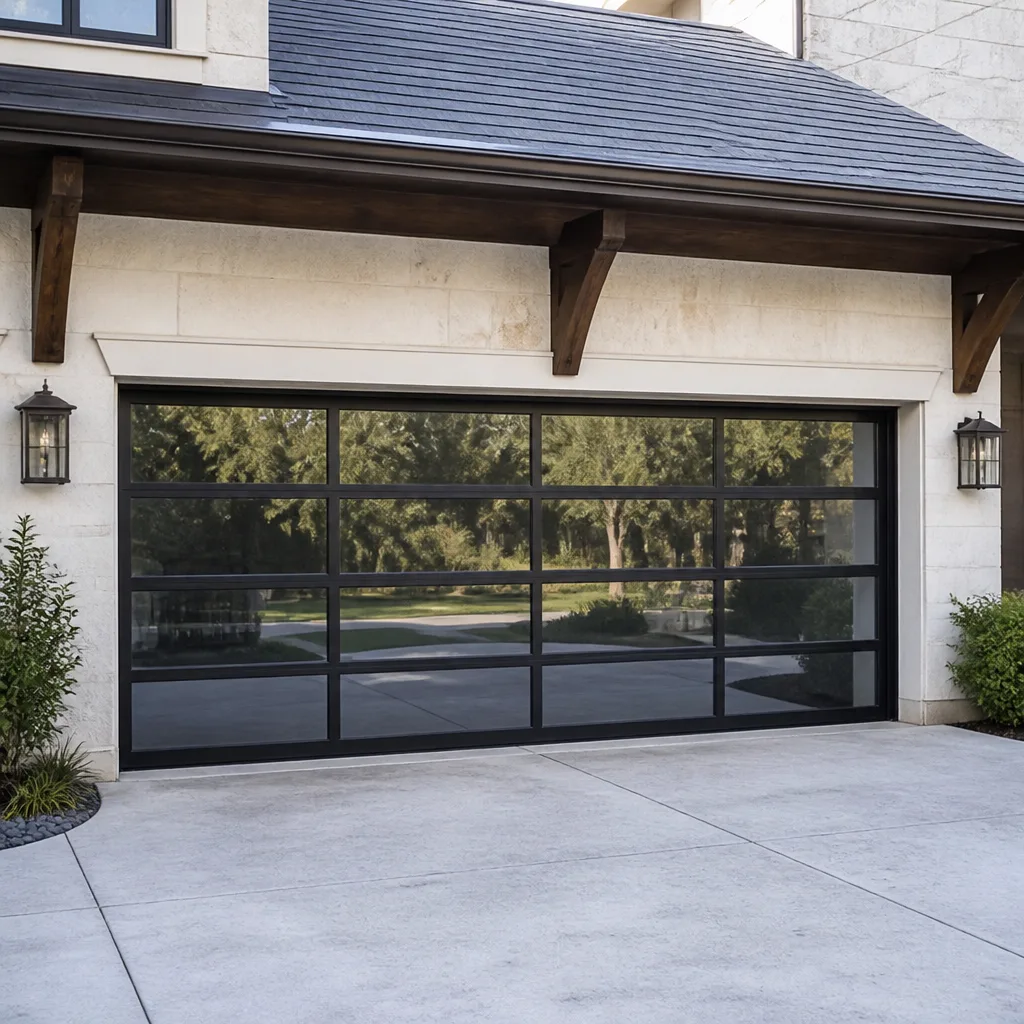 Full-view glass
 LiftMaster openers
 Chamberlain openers
Full 25-point door and opener safety check with every visit - springs, cables, rollers, tracks, and your LiftMaster or Chamberlain opener included
You get a price before we start. It does not change when the truck arrives.
Get your free estimateRaynor Roller Replacement: The San Francisco Owner’s Guide
Raynor roller replacement in San Francisco typically runs $130 to $260 installed, and we carry Raynor-compatible rollers on our trucks for same-day service across the city. Most owners discover the problem the same way: the door starts sounding like it’s dragging gravel, or it shudders on one side and hesitates halfway up. That’s a roller failing, and the longer it runs worn, the more strain it puts on the hinges, the track, and eventually the opener motor itself. Aaron Teague and our crew have replaced hundreds of Raynor rollers in homes from the Outer Sunset to Bernal Heights, and the fix is usually faster than most people expect: identify the failing roller, match the size and stem, swap it, lubricate the track, and the door runs quiet again.
Which Raynor Models This Applies To
Raynor builds residential doors under several series names, and the roller compatibility depends on the track profile and the hinge style, not just the brand decal. We routinely replace rollers on Raynor Advantage, Aspen, Decade, and Pinnacle series doors, as well as older stock models still running original hardware from the 1990s and early 2000s. The critical measurements are the roller diameter (typically 2 inches for residential Raynor doors, though some older commercial-grade units use 3 inches) and the stem length (often 4 to 7 inches, depending on hinge placement). Here’s the compatibility gotcha: Raynor’s older doors occasionally used a 7/16-inch stem instead of the more common 1/2-inch, and if the previous “handyman fix” forced a wrong-size stem into the hinge, you’ll feel slop in the door and hear a clicking when it moves. We measure before we quote, every time. Genuine Raynor rollers are well-made, but quality aftermarket equivalents in nylon and sealed-bearing steel often outlast the OEM part and cost less. We stock both and will tell you which makes sense for your door after we see it.
Styles & brands we work with
Signs Your Raynor Roller Replacement Is Failing
- Grinding or gravelly noise when the door moves. This is the ball bearings inside the roller disintegrating. Once the bearing goes, the wheel stops rolling and starts sliding, which scrapes the track and accelerates wear on everything attached to the door.
- The door shudders or jerks on one side. A roller with a flat spot or a seized bearing catches on the track instead of riding it smoothly. The door fights itself on the way up, and you’ll see the panel flex at the point where the bad roller sits.
- Visible wobble in the roller wheel. With the door closed, look at the rollers from inside the garage. A worn roller will have obvious side-to-side play in the wheel, or the nylon sleeve will be cracked and chipped. On Raynor doors in San Francisco’s fog belt, we also see surface rust on steel rollers that has already pitted the wheel.
- Uneven gaps between the door and the track. When a roller stem bends (common on doors that have been hit by a car or yanked while frozen shut), the wheel cants sideways and the door pulls away from the track on that corner.
- The opener sounds strained, or the door reverses partway down. A failing roller adds friction the opener has to muscle through. Late-model openers with force-sensing reverses will trip early and refuse to close the door all the way, which is the machine telling you something’s binding.
See the difference
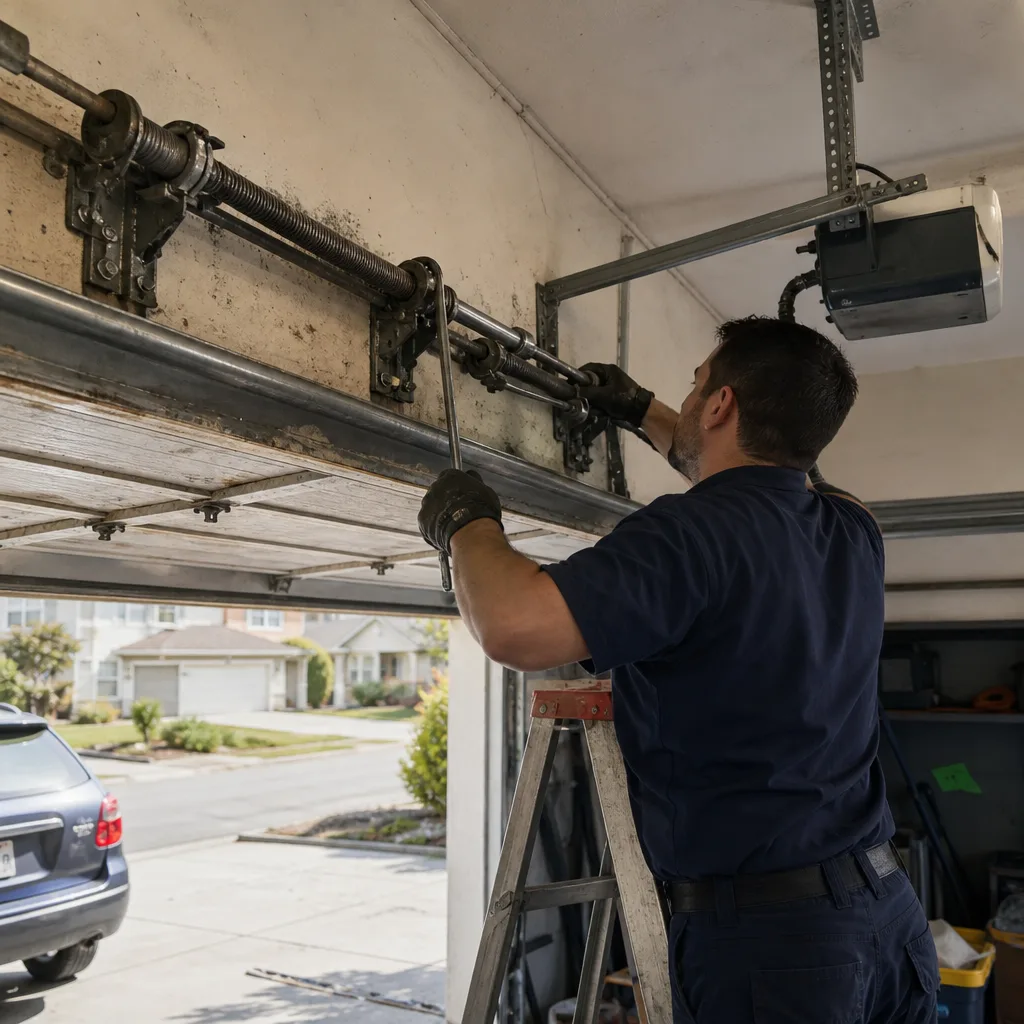 Before
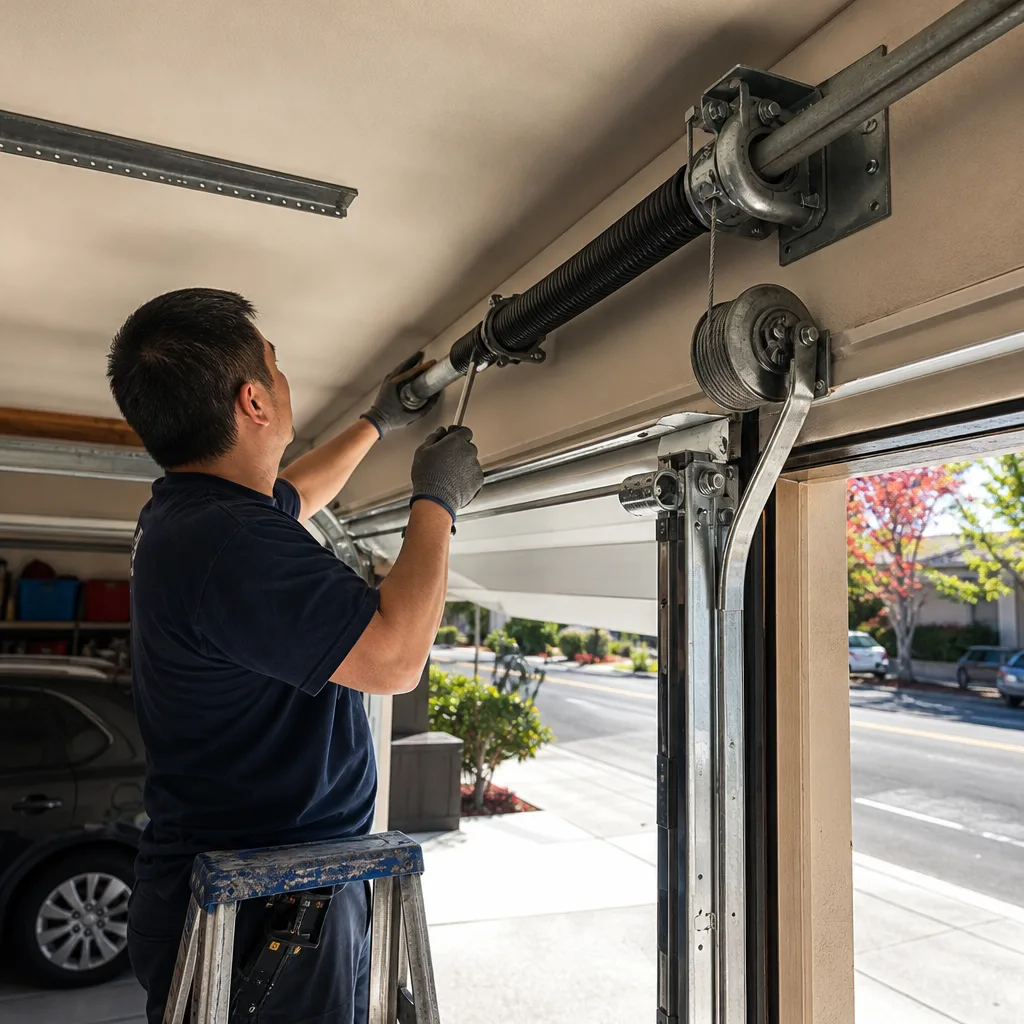 After
After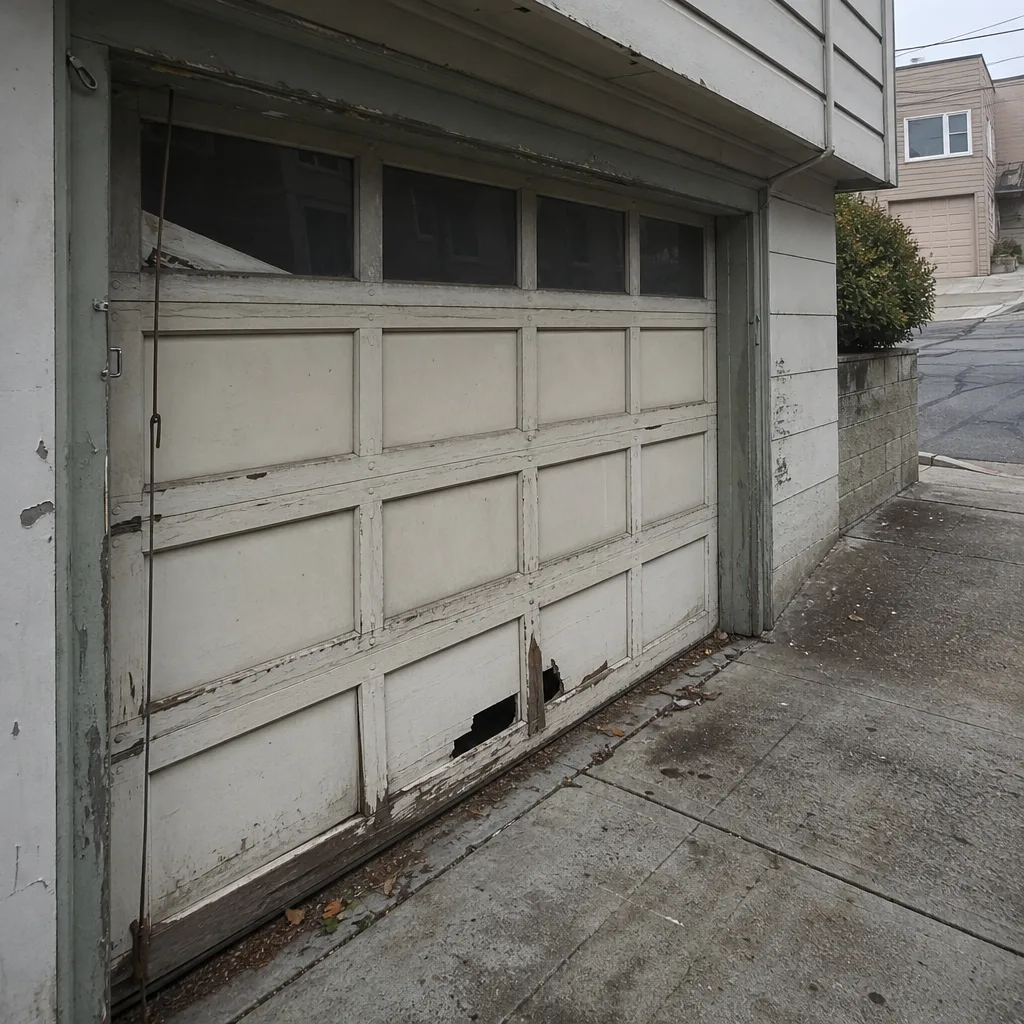 Before
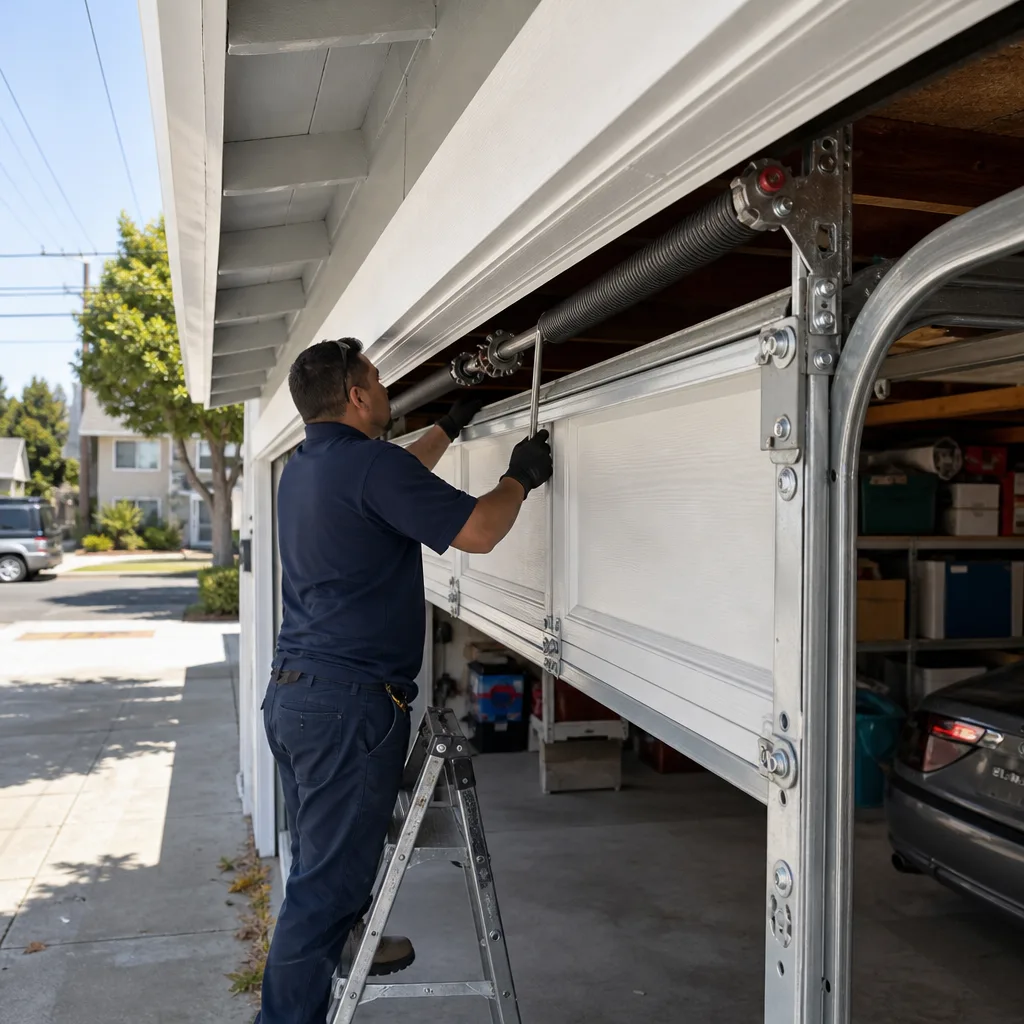 After
After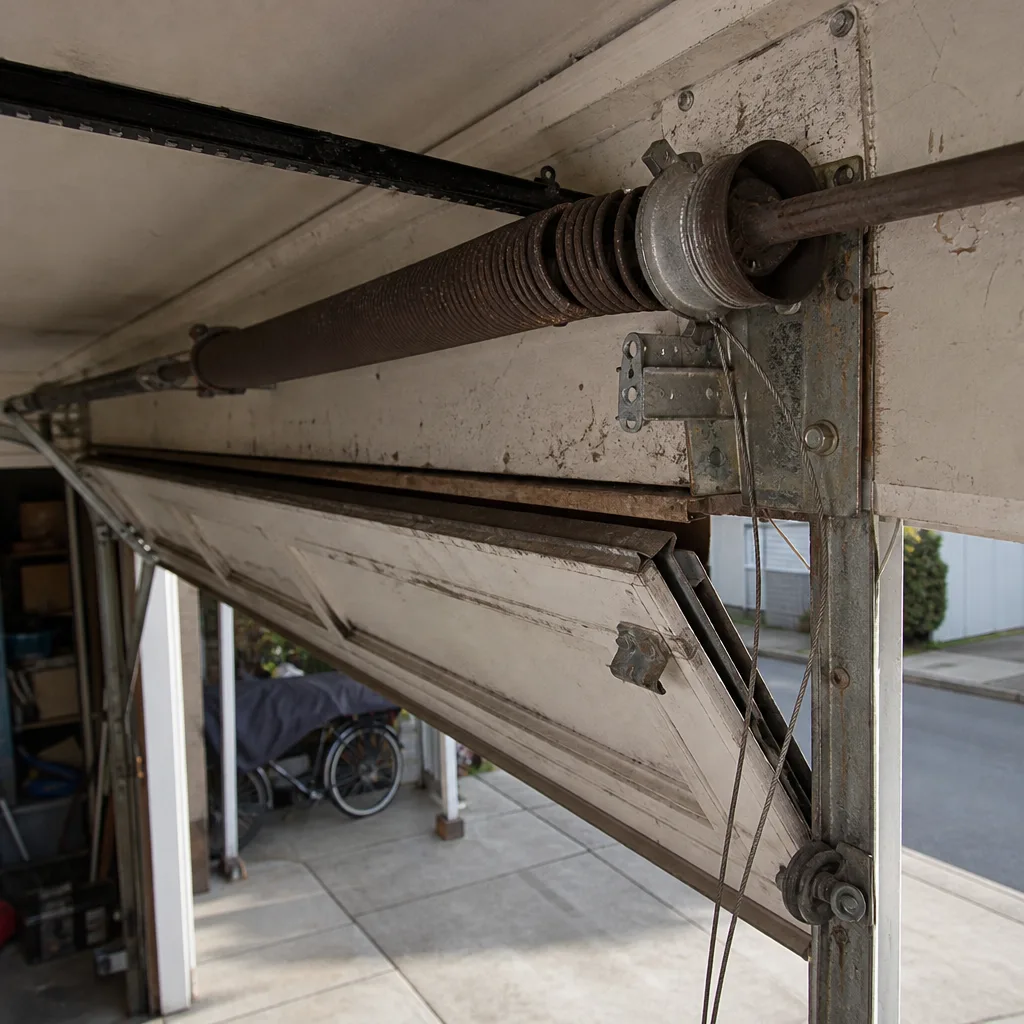 Before
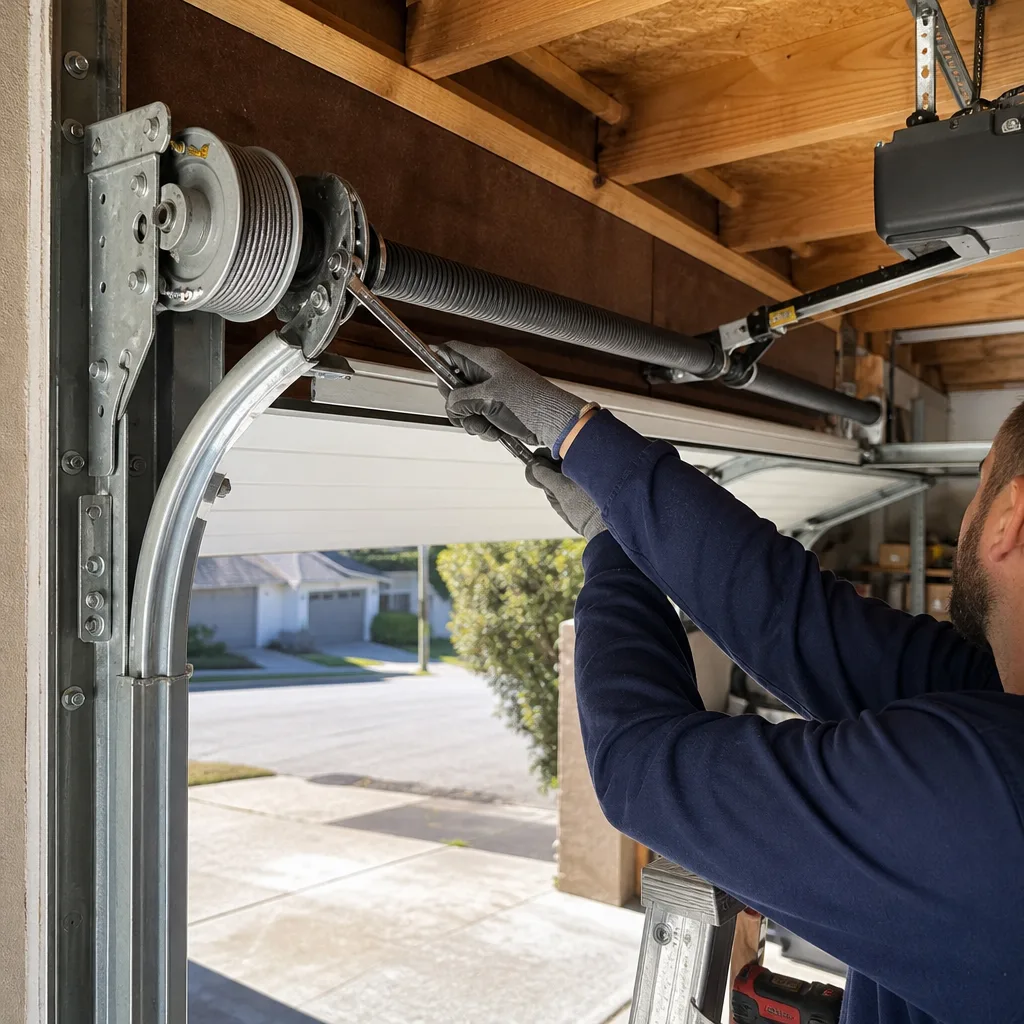 After
AfterReplacement Cost & What’s Included
Plan on $130 to $260 for Raynor roller replacement in San Francisco, parts and labor included. Where you land in that range depends on three things: how many rollers we’re replacing (most owners do all of them at once, since they wear at roughly the same rate), whether we’re using standard nylon or sealed-bearing steel rollers, and whether any hinges need replacing at the same time. A single failed roller on a standard Raynor door is the low end; a full set of sealed-bearing rollers on a 16-foot door with a couple of bent hinges is the high end. The price you’re quoted is the price you pay: we write the number down and hand it to you before a single bolt is turned, and we don’t add surprise line items at the end. Every roller replacement carries our 365-Day Done Right Promise in writing: 365 days from the date of repair, if a roller fails, we come back and make it right at no charge. Call (650) 550-9734 for an exact quote, free.
DIY or Call Us?
You can safely check a few things yourself: with the door closed, look at each roller and note which ones wobble, chip, or show rust. You can also open the door halfway and wiggle each roller by hand to feel for play. What we don’t recommend is unbolting the bottom roller bracket yourself. On Raynor doors, the bottom roller brackets attach near the bottom corner of the door and are often under constant tension from the lift cable. If the cable is still loaded, loosening that bracket can release stored energy faster than you can react, and that’s how fingers get crushed and doors come off the track sideways. This is not a scare tactic; it’s the honest reason we tell people to leave the swap to someone who does it weekly. If you’re in San Francisco and want it done today, call (650) 550-9734 and we’ll match the roller, show you exactly what’s worn, and give you the written price before we start.
FAQs
Raynor rollers typically last 7 to 12 years in San Francisco, with nylon rollers failing earlier in the salt air near the Sunset and Richmond districts. The fog carries moisture and salt that accelerates corrosion on steel stems and races, so a roller that would last a decade in the Mission might be done at seven years west of 19th Avenue. If your rollers are original and the door predates 2016, it’s time to have them inspected. Call (650) 550-9734 and we’ll tell you straight whether they need replacing now or can wait.
No: once the bearing or the nylon wheel goes, the roller is a throwaway part, and the fix is replacement. There’s no way to re-grease a sealed bearing or glue a cracked nylon wheel back together. The good news is replacement is fast and relatively inexpensive compared to what happens if a seized roller scores the track. If the track gets grooved, you’re now paying for a track section too. So replace the roller while it’s still just a roller. Call (650) 550-9734 for a same-day quote.
Most Raynor roller replacements take 45 to 90 minutes on-site, assuming the track and hinges are in usable shape. A single roller is half an hour; a full set on a double door with a couple of sticky hinges takes a bit longer. We carry Raynor-compatible rollers, stems, and hinges on the truck, so we rarely need to leave for parts. Call (650) 550-9734 and we’ll give you a window that day.
Yes: our trucks carry Raynor-compatible rollers in 2-inch standard, 2-inch sealed-bearing steel, and the common stem lengths, plus nylon and steel wheel options. We also stock rollers for other major brands, including LiftMaster, Chamberlain, and Genie, so if a previous installer mixed hardware on your door, we can match what’s actually there. Call (650) 550-9734 and we’ll confirm what we need to bring for your specific door before we head out.
Written by Aaron Teague, Owner, Doyle Garage Doors San Francisco at Doyle Garage Doors San Francisco, serving San Francisco and nearby areas.