
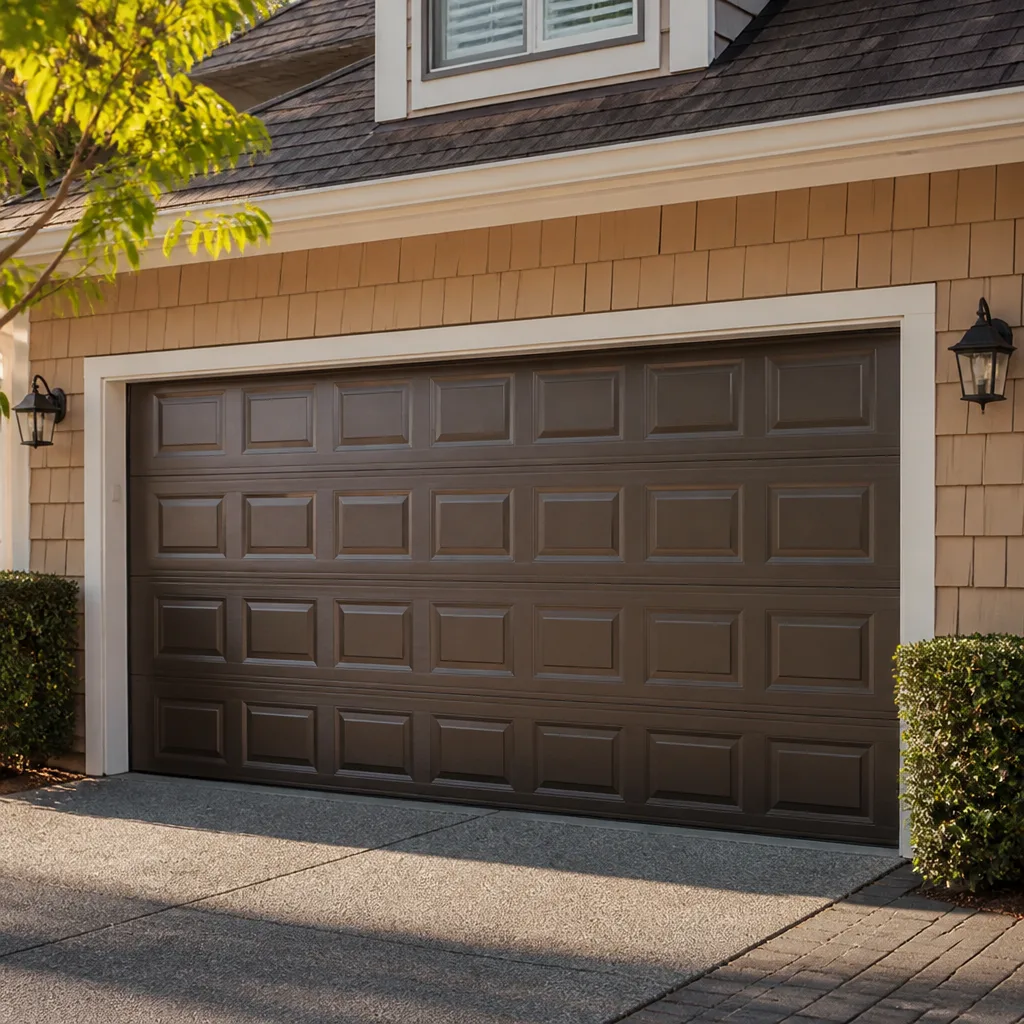
 Raised-panel steel
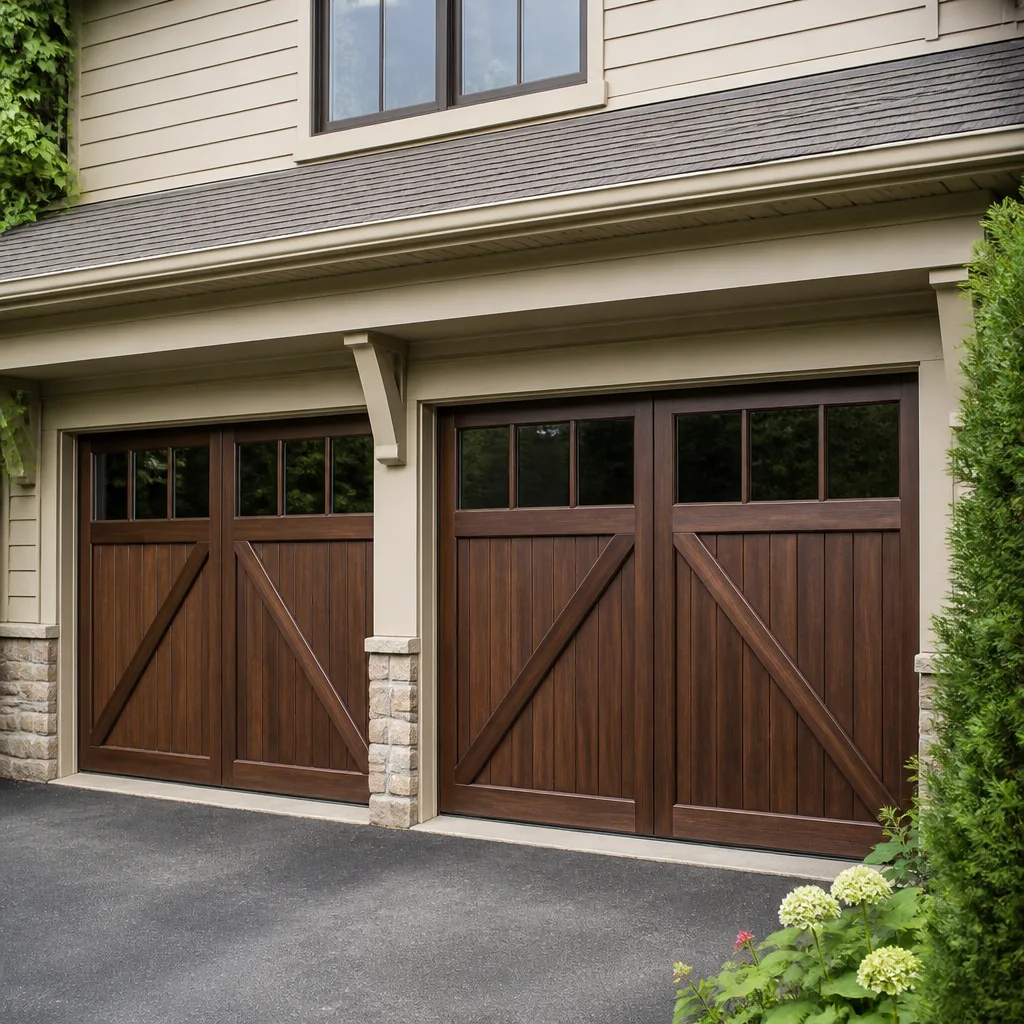 Carriage house
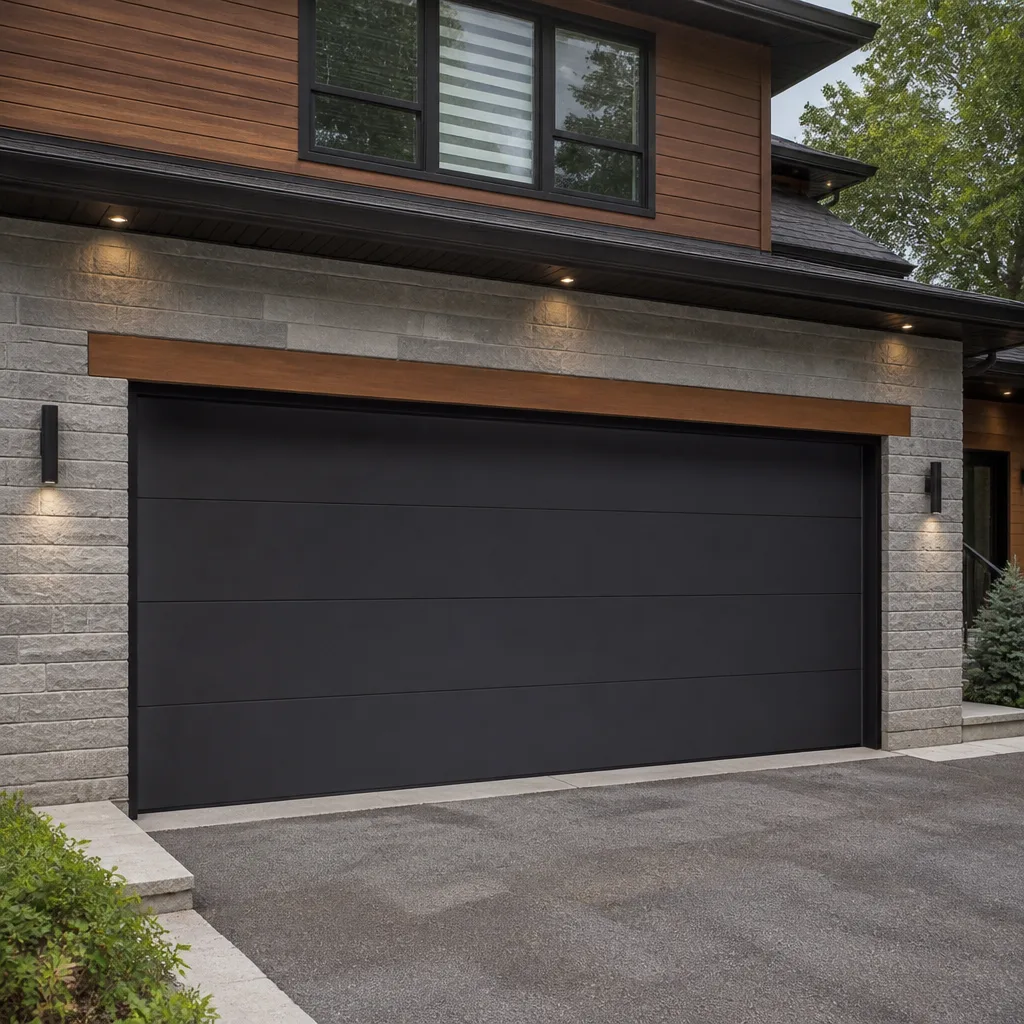 Modern flush
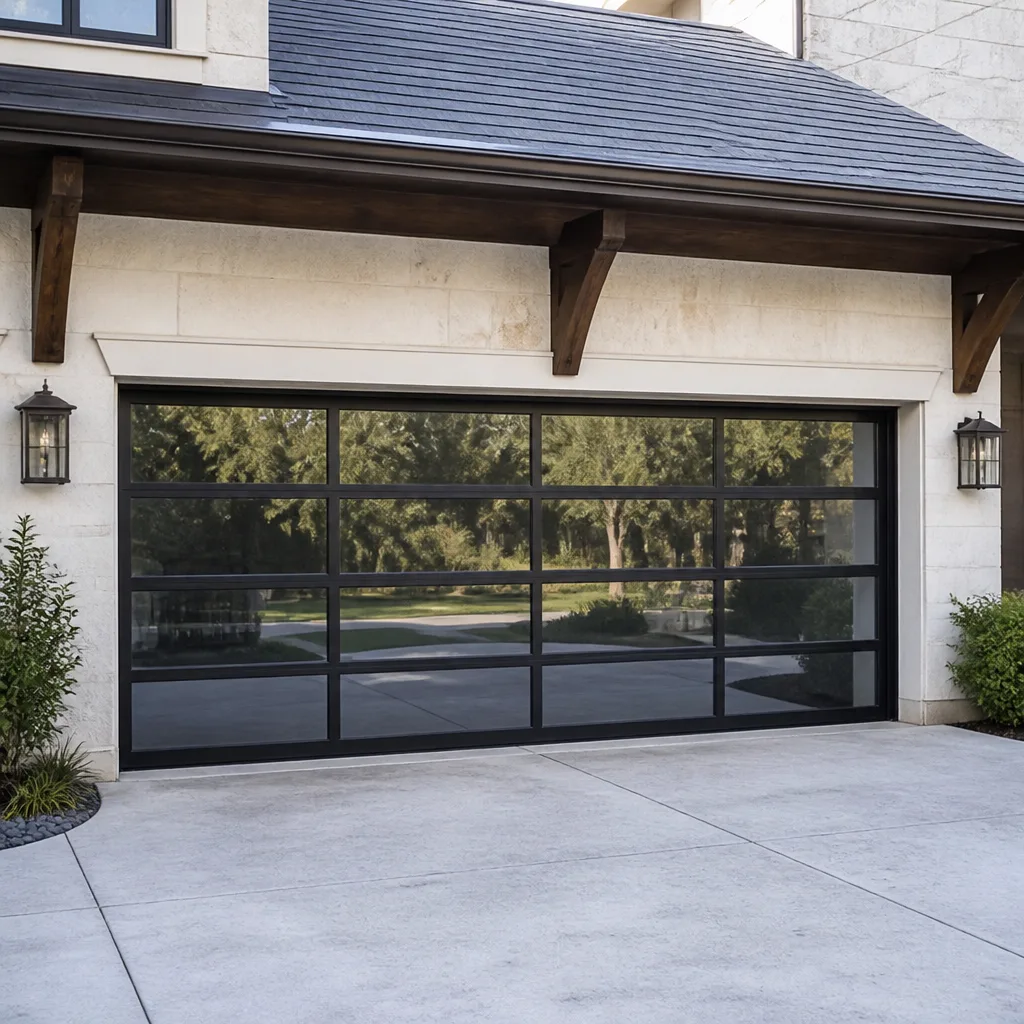 Full-view glass
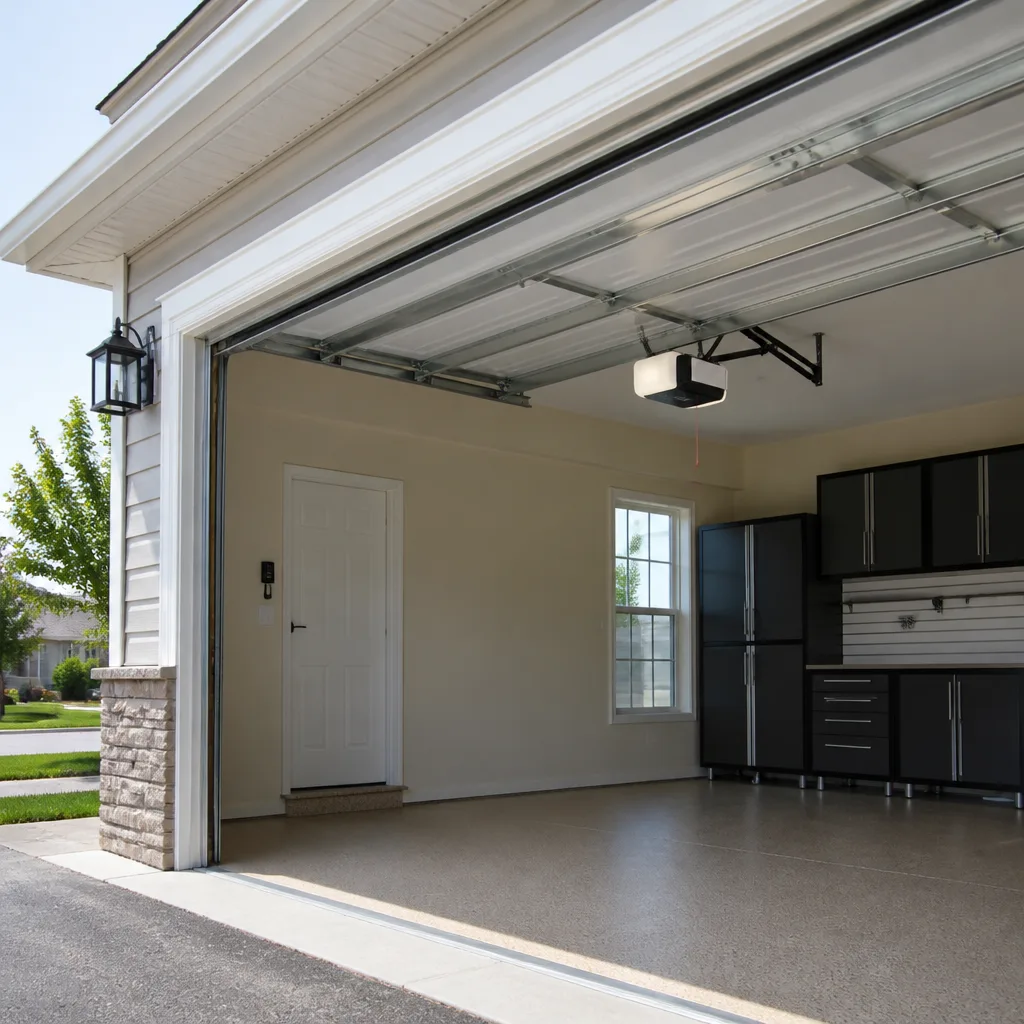 LiftMaster openers
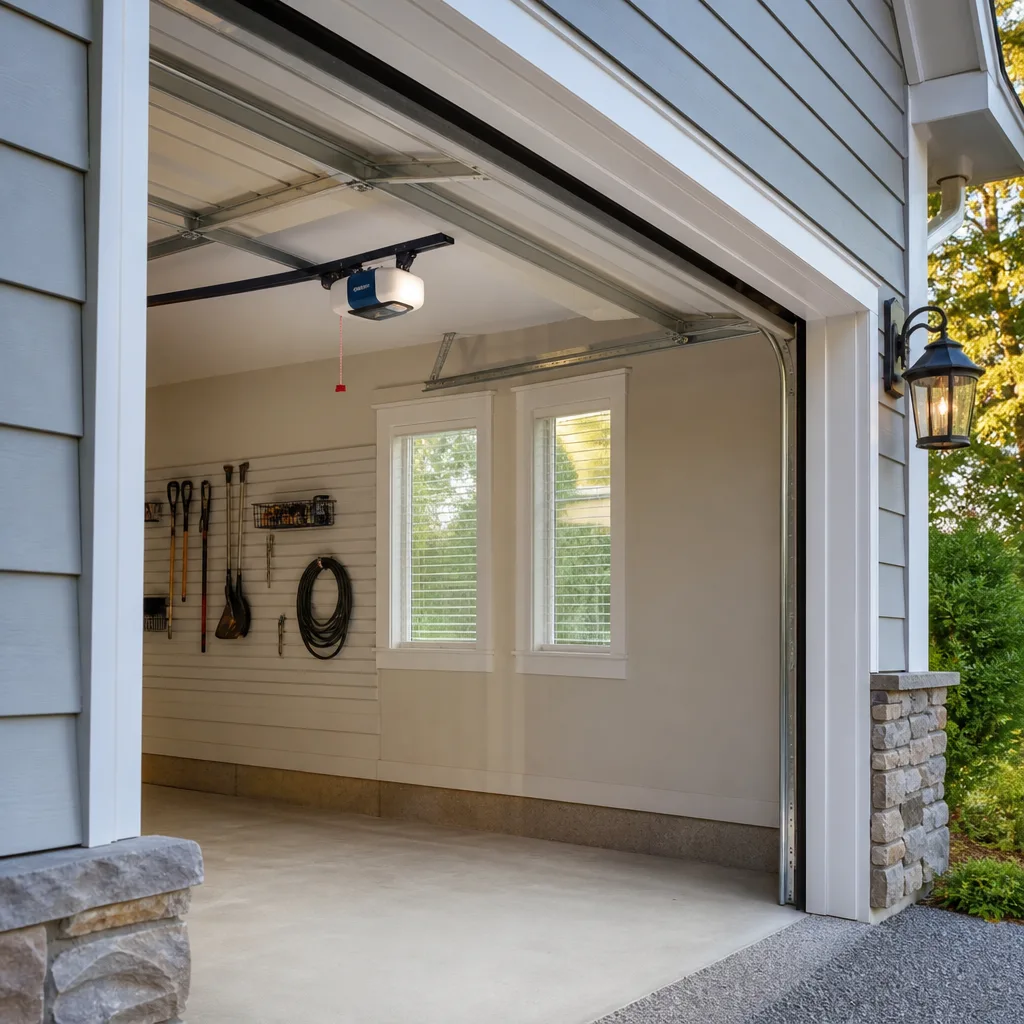 Chamberlain openers
Full 25-point door and opener safety check with every visit - springs, cables, rollers, tracks, and your LiftMaster or Chamberlain opener included
You get a price before we start. It does not change when the truck arrives.
Get your free estimateRaynor Weather Seal Replacement: The San Francisco Owner’s Guide
Raynor weather seal replacement in San Francisco typically runs $85 to $185 installed, depending on your door width and whether the retainer channel needs replacing along with the seal itself. We stock Raynor-compatible T-style and bulb-style seals on our trucks, and most jobs are done in under an hour the same day we arrive. You usually discover the seal has failed one of three ways: you see daylight under the door, you feel a draft in the garage, or you find water pooled inside after one of our rainy Pacific fronts moves through.
The bottom weather seal is the rubber strip that runs along the base of your Raynor door. Once it flattens, cracks, or pulls loose from the retainer, the door stops sealing against the concrete. In San Francisco, where garages sit at grade in the Sunset and the Richmond and morning fog hangs low until noon, a compromised seal means moisture, leaves, and the occasional determined rodent get in. The fix is straightforward when the right part goes in the first time.
Which Raynor Models This Applies To
Raynor builds doors under several series names, and the weather seal spec varies by model year and door thickness. The common ones we work on across San Francisco are the Raynor Aspen, the Raynor Relante, the Raynor Tri-Core, and the Raynor ShowCase series. Each uses either a T-style seal that slides into an aluminum retainer bolted to the bottom panel, or a bulb-style seal that presses into a round channel. The T-style is more common on Raynor steel doors from the last fifteen years; the bulb style shows up on older wood and aluminum Raynor doors as well as some door bottom edge profiles.
Here’s the compatibility gotcha that trips up a lot of DIY buyers: not all T-style seals are interchangeable. The stem width, the bulb diameter, and the retention barb design differ across manufacturers, and a generic seal from a big-box store often seats poorly in a Raynor retainer and pulls loose within months. We match the seal to the retainer, not just the brand name on the door. If your retainer is bent or corroded, which happens near the ocean side of neighborhoods like the Outer Sunset and Oceanview, we replace the retainer and seal together so the new rubber has a clean channel to lock into.
Raynor OEM weather seals are good quality, but we install a premium aftermarket equivalent that carries the same durometer rating and often outlasts OEM rubber in coastal air. Tell us the door’s model or send a photo of the retainer end profile, and Aaron Teague will have the right seal on the truck before we head your way.
Styles & brands we work with
Signs Your Raynor Weather Seal Replacement Is Failing
- You can see daylight under the closed door. The seal has compressed or worn thin across some or all of its length, usually from years of pressure against the slab and exposure to temperature swings. Once you see light, air and water are already getting through.
- Water puddles inside after rain. San Francisco storms blow sideways, and water driven against the door face finds the gap where the seal sits. If you’re in a hillside neighborhood like Forest Hill or Glen Park, runoff can channel directly toward the door and make a worn seal obvious fast.
- Cold drafts or a musty smell in the garage. Fog and damp air are constant here, and a failed seal lets that moisture sit in the garage. You’ll notice it most on stored boxes, tools, or anything fabric.
- Visible cracks, tears, or flattening in the rubber. Rubber has a predictable lifespan in this climate: five to seven years near the ocean, a bit longer inland. When the seal looks square-edged and brittle instead of rounded and pliable, it’s done sealing.
- Leaves, dust, or pests getting under the door. A gap even half an inch tall is a highway for debris and the occasional house mouse. In neighborhoods with mature trees like Noe Valley or Presidio Heights, leaf litter under the door is the giveaway that the seal has failed.
See the difference
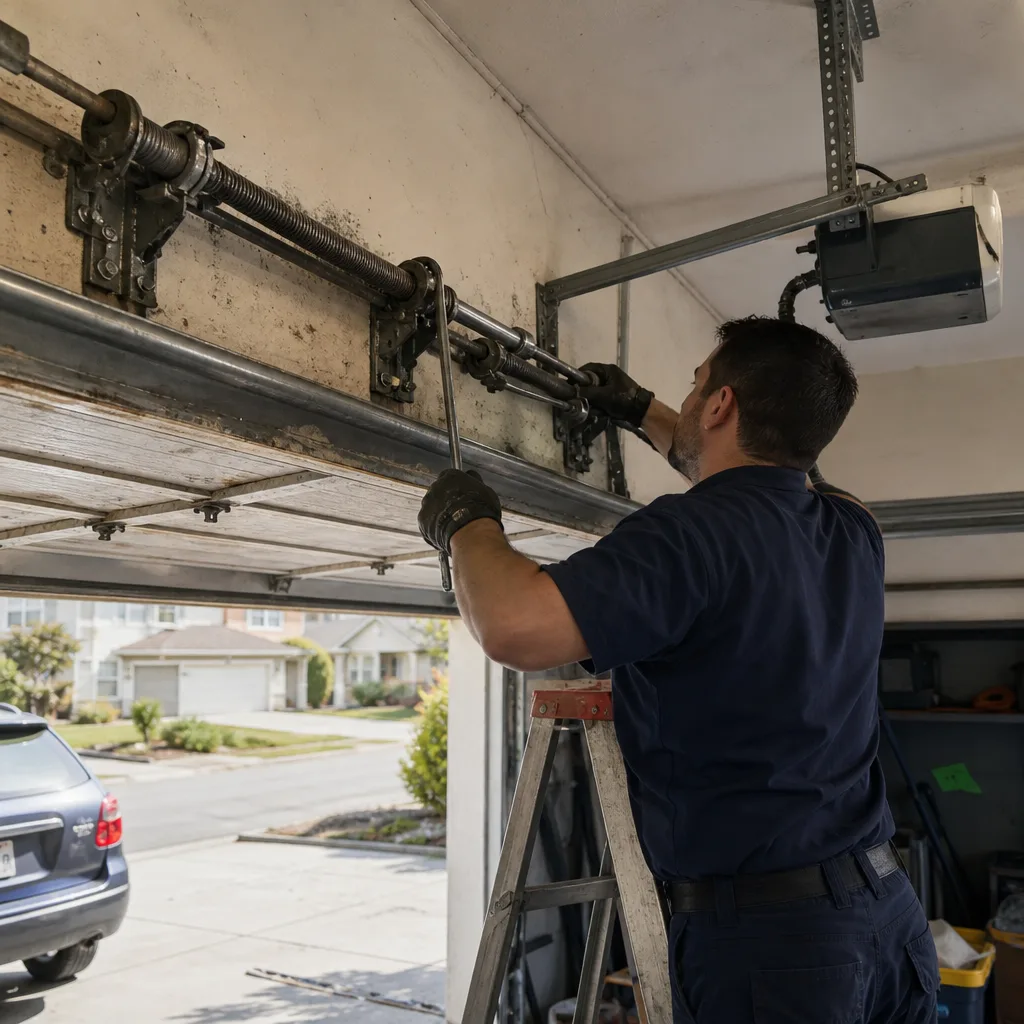 Before
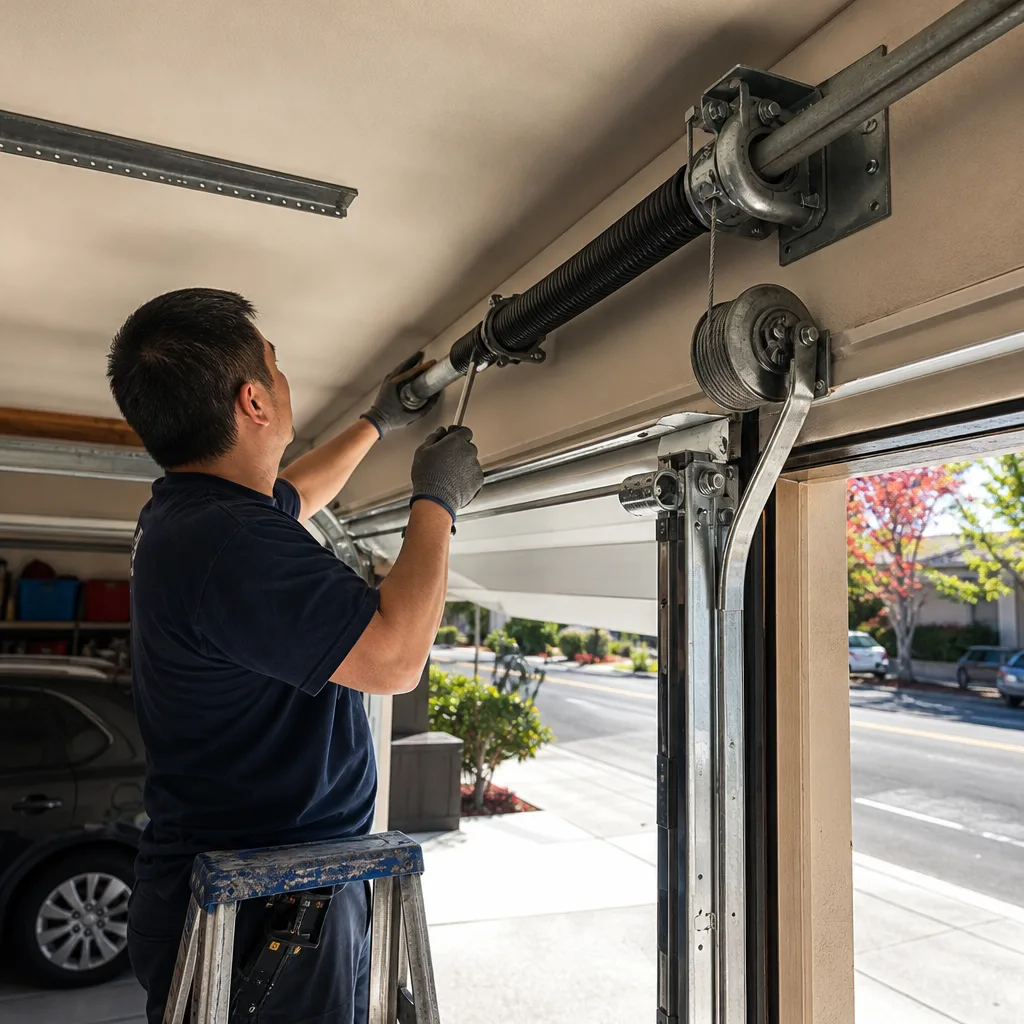 After
After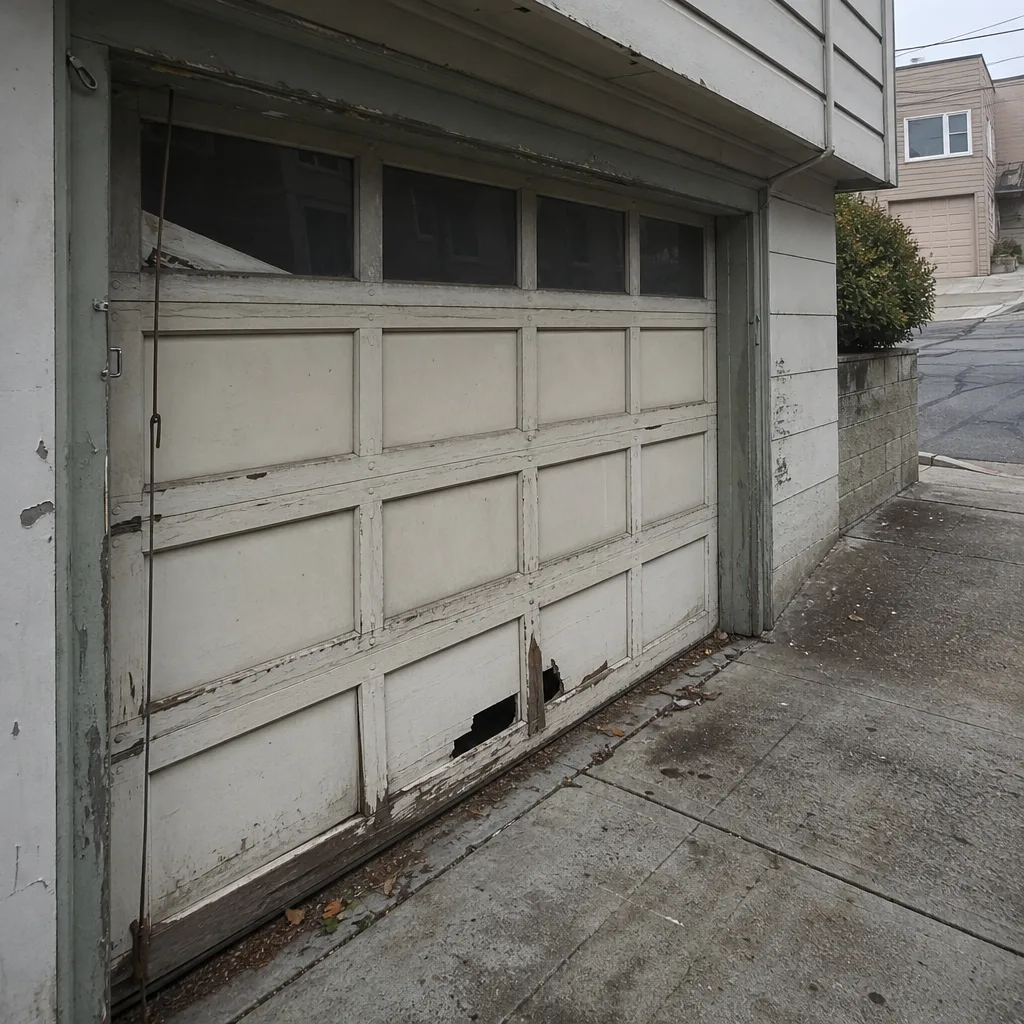 Before
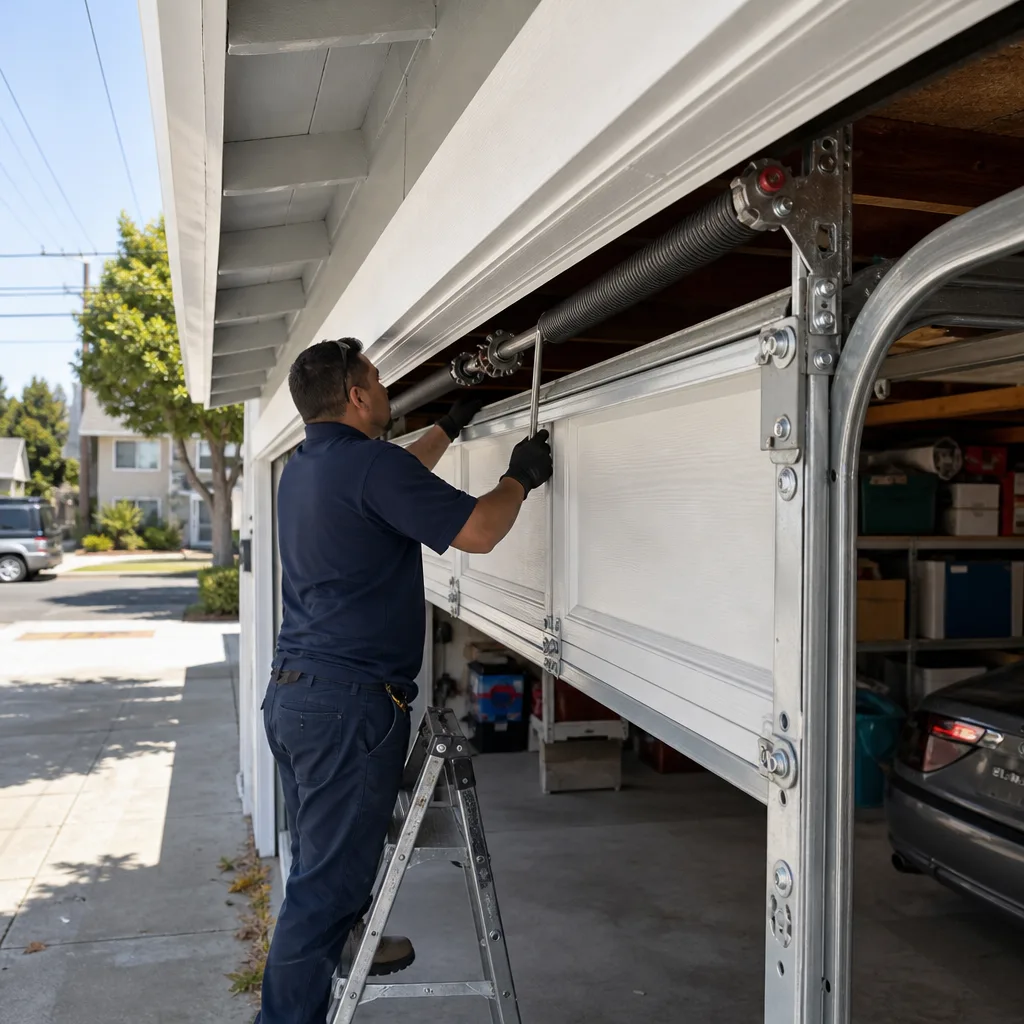 After
After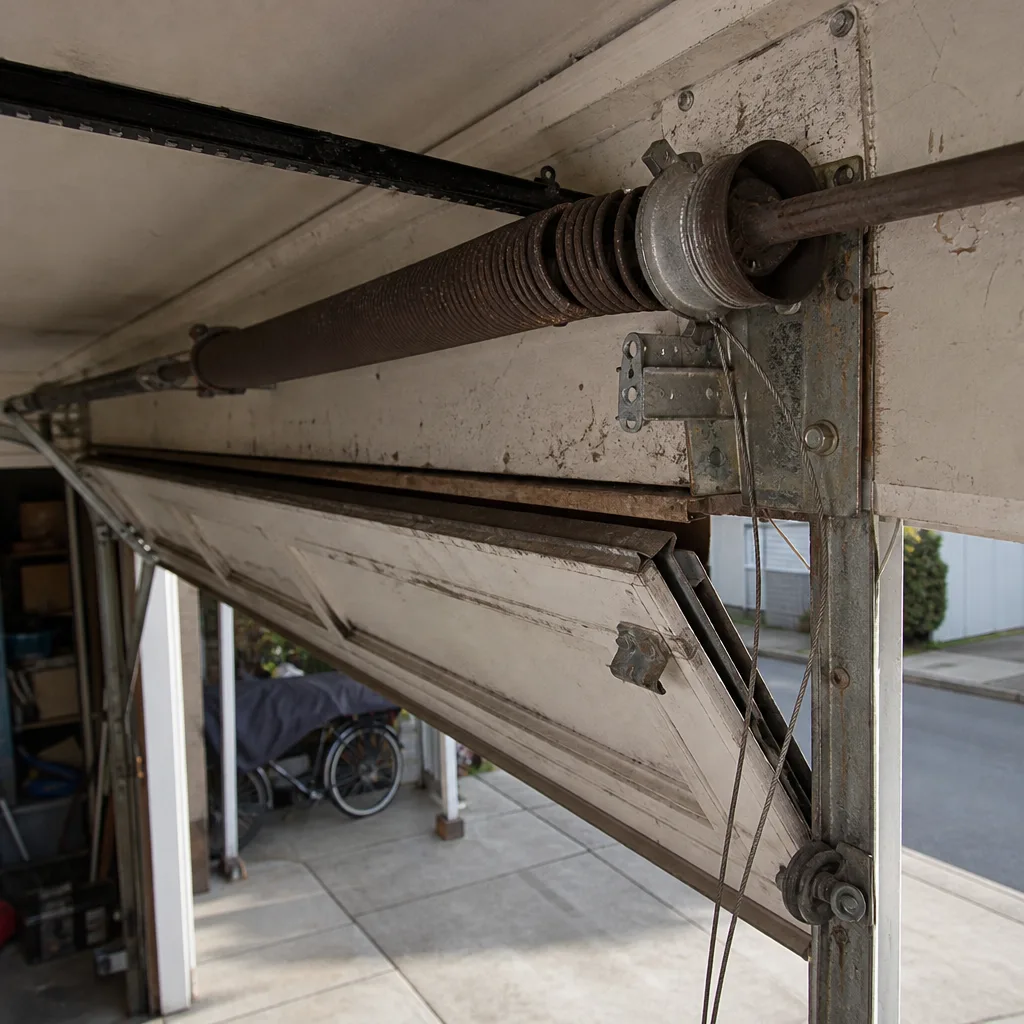 Before
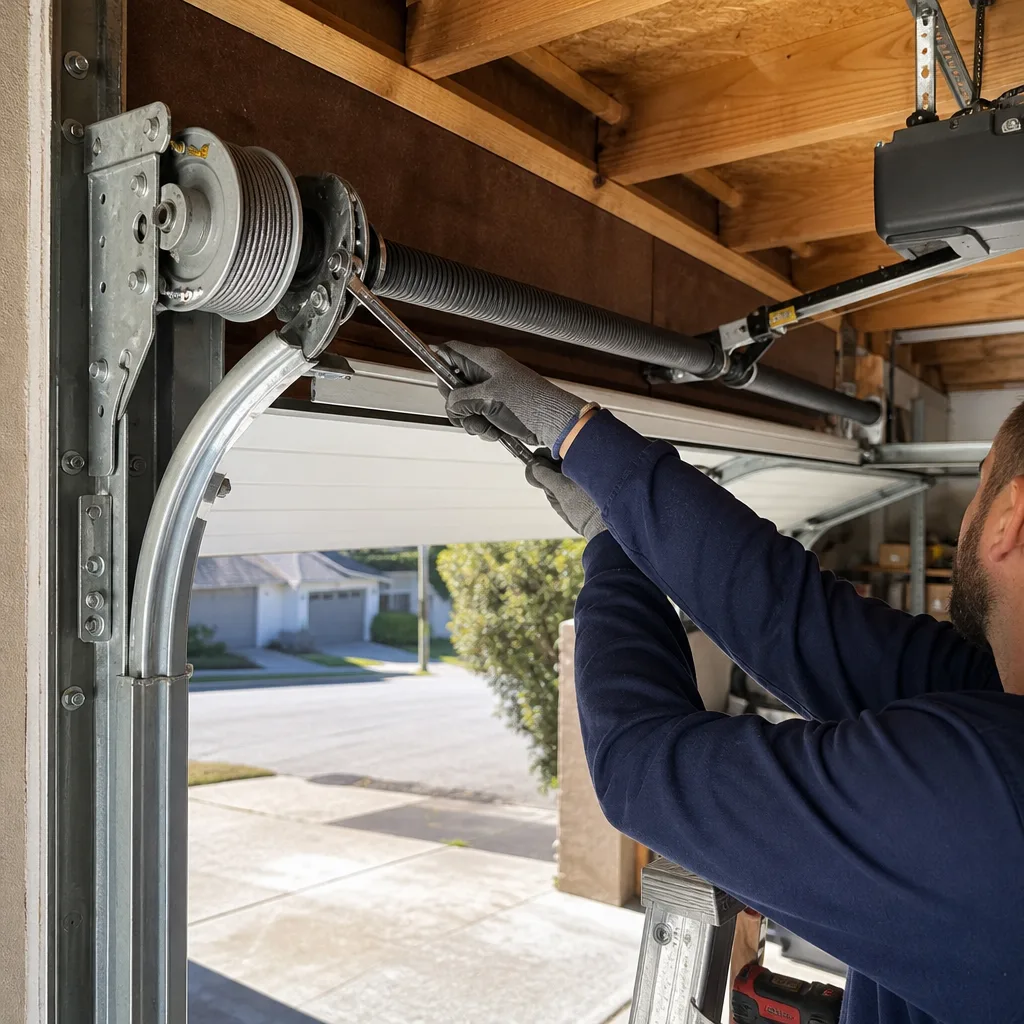 After
AfterReplacement Cost & What’s Included
Raynor weather seal replacement in San Francisco runs $85 to $185 as a complete installed price. The low end covers a seal-only swap when the retainer is straight and intact. The upper end covers a new aluminum retainer plus seal, which is the correct fix when the channel is bent, corroded, or was never correct for the seal that’s in it. We don’t charge separately to haul the old material away, and we don’t inflate the price based on your ZIP code. You’ll get the number in writing before any work starts, exactly as our no-hassle upfront pricing commitment says.
The written guarantee covers the repair for 365 days from the date we complete it. If the seal fails in that window, we come back and make it right at no charge. That’s the Done Right Promise, applied to every weather seal we install in San Francisco.
DIY or Call Us?
Weather seal replacement is one of the safer garage door repairs, and some owners do handle it themselves. If the retainer is in good shape and you know your exact seal type, you can slide the new rubber in with basic tools. The places DIY goes wrong are the ones that matter: selecting the wrong seal profile, forcing it into a damaged retainer, or trimming it too short and leaving the door unsealed at the edges.
The bigger reason to call us is that a failing bottom seal is often the most visible sign of a larger issue. If the door isn’t closing flush because a spring has lost tension or the tracks are out of alignment, a new seal won’t fix the gap. Aaron grew up in the San Gabriel Valley and learned the trade at Los Angeles Trade-Technical College, and the first thing he does on a weather seal call is check whether the door is closing cleanly before the new rubber goes in. If it’s not, you’ll know exactly what’s wrong, what it costs, and what happens next before we touch anything. Call (650) 550-9734 and tell us what the door is doing, or not doing, and we’ll tell you exactly what it needs.
FAQs
Five to seven years is the realistic lifespan near the coast, where salt air, fog, and temperature swings harden rubber faster than in inland cities. In neighborhoods closer to the bay, like the Marina, or within a few blocks of Ocean Beach, expect the shorter end of that range. The seal should be replaced when it feels stiff rather than pliable, even if it hasn’t torn yet.
No. If the rubber is cracked, flattened, or pulled loose, there’s no adhesive that will restore a weathertight seal, and patching a section always leaves a weak joint that fails again. The correct repair is a full-length replacement seal, and that’s the only repair we’ll write a guarantee on.
Most jobs are done in 45 minutes to an hour from the time we arrive. The work involves pulling the old seal, cleaning the retainer channel, cutting the new seal to length, and sliding or pressing it into place. Replacing a damaged retainer adds about 20 minutes. Call (650) 550-9734 to schedule; a live person answers day, night, weekends, and holidays.
Yes. Our trucks carry T-style and bulb-style seals in the common Raynor profiles, plus replacement aluminum retainers. We also stock parts for LiftMaster, Chamberlain, and Genie openers, which often come up on the same service call. Tell us your Raynor model when you call and we’ll confirm the exact seal is on board before the truck rolls.
Written by Aaron Teague, Owner, Doyle Garage Doors San Francisco at Doyle Garage Doors San Francisco, serving San Francisco and nearby areas.