
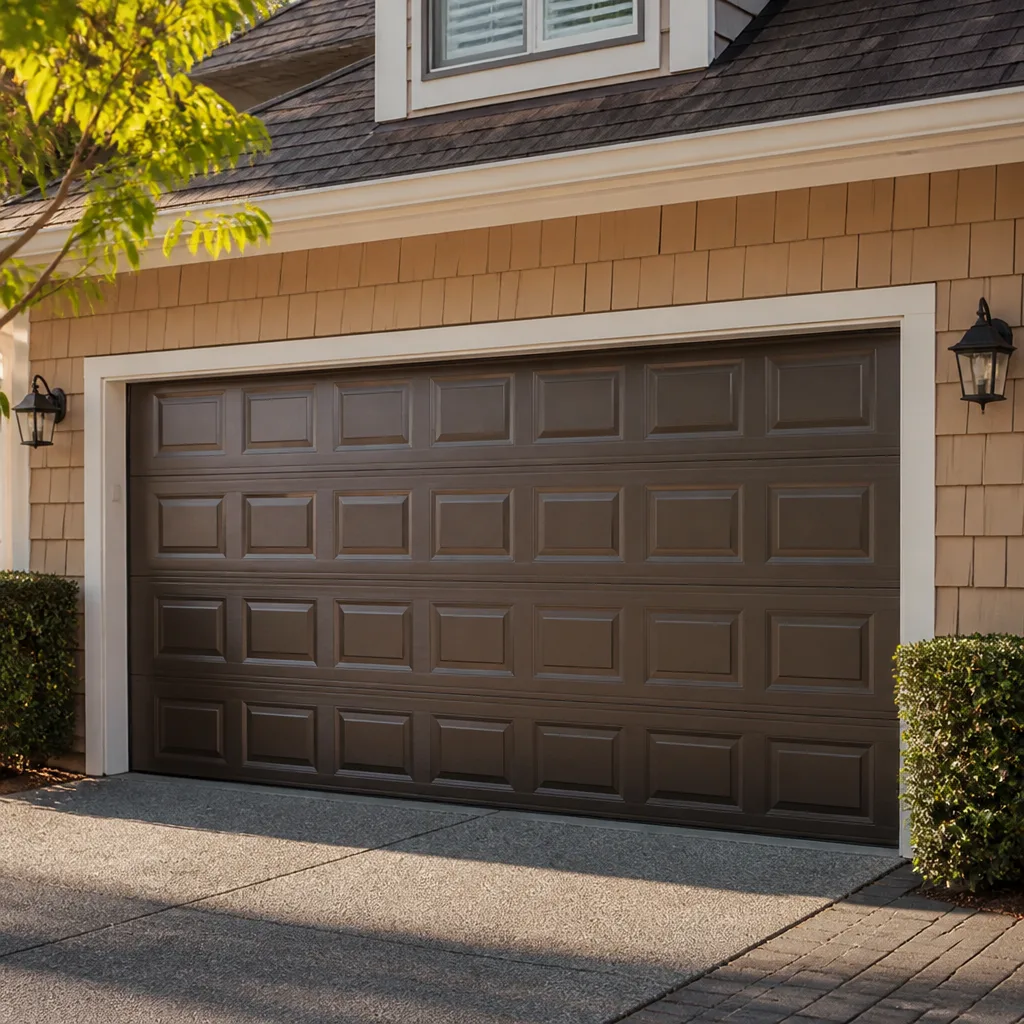
 Raised-panel steel
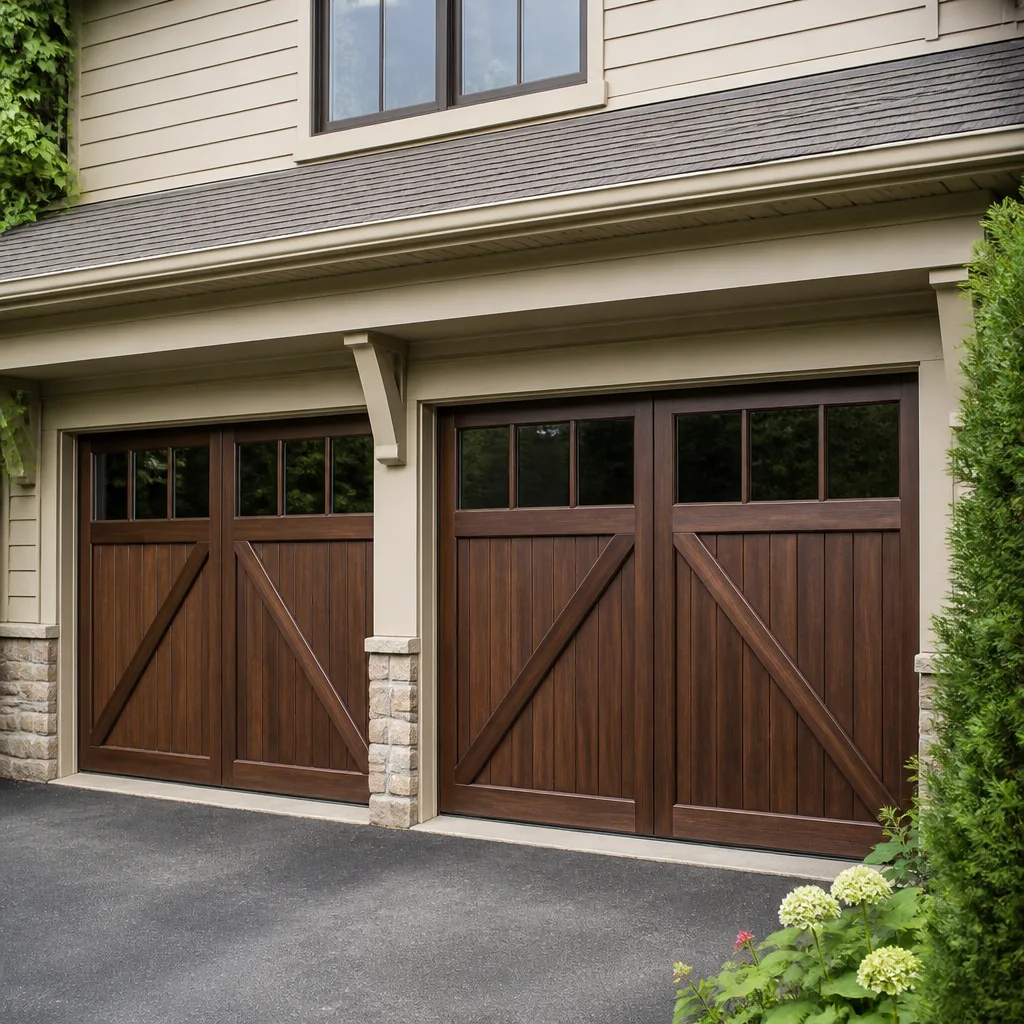 Carriage house
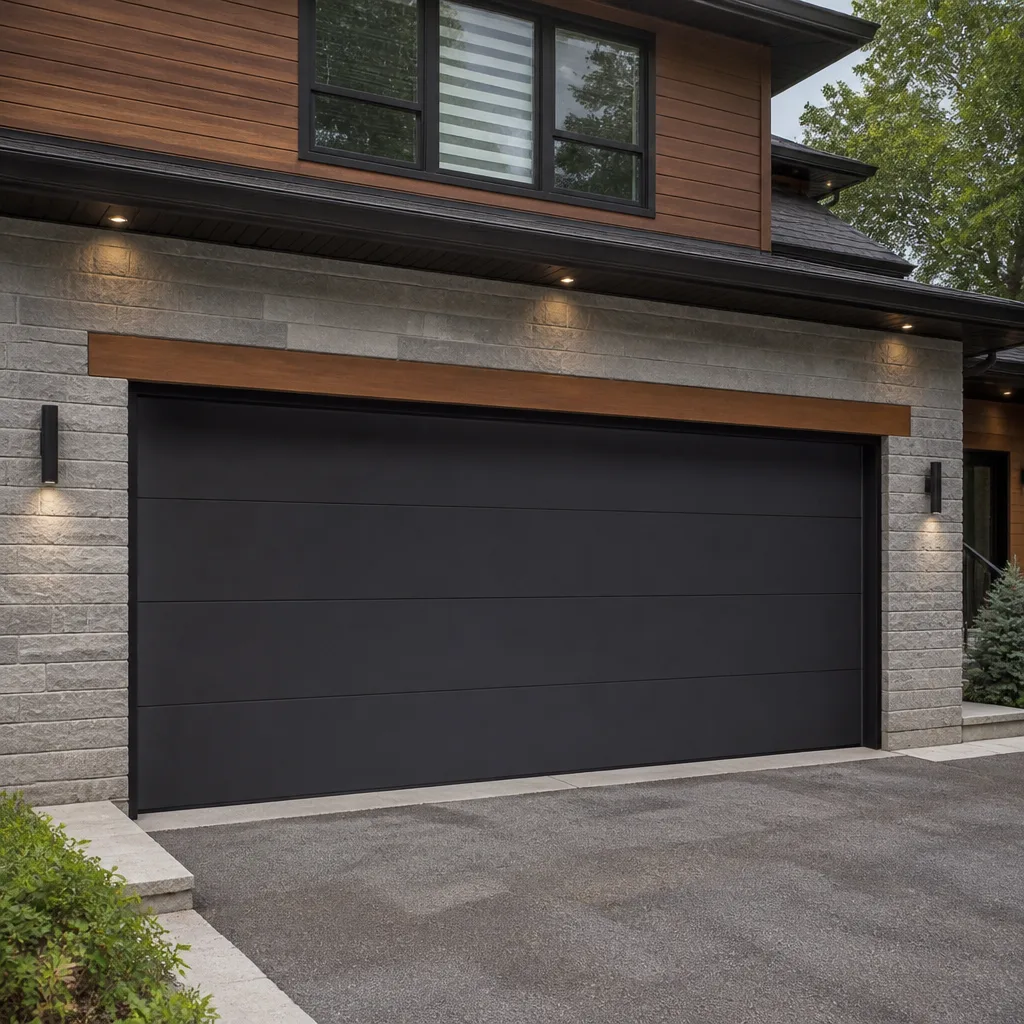 Modern flush
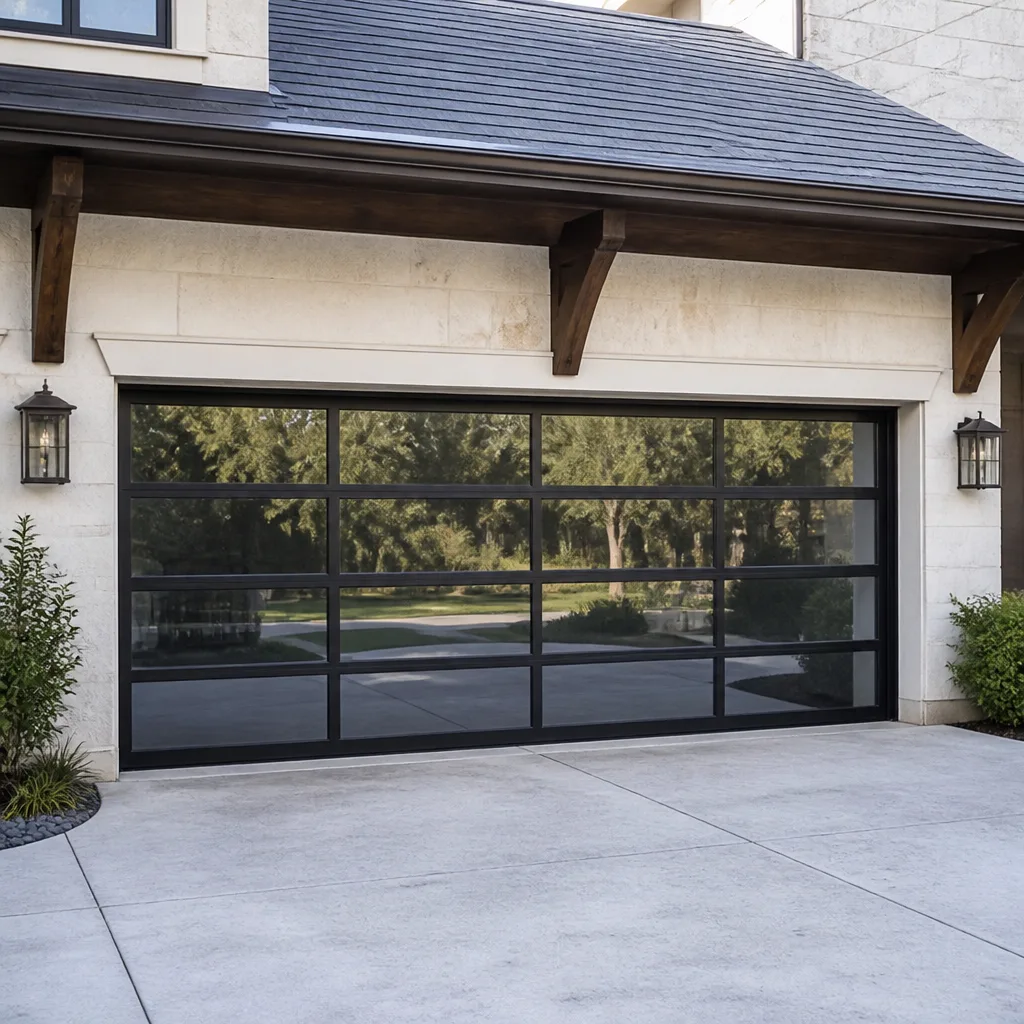 Full-view glass
 LiftMaster openers
 Chamberlain openers
Full 25-point door and opener safety check with every visit - springs, cables, rollers, tracks, and your LiftMaster or Chamberlain opener included
You get a price before we start. It does not change when the truck arrives.
Get your free estimateCraftsman Roller Replacement: The San Francisco Owner’s Guide
Craftsman roller replacement in San Francisco typically costs $130 – $260 installed, and we stock rollers that fit nearly every Craftsman door made since 1990 on our trucks, so most jobs are finished in a single visit. When a roller fails, you’ll usually hear it first: a grinding or scraping sound, a door that shudders on the way up, or a metallic pop followed by the door hanging slightly crooked in the track. We’re Doyle Garage Doors San Francisco, an independent service company that works on Craftsman doors every week, and we’ll walk you through exactly what’s failing, what it should cost, and who’s showing up at your door before they arrive.
Before we get into the details, the short version: if your Craftsman door sounds rough, jerks, or sits uneven, a roller is the most common culprit. We’ll confirm it, show you the worn part, quote you a written price, and have it running quiet again, usually the same day you call.
Which Craftsman Models This Applies To
If you have a Craftsman garage door manufactured since the early 1990s, you’re almost certainly dealing with a standard residential roller spec, but there are a few gotchas that matter. Craftsman didn’t make their own doors; they branded doors built by major manufacturers including Clopay, Amarr, and Wayne Dalton (and, later, Chamberlain-affiliated lines). That means the rollers in your Craftsman door are interchangeable with most common 7/8-inch or 1-inch rollers, but the door’s original builder dictates the exact roller type.
The compatibility detail that trips people up: roller stem diameter. Most residential Craftsman doors use rollers with a 7/16-inch stem, but some heavier 16-foot doors and doors sold in coastal spec (which we see often in the Sunset and Richmond districts) came with 1/2-inch stems. Buy the wrong stem size and the roller slops around in the hinge barrel, wears the hinge oblong, and fails again in months. A second checkable spec: roller wheel diameter. Standard is 2 inches, but some Craftsman low-headroom track kits use 1-3/4-inch wheels, and installing standard 2-inch rollers there causes the door to bind at the top of the radius.
Here’s what we recommend for Craftsman doors specifically: OEM rollers are fine, but they’re not special. Craftsman-branded rollers are standard steel ball-bearing units, often with unsealed bearings that let in salt air and grit. For San Francisco’s climate, we typically install sealed-bearing nylon rollers, which run quieter, don’t corrode, and outlast steel rollers by a factor of two to three in coastal neighborhoods. If you want OEM-equivalent, we can do that too. The right call depends on your door, its age, and where in the city you live.
Styles & brands we work with
Signs Your Craftsman Roller Replacement Is Failing
A failing roller announces itself. Here are the five symptoms we see most on Craftsman doors across San Francisco, and what’s actually causing each one:
- Grinding or scraping during operation. This is the bearing inside the roller wheel breaking down. The wheel isn’t rolling anymore; it’s dragging against the track. Left alone, it gouges the track and turns a $130 – $260 roller replacement into a track realignment too.
- The door shudders or vibrates on the way up. A flat spot worn into the roller wheel causes the door to catch and release rhythmically. You’ll feel it in the wall if the opener is mounted to the ceiling joists.
- A loud metallic pop, then the door hangs crooked. That’s usually the roller stem snapping or the wheel separating from the stem entirely. The door is now supported unevenly, and continuing to run it will bend the track and strain the hinges.
- One side of the door sits lower than the other when closed. A seized roller doesn’t turn at all; it just slides, and the door rides down unevenly. If you look at the gap under the door, one side will be snug and the other will have daylight.
- A squeal that gets worse over a few weeks. Unsealed roller bearings lose their grease from a combination of use, moisture, and temperature swings. The squeal is dry metal on metal, and it’s a countdown, not a quirk.
If you’re hearing or seeing any of this, stop running the door and call us at (650) 550-9734. Every cycle you put on a failed roller accelerates the damage to the track, the hinges, and sometimes the opener itself.
Replacement Cost & What’s Included
In San Francisco, Craftsman roller replacement runs $130 – $260 installed. The range is driven by three things: how many rollers you’re replacing, whether we’re upgrading you to sealed-bearing nylon or staying with steel OEM-equivalent, and whether your door needs any hinge or track correction because the old roller was run past its failure point.
What’s included in that number, every time:
- All replacement rollers, matched to your door’s stem and wheel specs, installed by hand, not gimmicked.
- Bearing lubrication of the new rollers and a quick check of the remaining rollers for early wear.
- A written price before a single bolt is touched, so you know exactly what you’re approving.
- Our 365-Day Done Right Promise: if any roller we install fails within 365 days of the repair date, we come back and make it right at no charge. No fine print, no argument required.
Aaron Teague is the owner behind that guarantee, and it’s been the same wording since we started doing this work in the Bay Area: 365 days from the date of repair, if it fails, we’re back at no charge. That’s the only way a written guarantee means anything.
See the difference
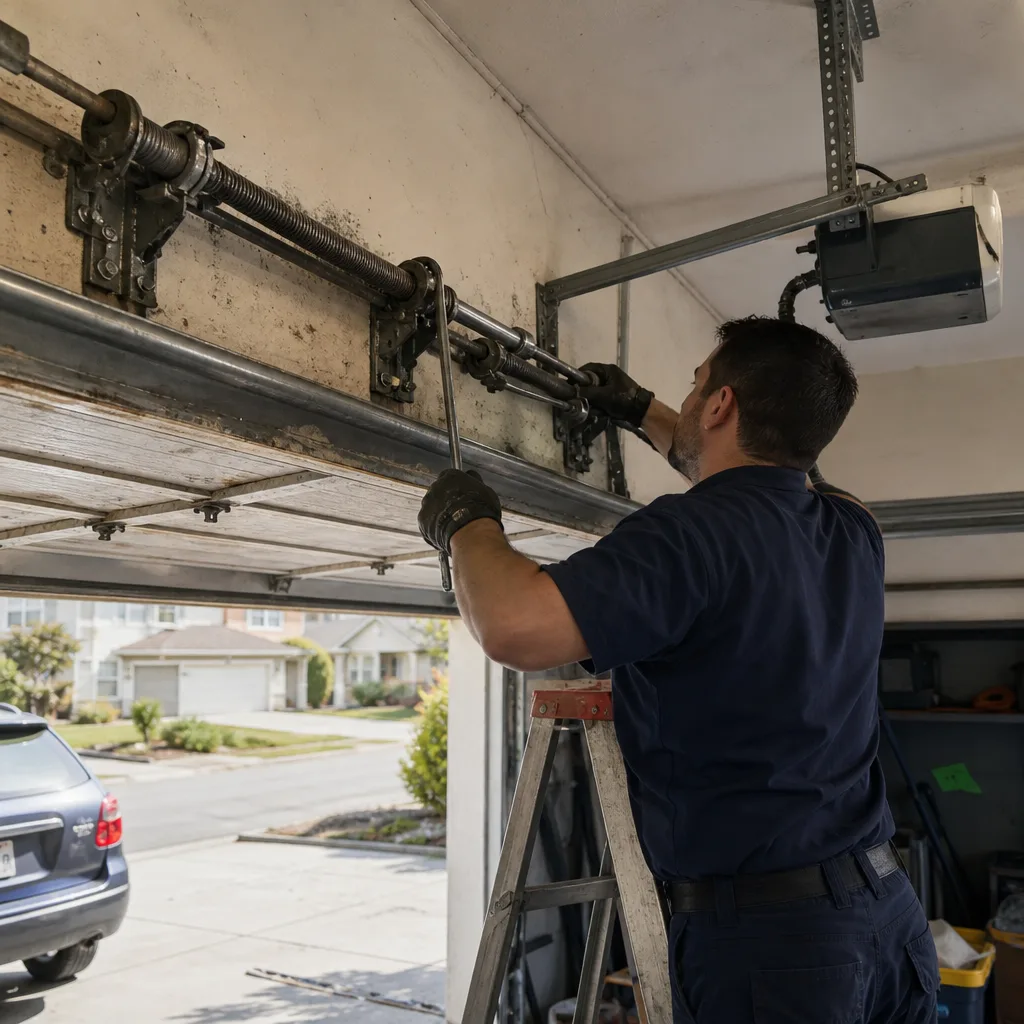 Before
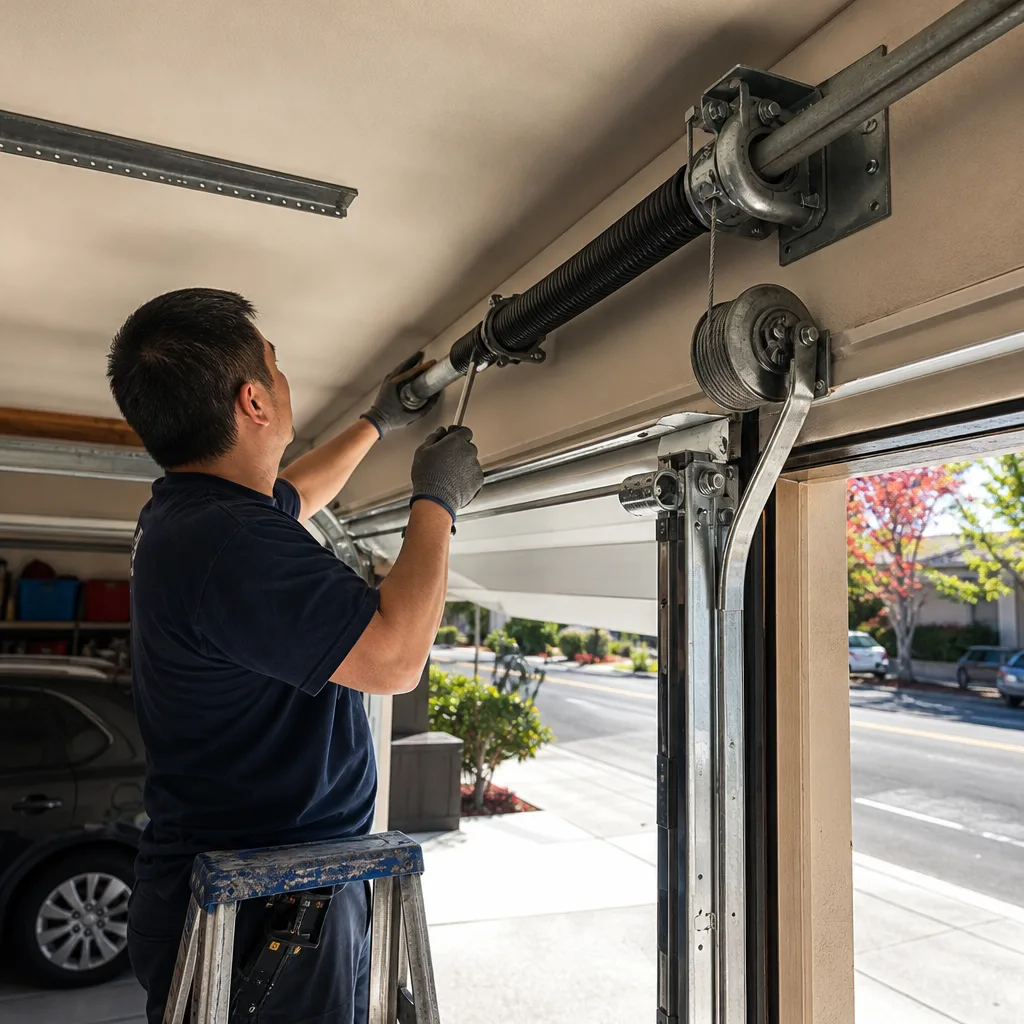 After
After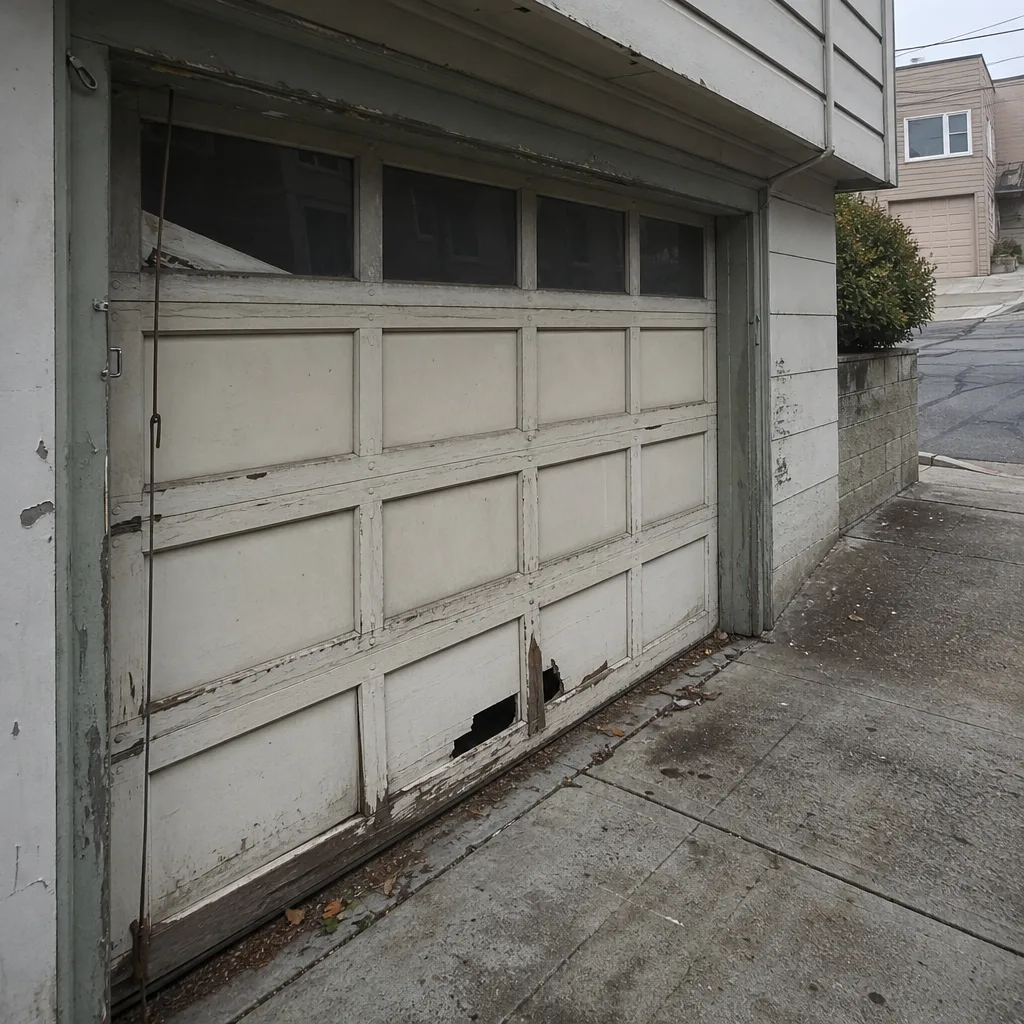 Before
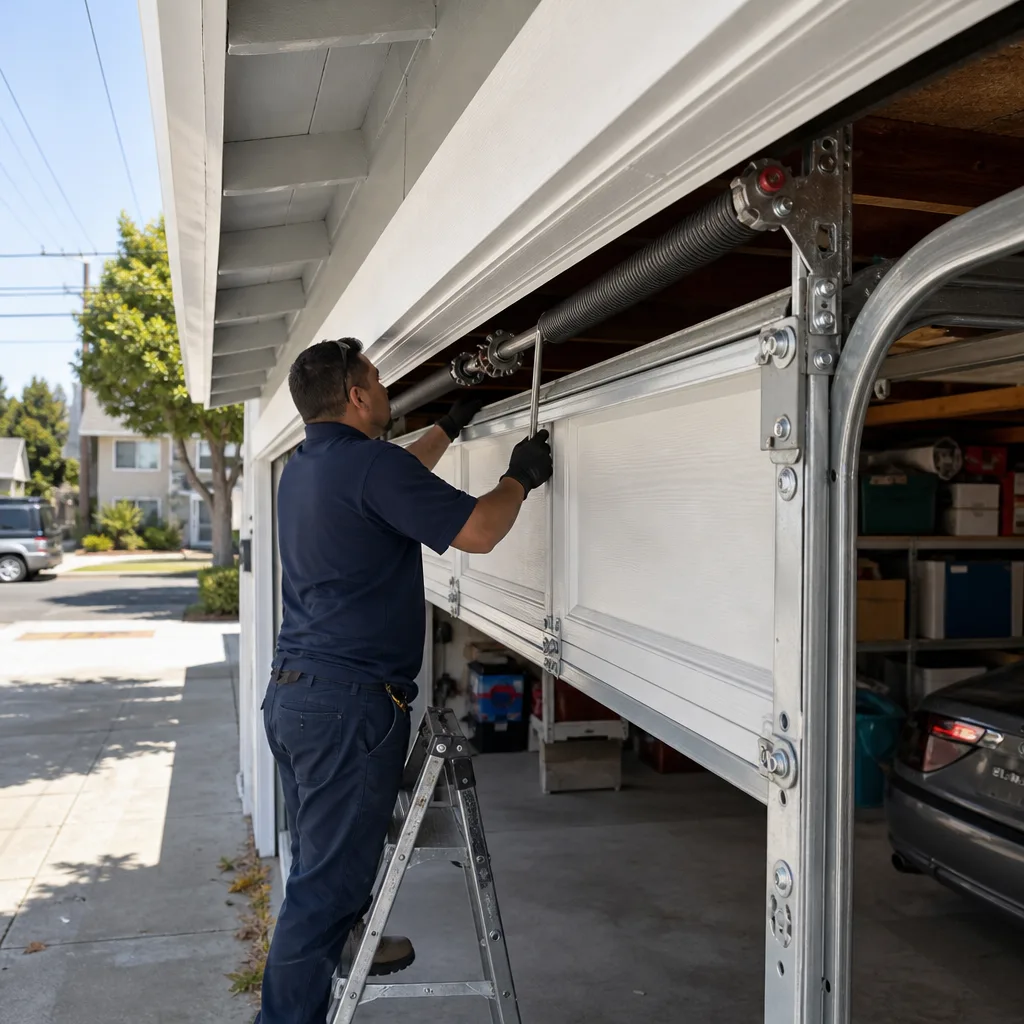 After
After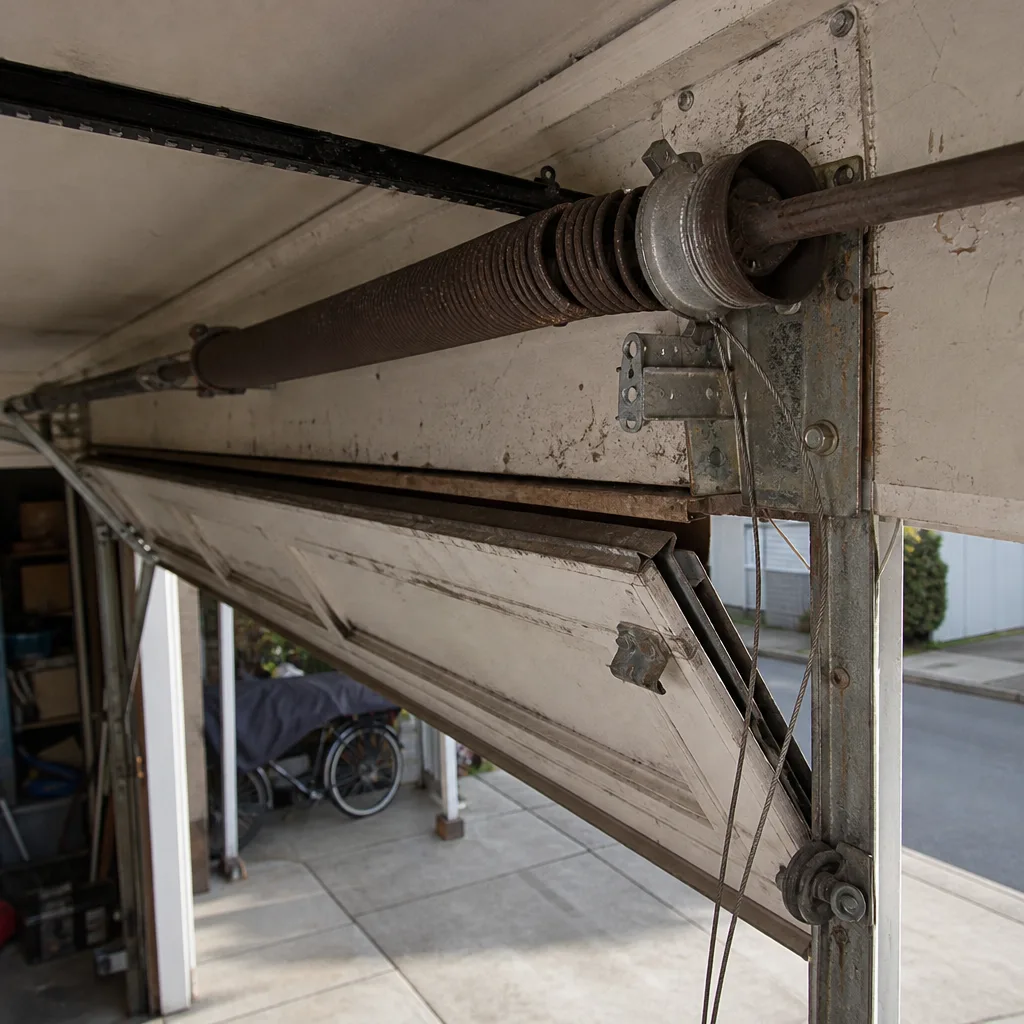 Before
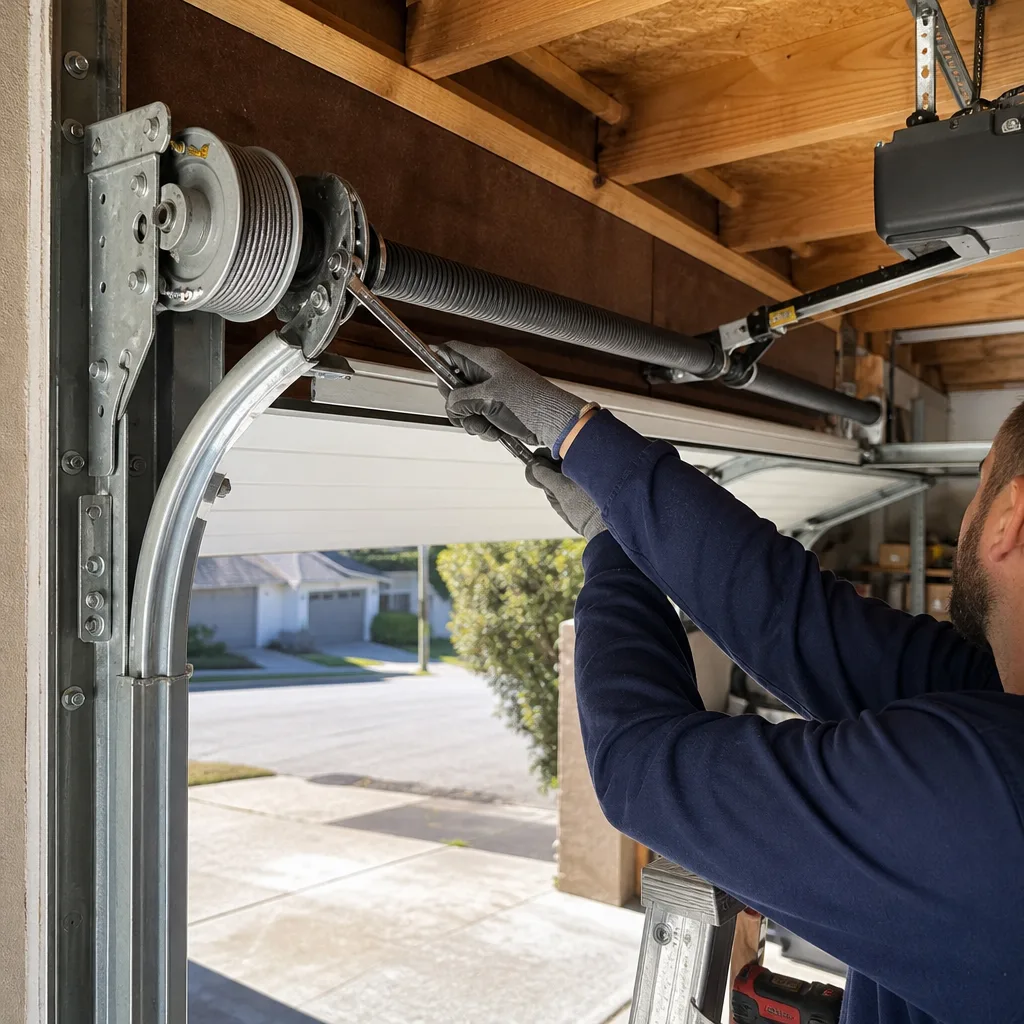 After
AfterDIY or Call Us?
Rollers themselves aren’t under dangerous tension the way torsion springs are, and there’s one thing you can safely check: look at the roller wheel itself. If the wheel is cracked, chipped, or has visible flat spots, it’s done. You don’t need to touch anything to see that.
Here’s where DIY goes wrong on a Craftsman door. The bottom roller on each side sits in a bracket that’s bolted to the bottom section and handles significant door weight. When a DIYer tries to pop that roller out without releasing tension from the cables, the bracket can flex, the door can shift, and a finger or hand ends up where it shouldn’t. We’ve also seen homeowners swap in a roller with the wrong stem size because the package said “universal.” It isn’t. If you’ve confirmed the roller is bad, call us at (650) 550-9734. We’ll match the part, do the swap, and you won’t be standing on a ladder wondering if you bought the right thing.
FAQs
Original steel rollers on a Craftsman door typically last 7 to 10 years in San Francisco, but in fog-heavy neighborhoods like the Sunset, Richmond, and Lake Merced areas, unsealed bearings often fail in 5 to 7 years due to moisture and salt air. Sealed-bearing nylon rollers we install typically last 15 to 20 years. If your door is older than that and you’re hearing grinding, it’s time. Call (650) 550-9734 and we’ll give you an honest read on whether you need rollers only or a fuller tune-up.
No. Once a roller’s bearing is worn, the wheel is damaged, or the stem is bent, there’s no repair that restores it. Rebuilding a sealed bearing isn’t practical, and a damaged wheel will keep eating the track. Replacement is the only correct fix, and it’s less expensive than the track damage a bad roller will cause. Call (650) 550-9734 and we’ll quote you a written price before any work starts.
Replacing a full set of rollers on a Craftsman door takes about 45 to 90 minutes once we’re on site, depending on whether you have one or two doors and whether any hinges need attention. We carry the common Craftsman roller sizes on the truck, so in most cases there’s no second trip. If you need us today, call (650) 550-9734, a live person answers 24/7, day, night, weekend, or holiday.
We stock rollers compatible with Craftsman doors on our trucks, including the common 7/16-inch and 1/2-inch stem sizes and both steel and sealed-bearing nylon wheel options. For doors with unusual specs like low-headroom track, we may need to pull a specific set, but we can usually have it in hand the same day. Call (650) 550-9734 and tell us your door’s symptoms; we’ll confirm what we’re bringing before we head out.
Call Before the Grind Becomes a Track Problem
A Craftsman roller replacement in San Francisco is one of the more affordable garage door repairs, but only if you catch it before the failed roller has carved up your track. If you’re hearing grinding, squealing, or a door that shudders, call (650) 550-9734. Aaron Teague will tell you what it’s doing or not doing, and we’ll tell you exactly what it needs. You’ll get a written price before work starts, a 365-day written guarantee on the repair, and the name and photo of your technician before they arrive. We also carry parts for LiftMaster, Chamberlain, and Genie doors, but if it’s a Craftsman on the rails, we’ll have the right rollers on the truck.
Written by Aaron Teague, Owner, Doyle Garage Doors San Francisco at Doyle Garage Doors San Francisco, serving San Francisco and nearby areas.