
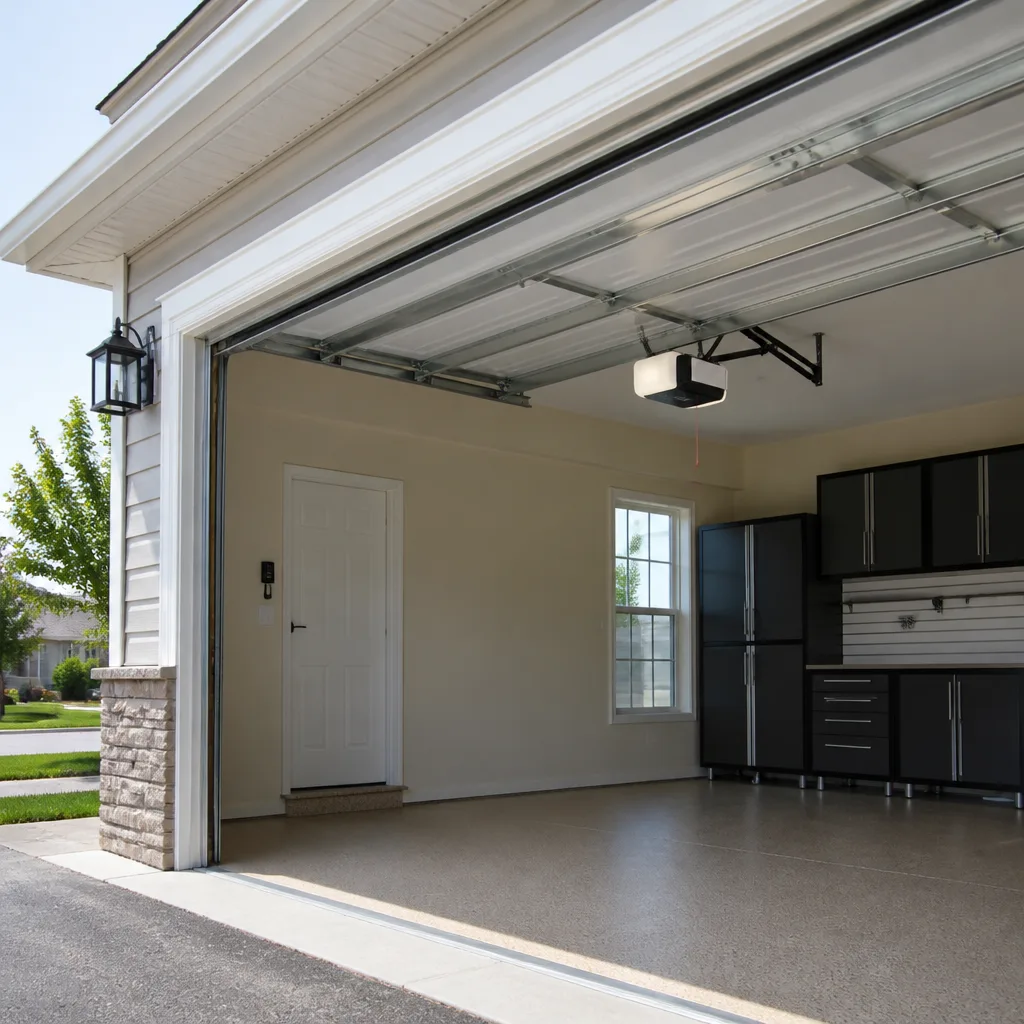
 LiftMaster openers
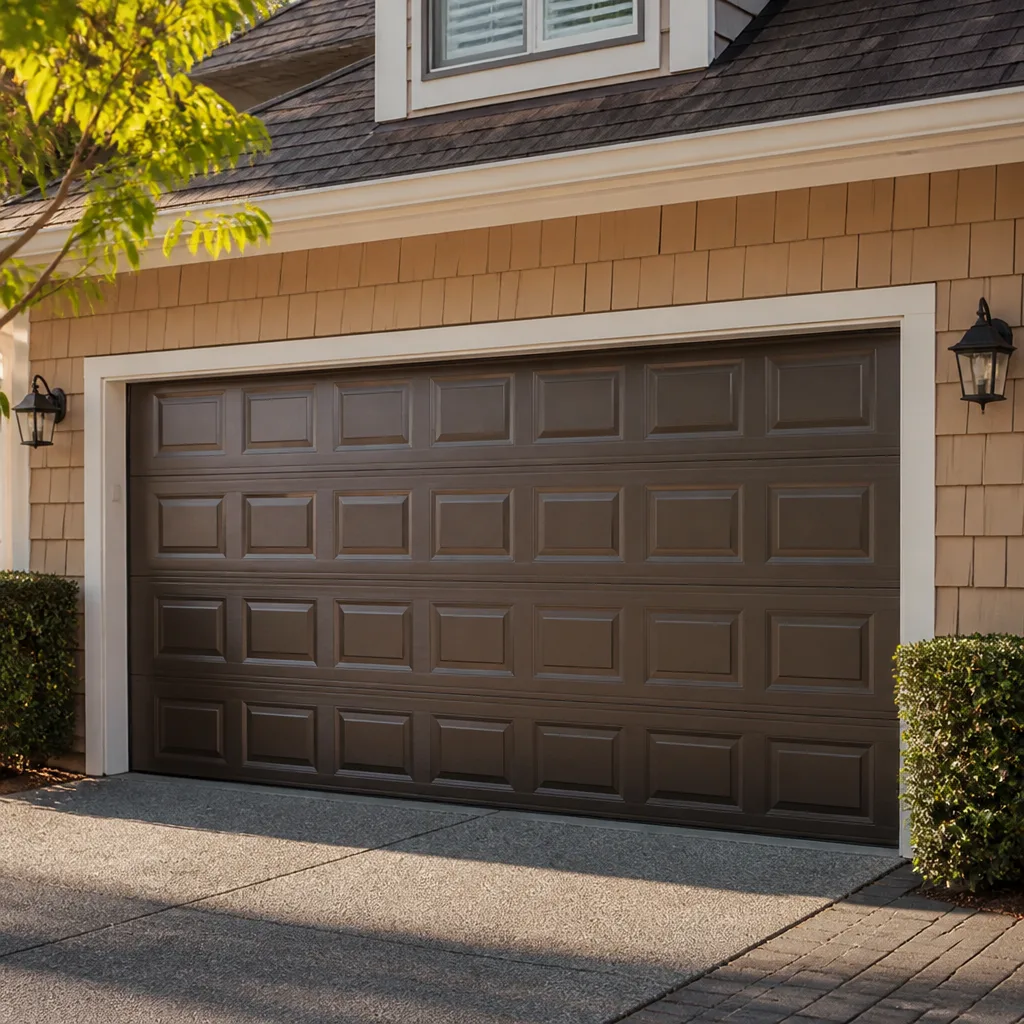 Raised-panel steel
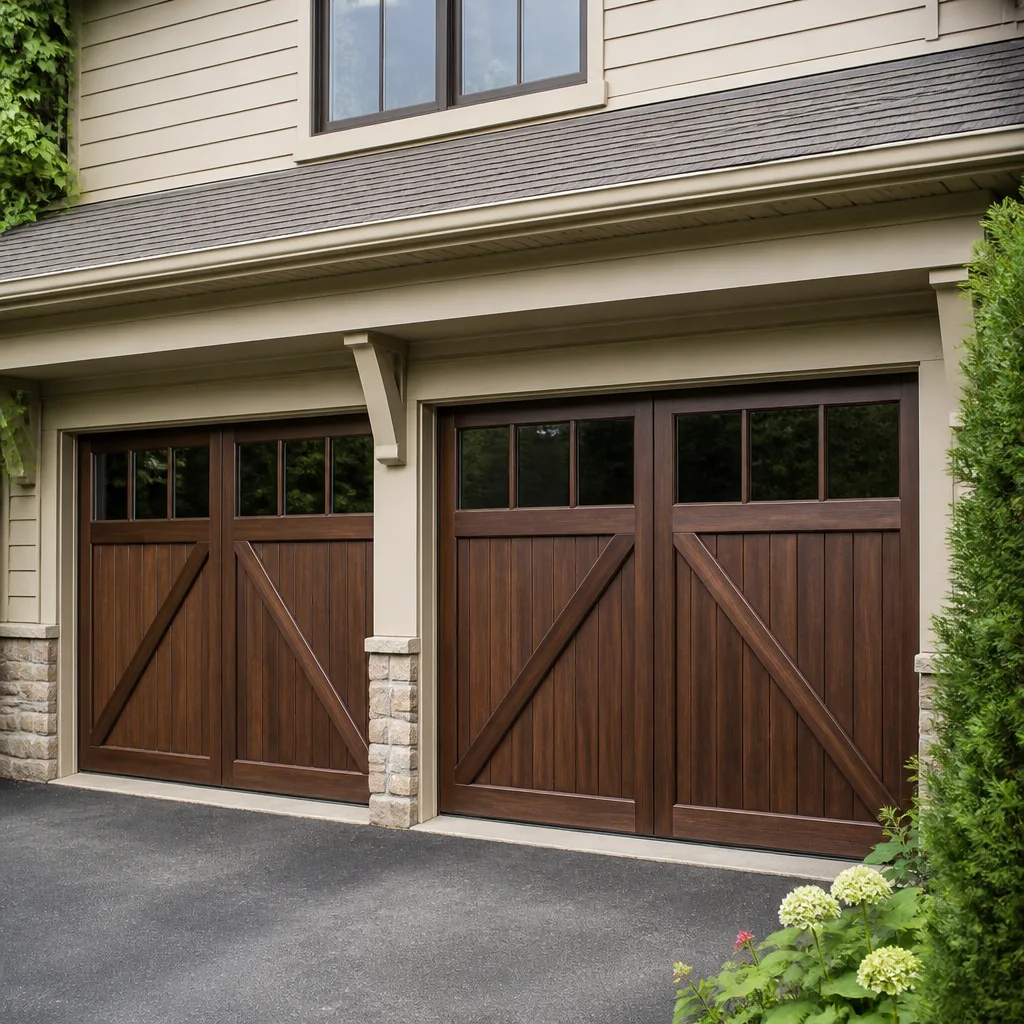 Carriage house
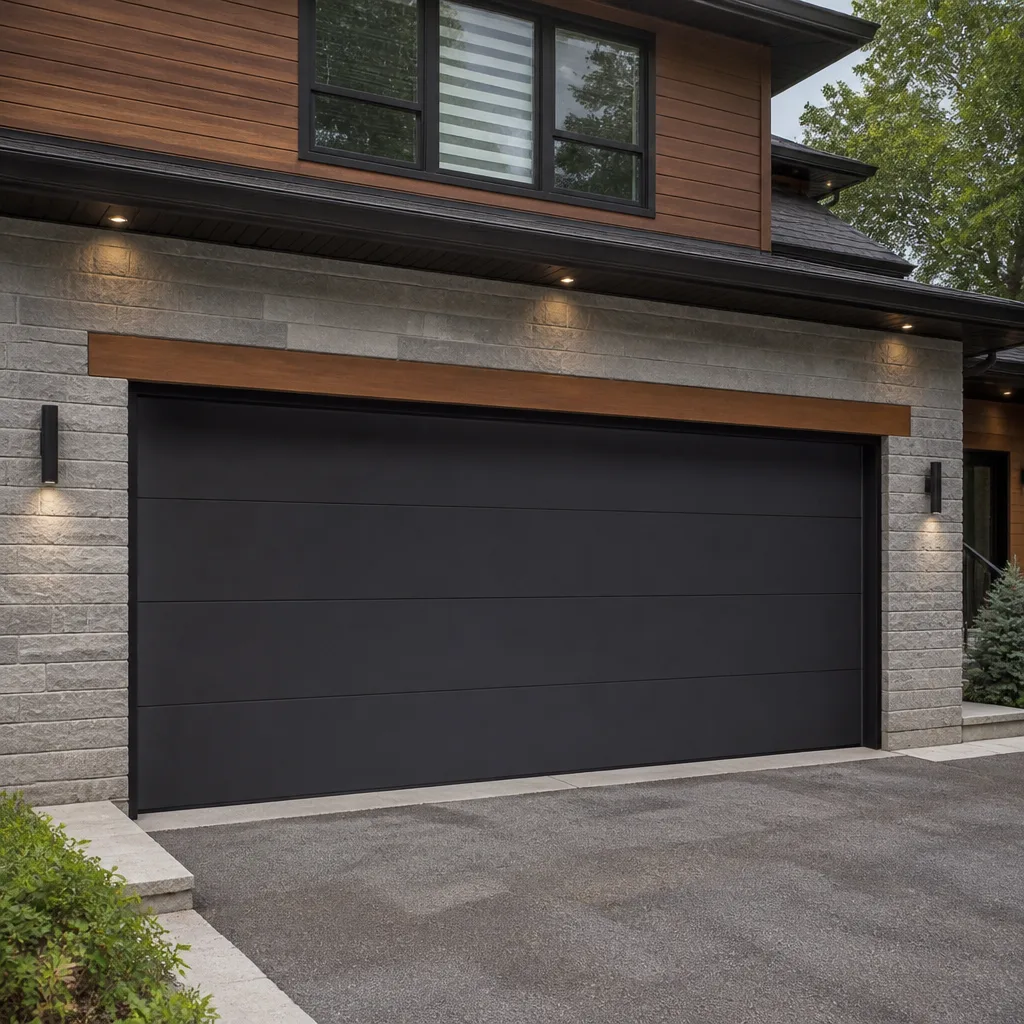 Modern flush
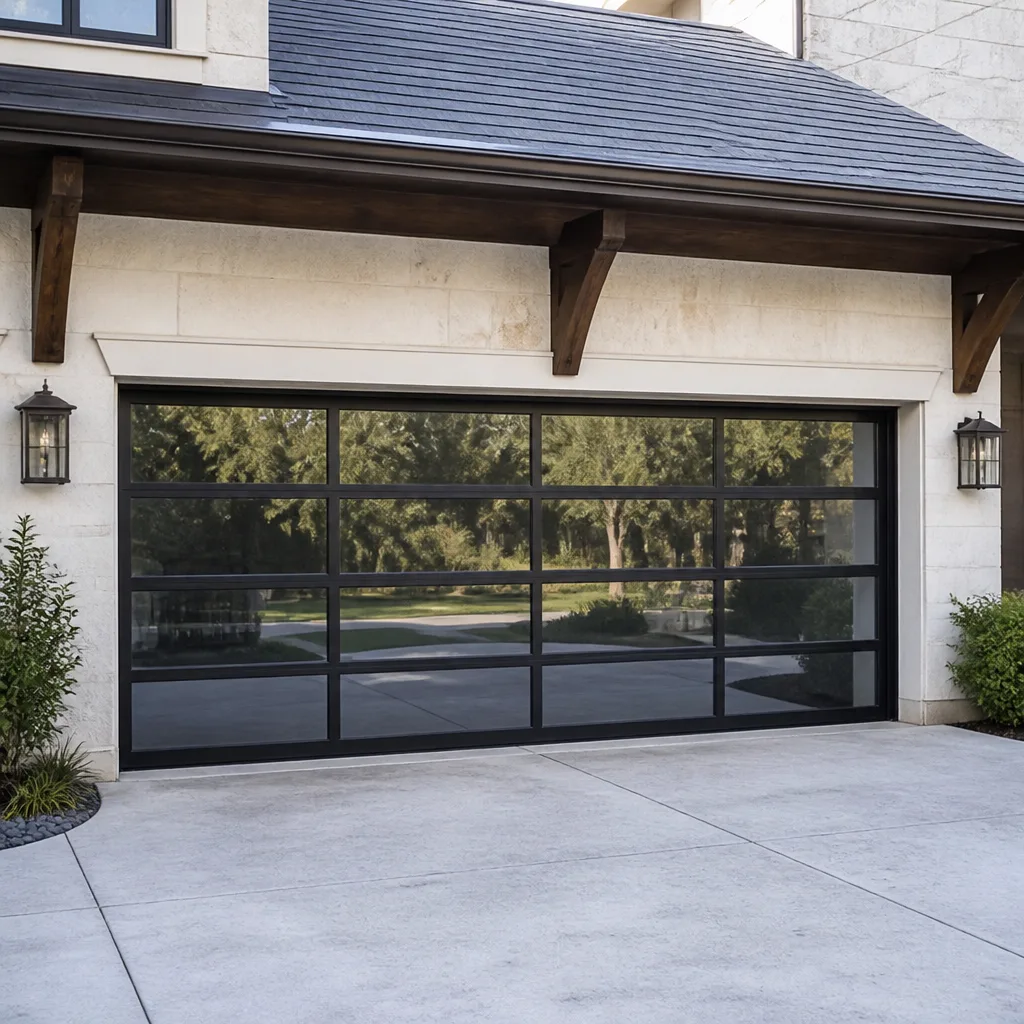 Full-view glass
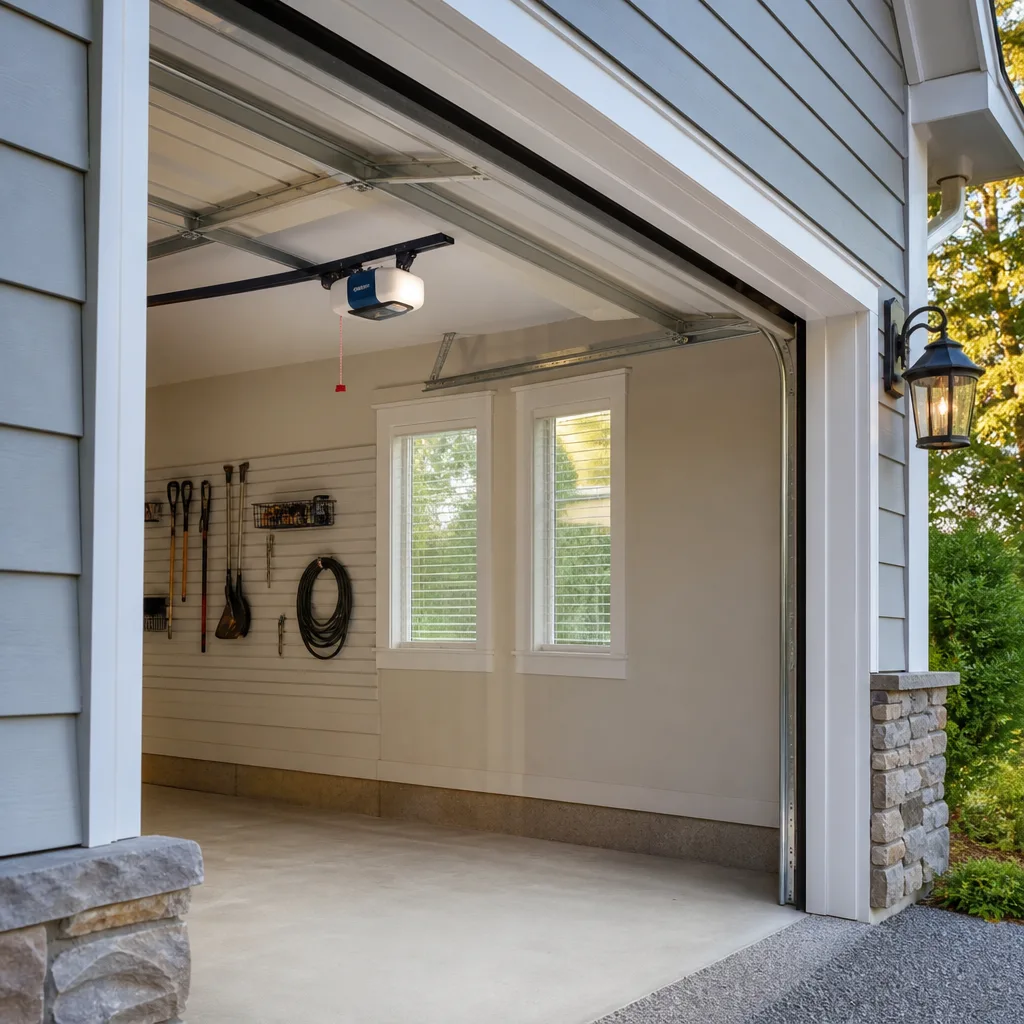 Chamberlain openers
Full 25-point door and opener safety check with every visit - springs, cables, rollers, tracks, and your LiftMaster or Chamberlain opener included
You get a price before we start. It does not change when the truck arrives.
Get your free estimateLiftMaster Garage Door Repair in San Francisco: What to Know First
LiftMaster garage door repair in San Francisco typically runs $175 to $710 depending on whether the failure is in the opener head, the spring system, or the panel assembly, with most jobs completed same-day when parts are on the truck. Doyle Garage Doors San Francisco is an independent LiftMaster service provider, not a manufacturer-authorized dealer, which means we repair every LiftMaster line without the pressure to sell you a replacement unit. If your LiftMaster opener hums, grinds, reverses mid-cycle, or refuses to move at all, call (650) 550-9734 and a live person answers, day or night, weekends included.
This page covers what actually fails on LiftMaster equipment in San Francisco’s specific climate and housing stock, what the work costs, and how our process keeps you informed before any money changes hands. We’ve been doing this since 2001. Aaron Teague, our owner, wrote this based on two decades of hands-on repair work. Tell me what it’s doing – or not doing – and I’ll tell you exactly what it needs.
Key Takeaways
- Most LiftMaster repair jobs in San Francisco run $175 – $710, with springs ($210 – $400) and opener motors ($140 – $380) being the two most common line items.
- LiftMaster’s Security+ 2.0 protocol means a failed opener often requires a matching OEM logic board, not a universal replacement, if you want your existing remotes and keypad to keep working.
- San Francisco’s fog and salt air accelerate corrosion on LiftMaster’s exposed trolley rails and spring coils, even indoors. We inspect for this on every job in the Sunset, Richmond, and Presidio districts.
- Every repair comes with a written price before work starts and a 365-day written guarantee. That’s stated in writing on the invoice, not implied by a handshake.
How LiftMaster Products Fail – and How We Fix Them
What makes LiftMaster different from Chamberlain and Genie isn’t the motor technology; it’s the control logic and the physical tolerances. LiftMaster designs its openers around tighter limits and proprietary communication, which means symptoms often show up differently. Here are the five failures we see most on our San Francisco calls.
- Security+ 2.0 logic board failure in the 8500 / 8500W wall-mount series. The opener suddenly stops responding to all remotes and the keypad, but the motor still runs when you hold the wall button manually. This is almost always the receiver board, which is more sensitive to voltage dips from PG&E than older models. We replace with a genuine LiftMaster OEM board so your existing remotes, keypad, and MyQ integration keep working without re-programming everything.
- Trolley carriage wear on the 8160 / 8360 belt-drive models. The door opens halfway, shudders, and stops or reverses. The carriage teeth that grip the belt have stripped because the tensioner was set slightly off spec at install, a problem compounded by thermal expansion in uninsulated garages during San Francisco’s cold mornings. The fix is a new carriage assembly and a belt tension re-set, which takes about 45 minutes.
- RPM sensor false-shutdowns on the 8550 / 8587 series. The opener thinks something is blocking the door when there isn’t. On these models, the RPM sensor is more prone to reading false resistance from dry ball bearings in the garage door rollers it’s lifting. We replace the rollers (usually $130 – $260 for the full set) before touching the opener, and the shutdowns stop.
- Gear and sprocket wear on the chain-drive 8165 and older 3800 series. You hear the motor run but the sprocket just spins and the door doesn’t move. This is the classic stripped gear. LiftMaster uses a sacrificial nylon gear to protect the motor; once it goes, it needs replacing before it eats the worm shaft. We stock OEM gears for both models and can replace them without swapping the whole opener.
- Photo-eye signal interference on LiftMaster units paired with older Chamberlain remotes. The opener doesn’t recognize the sensors’ signal and the door refuses to close. In openers manufactured after 2018, LiftMaster changed the sensor’s modulation slightly, and older Chamberlain remotes can confuse the logic on a fresh install. We don’t patch this with electrical tape over the sensors; we replace the sensors with new LiftMaster units and the problem goes away for good.
One thing we see a lot in San Francisco specifically: LiftMaster’s torsion springs (the heavy coil mounted above the door that does most of the lifting) are manufactured with oil-tempered steel, and in the salt air of the outer neighborhoods, especially the Sunset, they can develop surface rust that weakens the coil years before the rated cycle count. If your LiftMaster door is near the ocean and the spring looks rusty, it’s worth having it tested before it snaps. A snapped torsion spring is dangerous. Do not attempt to remove or replace it yourself; call a trained professional who carries the right winding bars and knows the torque spec for your spring size.
Styles & brands we work with
Our LiftMaster Garage Door Repair Process
Every LiftMaster job follows the same sequence, whether it’s a simple sensor issue or a complete opener replacement.
- 1
You call (650) 550-9734. A live person answers; you tell them what the door is doing (or not doing). We schedule a visit and send you the technician’s name and photo before they arrive.
- 2
On-site diagnosis. The tech shows a photo ID badge at the door, then tests the opener, springs, rollers, tracks, and sensors to isolate the failure. No diagnostic fee if you proceed with the repair; otherwise a flat trip charge applies.
- 3
Written price, every time. The tech hands you a written quote before any work begins. No verbal estimates, no surprises at the end. The price you see is the price you pay.
- 4
Parts decision. For logic boards, sensors, and gear assemblies on LiftMaster’s Security+ 2.0 systems, we recommend OEM parts for compatibility. For mechanical parts like torsion springs, cables, and rollers, we use top-tier aftermarket components that meet or exceed factory spec, often at a lower cost.
- 5
The repair. The tech completes the work, tests the full open-close cycle at least three times, calibrates travel limits, and verifies force settings meet LiftMaster’s safety specs. Then the tech walks you through what was done in plain language, no jargon left unexplained.
- 6
Written 365-day guarantee. Before we leave, you get a written guarantee: 365 days from the date of repair. If anything fails, we come back and make it right at no charge. That’s not a sales promise; it’s on the invoice.
See the difference
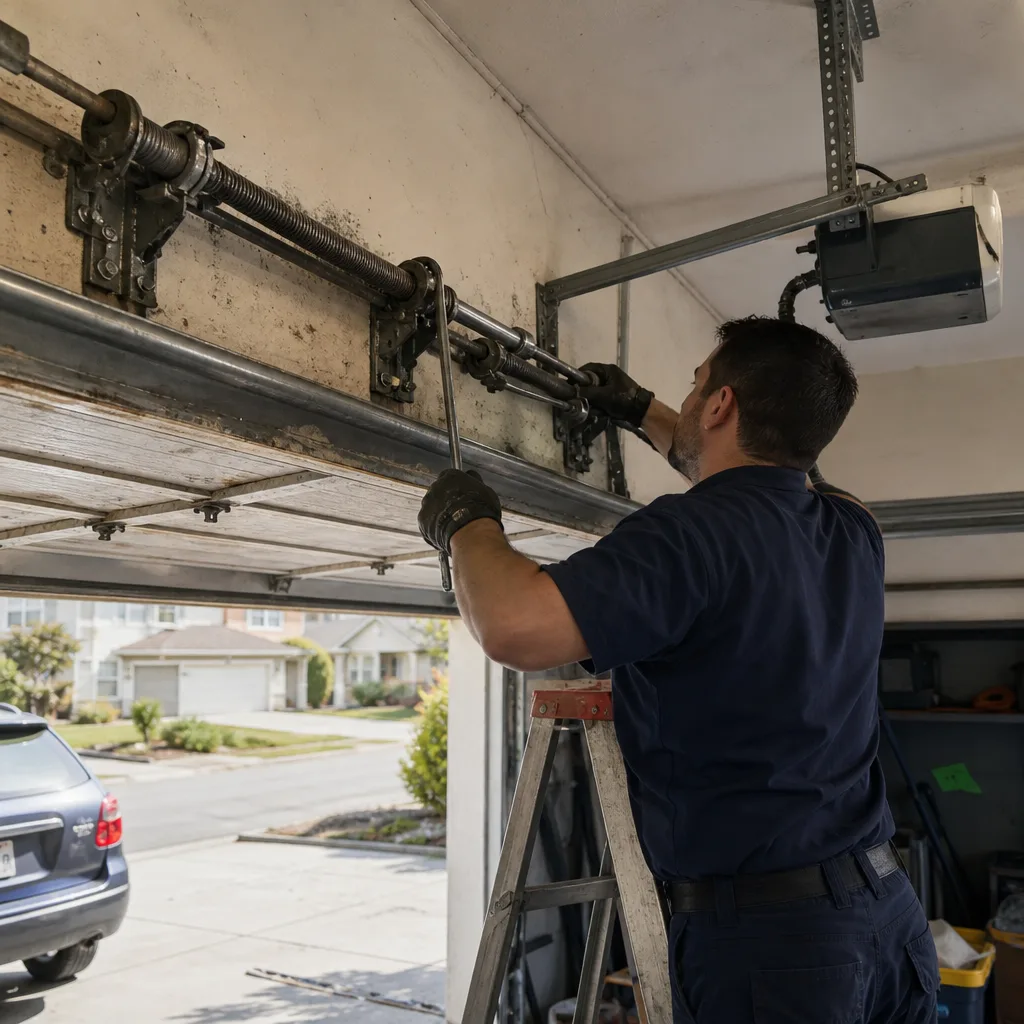 Before
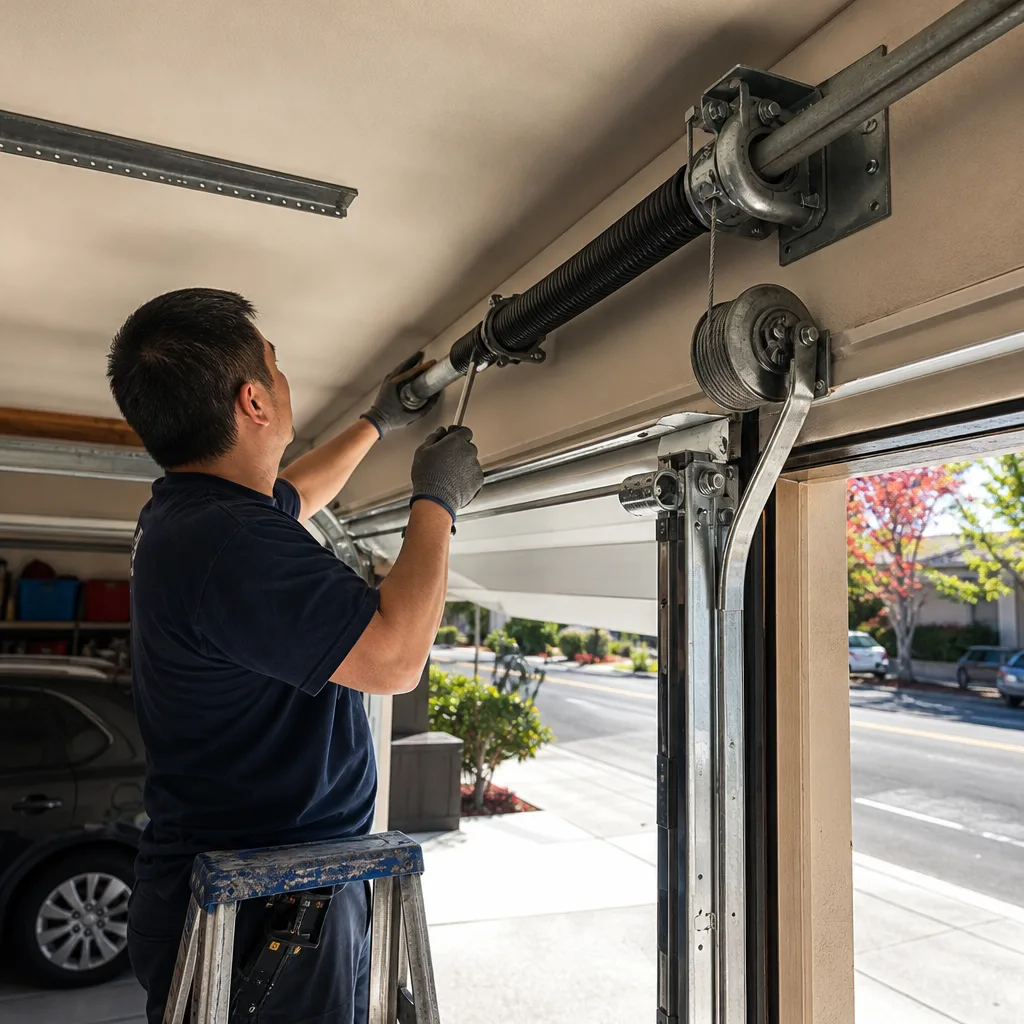 After
After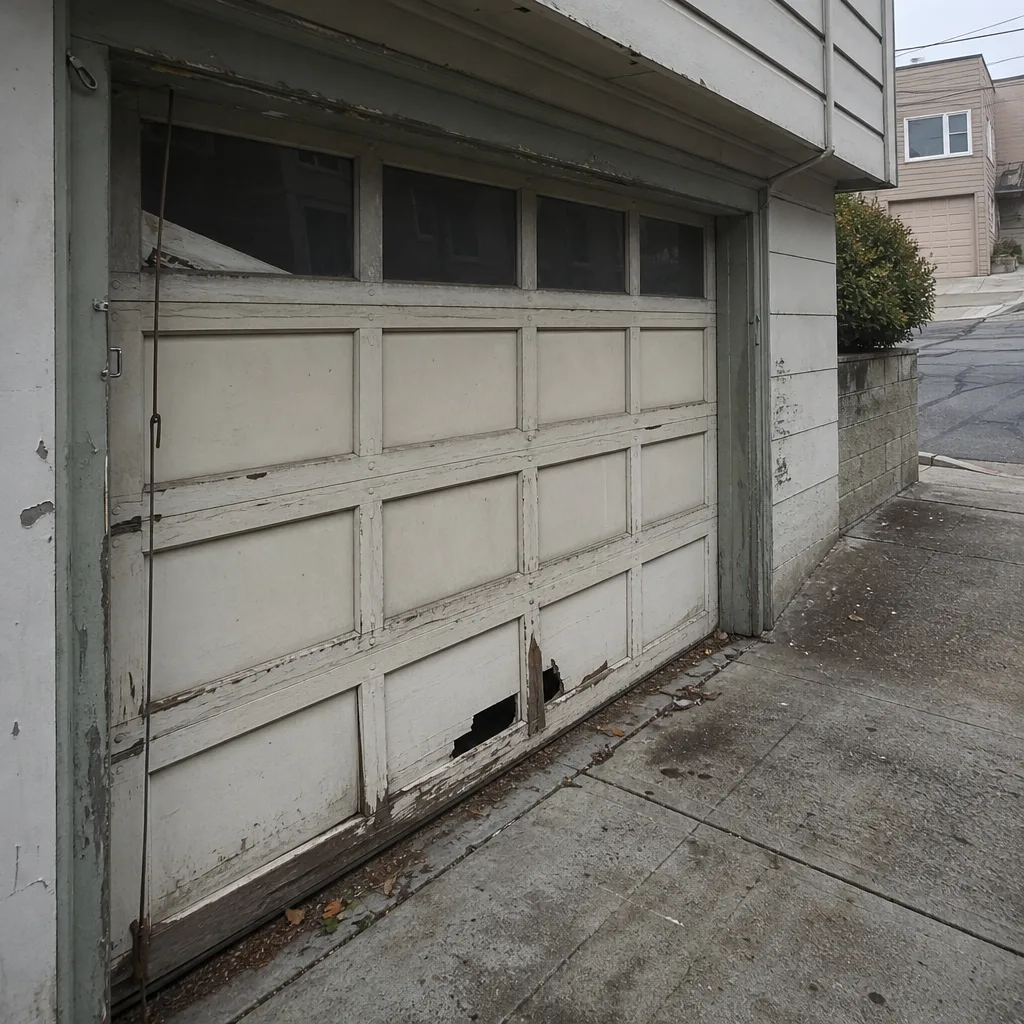 Before
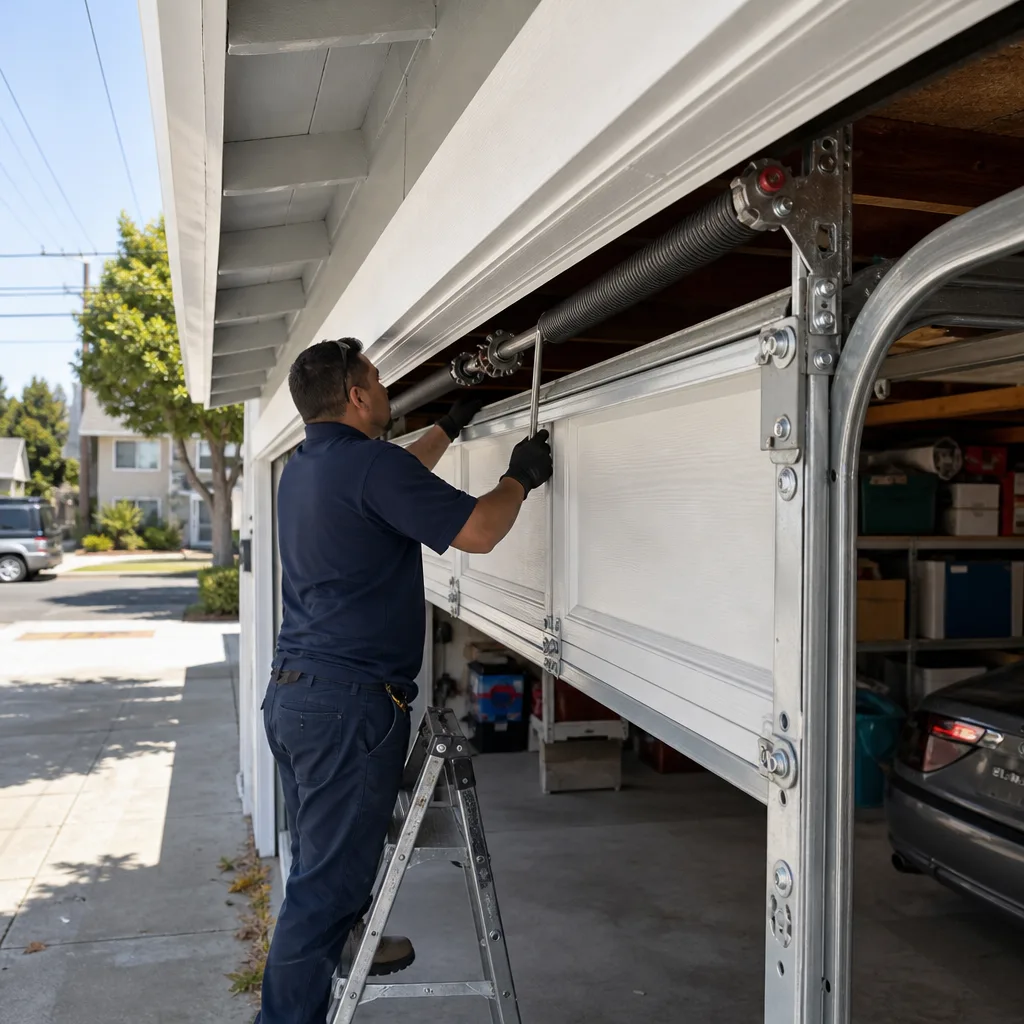 After
After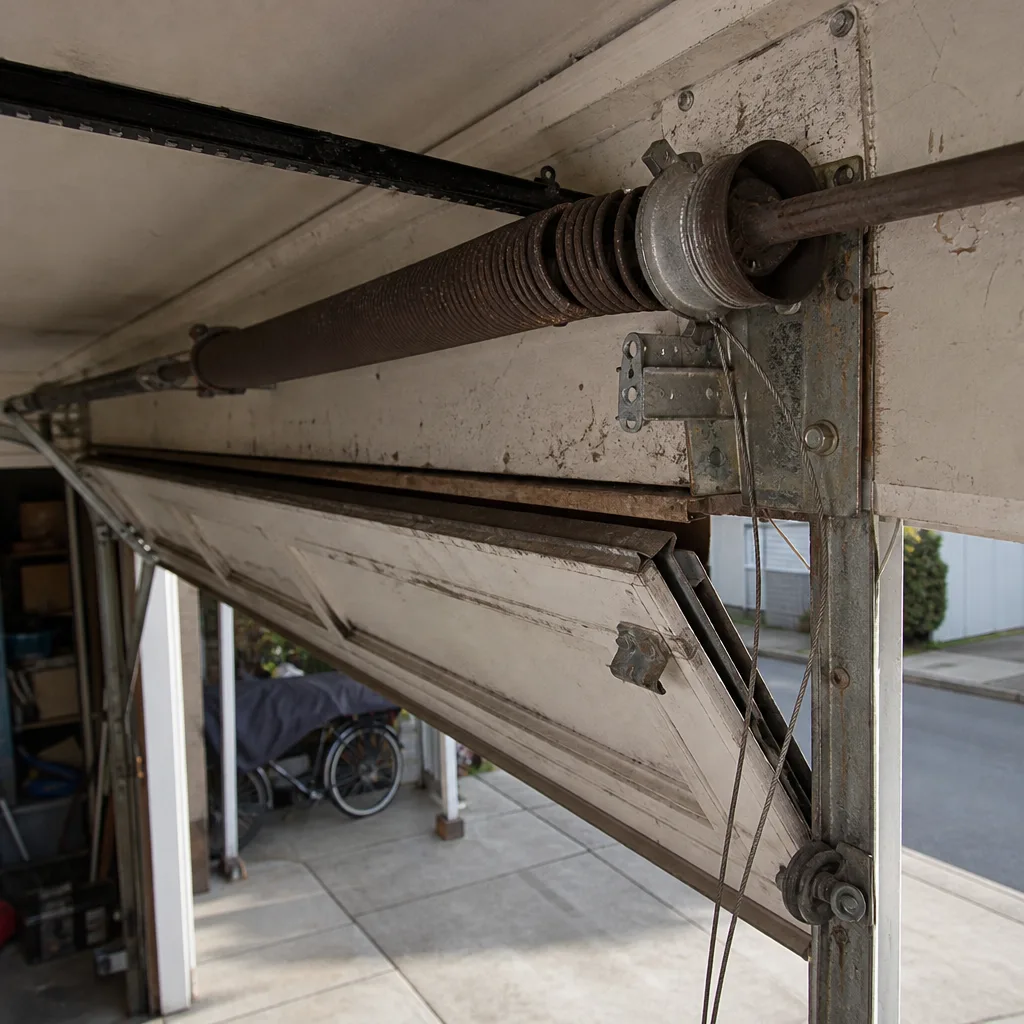 Before
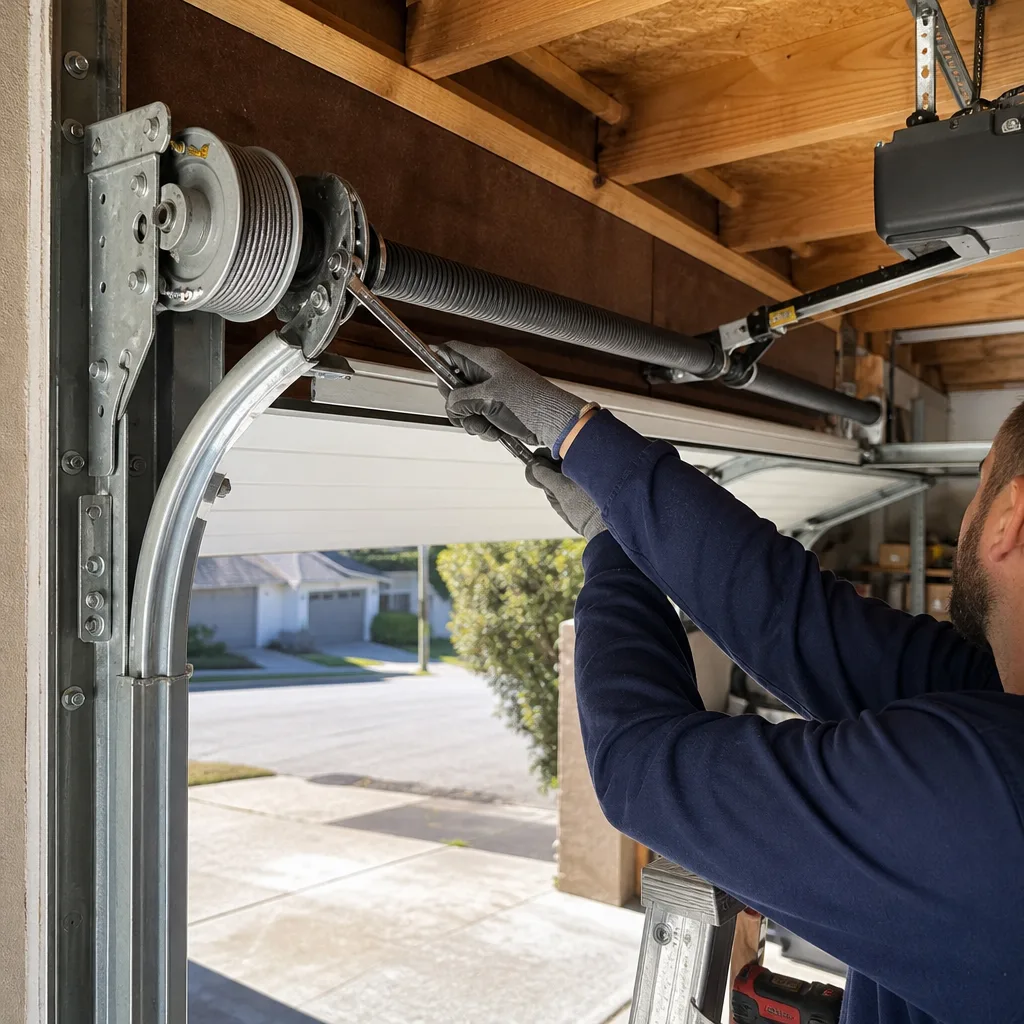 After
AfterWhat LiftMaster Garage Door Repair Costs in San Francisco
Here’s what we currently charge for the most common LiftMaster repairs on San Francisco jobs. These aren’t internet averages; they’re our actual local pricing for the work we do.
- Spring repair: $210 – $400 (torsion spring replacement, including parts and labor)
- Cable repair: $155 – $295 (broken or frayed lift cable replacement)
- Opener repair: $140 – $380 (logic board, gear, carriage, or sensor replacement)
- Opener installation: $295 – $650 (new LiftMaster opener, including removal of old unit)
- Panel replacement: $295 – $590 (per panel, depending on panel style and window inserts)
- Track realignment: $140 – $285 (bent or misaligned track correction)
- Roller replacement: $130 – $260 (full set of nylon rollers, recommended for quiet operation)
- New door installation: $825 – $2,595 (full LiftMaster or partner-brand door, depending on material and insulation)
What moves the price: the specific LiftMaster model you have, whether parts are OEM or aftermarket, and the age of the existing installation. If the door is original to a 2000s-era Sunset District home, expect more labor for components that were installed before current safety code requirements. For an exact quote, call (650) 550-9734. Estimates are free, and the price is confirmed in writing before any work begins.
Why San Francisco Homeowners Call Doyle Garage Doors San Francisco for LiftMaster Work
We’ve been repairing LiftMaster openers and the doors they lift in San Francisco since 2001. That matters because LiftMaster changes its wiring, logic, and mechanical tolerances every few years, and a tech who only sees one model series won’t recognize the failure pattern on another. Our technicians carry OEM LiftMaster parts for the Security+ 2.0 line plus the most common mechanical components for the door assembly itself. When a LiftMaster job needs a panel, track, or cable that we don’t stock (which is rare), our supplier network gets it within one business day; we also service Chamberlain and Genie openers as a backup for homes with mixed-brand garages.
Every tech is background-checked and identity-verified under the Threshold Standard, and you get their name and photo before the visit. The tech shows a photo ID badge at the door. Calls are answered by a live person, 24/7 – day, night, weekends, holidays. The price is written down and handed to you before a single bolt is turned. And the 365-day written guarantee is included on every repair, at no extra charge, with a free second visit if the repair fails. Aaron Teague has been leading the team for over two decades, and he still insists on showing up on time and explaining the repair before touching anything.
FAQs
No. As an independent LiftMaster service provider, we perform repairs that are warranty-safe for most homeowners. The manufacturer’s warranty on a new LiftMaster opener typically covers the motor and logic board for a set period, but that coverage only applies to manufacturing defects in the opener itself – not to the garage door springs, cables, rollers, or track that sit above and around it. Those components wear out from use, and repairing them with us does not void your LiftMaster warranty. For opener-specific issues under the manufacturer warranty period, we can help document the work so you can pursue a claim if applicable. Call (650) 550-9734 and we’ll walk you through what’s covered and what isn’t before you spend any money.
Usually, yes. In most San Francisco repair calls involving Logic Board failure, gear wear, or sensor faults, our techs carry the OEM parts needed for Security+ 2.0 systems and can complete the repair same-day. The exception is rare: if your exact model requires a component our supplier doesn’t stock locally, we’ll have it within one business day and schedule your repair immediately. For today’s availability, call (650) 550-9734; a live person answers 24/7.
Repair makes sense when the opener is less than 10 years old and the failure is in a replaceable component like the gear, carriage, sensor, or logic board; those fixes typically cost $140 – $380. Replace when the opener is over 12 years old and the motor itself is failing, or when you want to move from a standard chain drive to a belt-drive or wall-mount model. In San Francisco, openers over 15 years old are also worth replacing for UL 325 compliant safety systems that LiftMaster hasn’t put into pre-2010 circuits. For a straight recommendation on your specific model, call (650) 550-9734 – estimates are free.
Yes. Our San Francisco trucks stock OEM logic boards, sensors, gears, carriages, and safety beam assemblies for the most common LiftMaster Security+ 2.0 and legacy models. For the door itself, we carry torsion springs, cables, rollers, and track hardware sized for most San Francisco residential garages. If your specific part isn’t on the truck, we can get it quickly and complete the job within a day, still with a written price and guarantee. Call (650) 550-9734 with your model number and a real person will check availability while you’re on the line.
Written by Aaron Teague, Owner, Doyle Garage Doors San Francisco at Doyle Garage Doors San Francisco, serving San Francisco and nearby areas.