
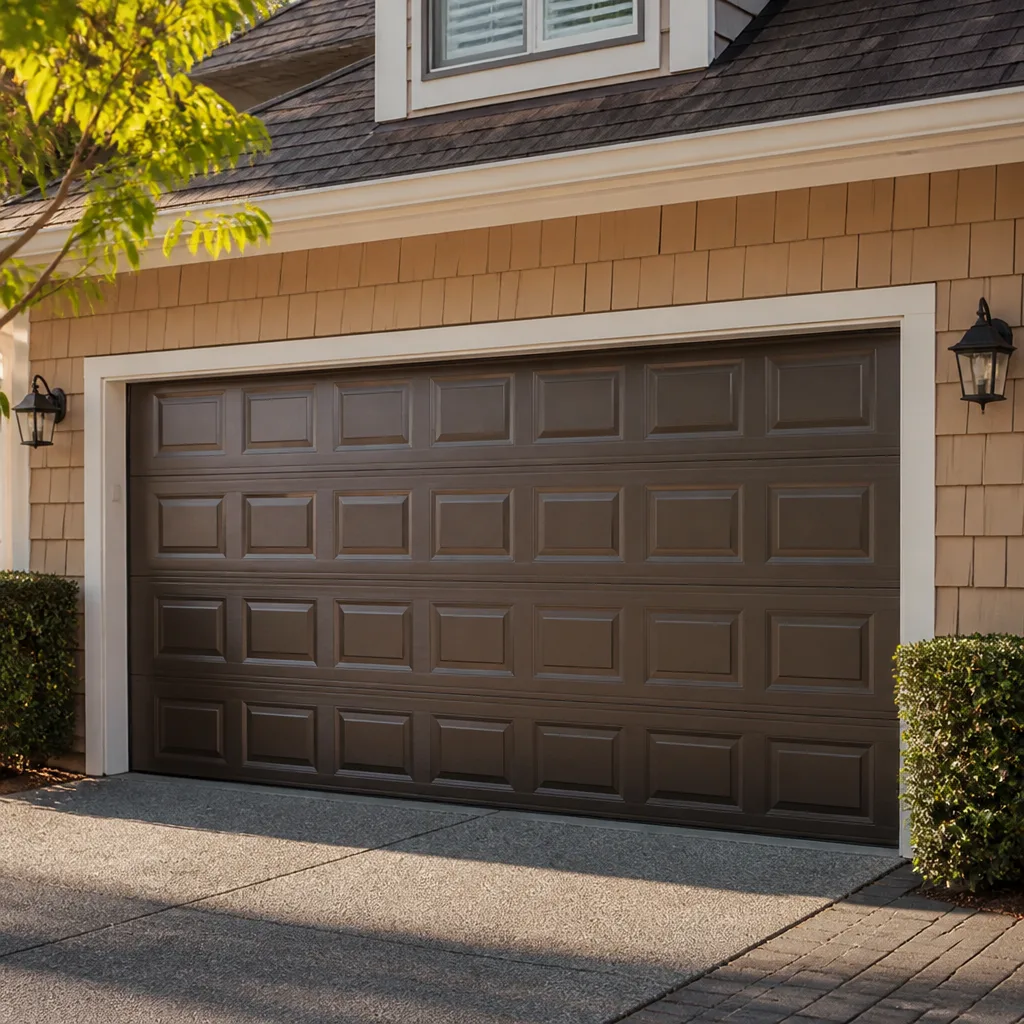
 Raised-panel steel
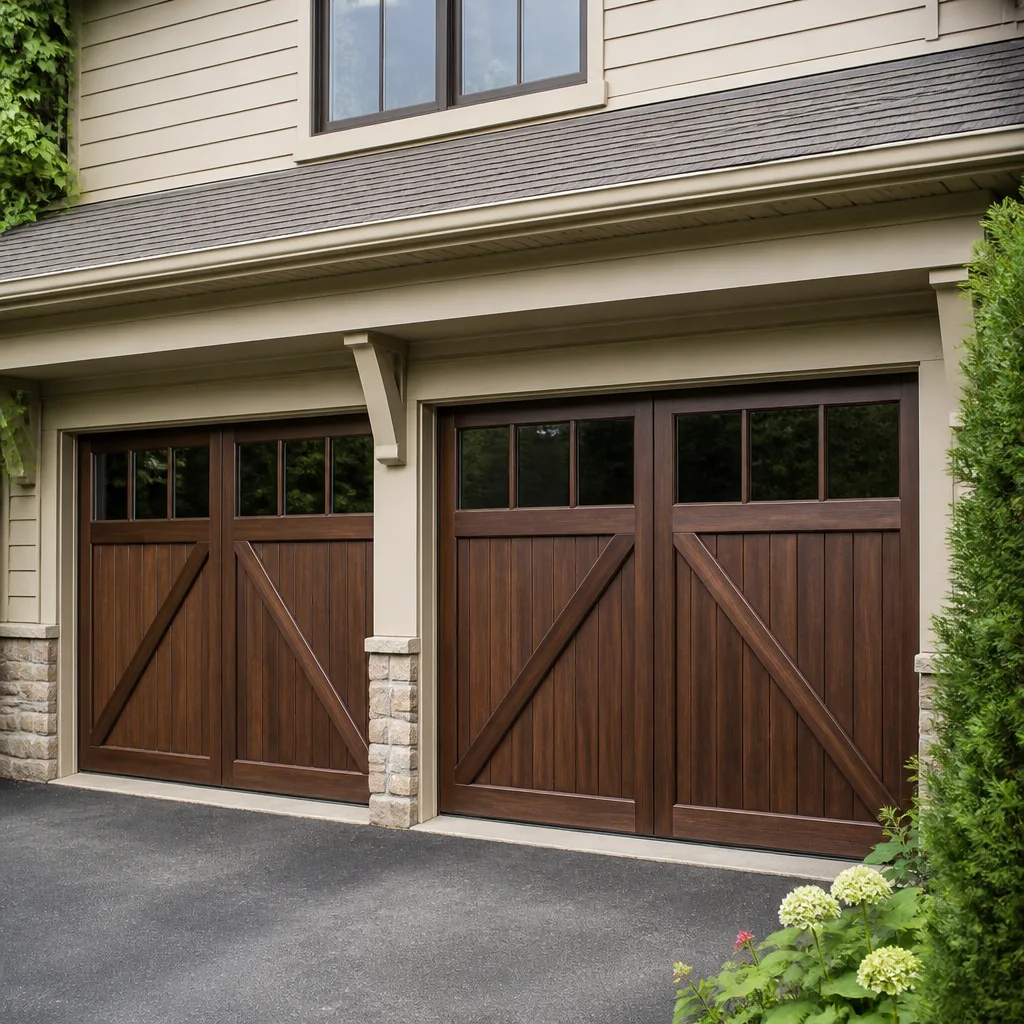 Carriage house
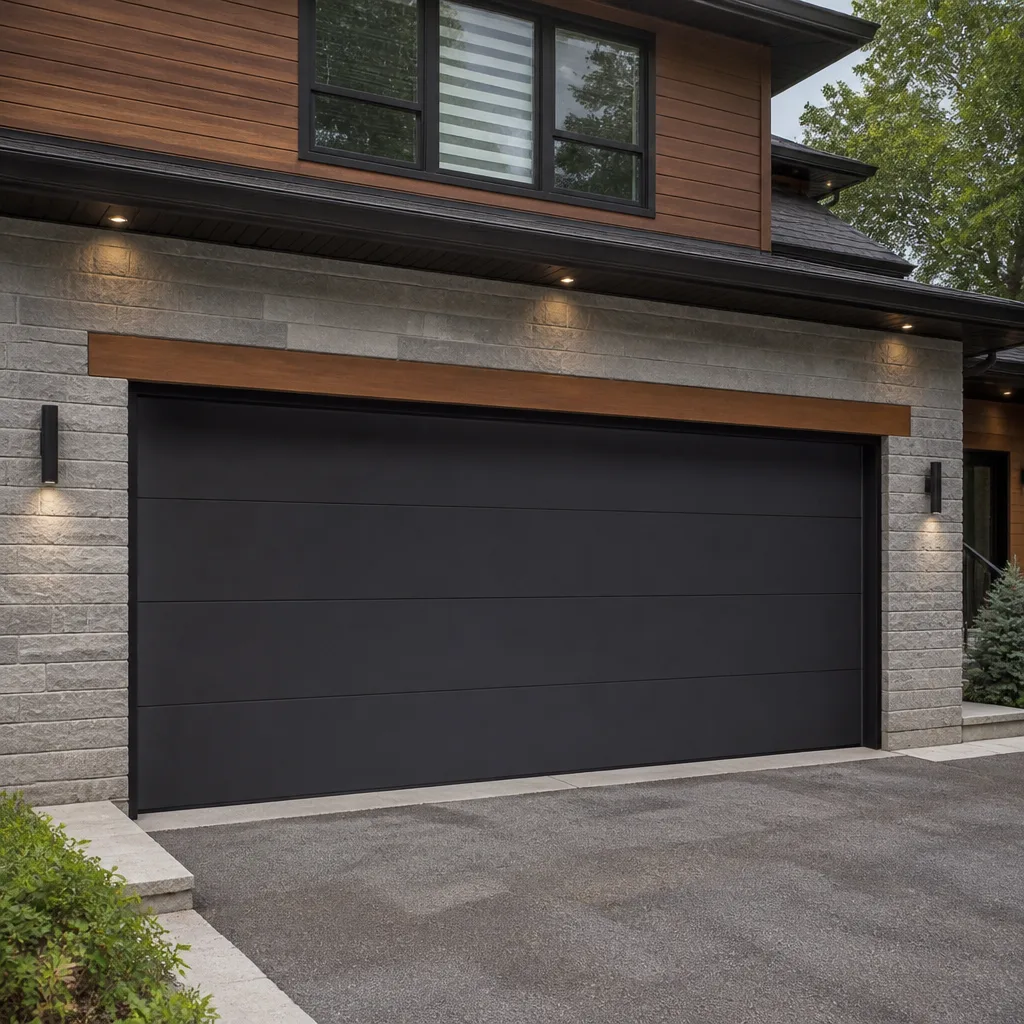 Modern flush
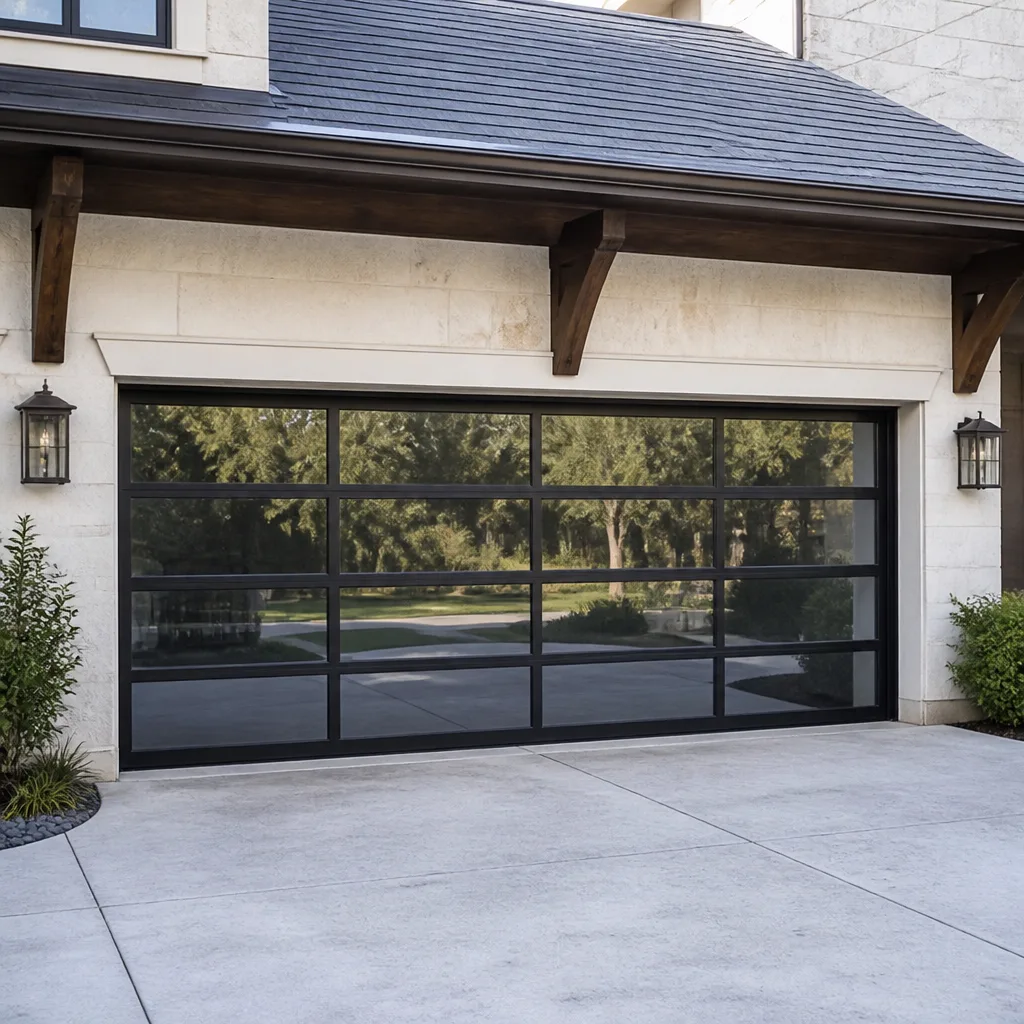 Full-view glass
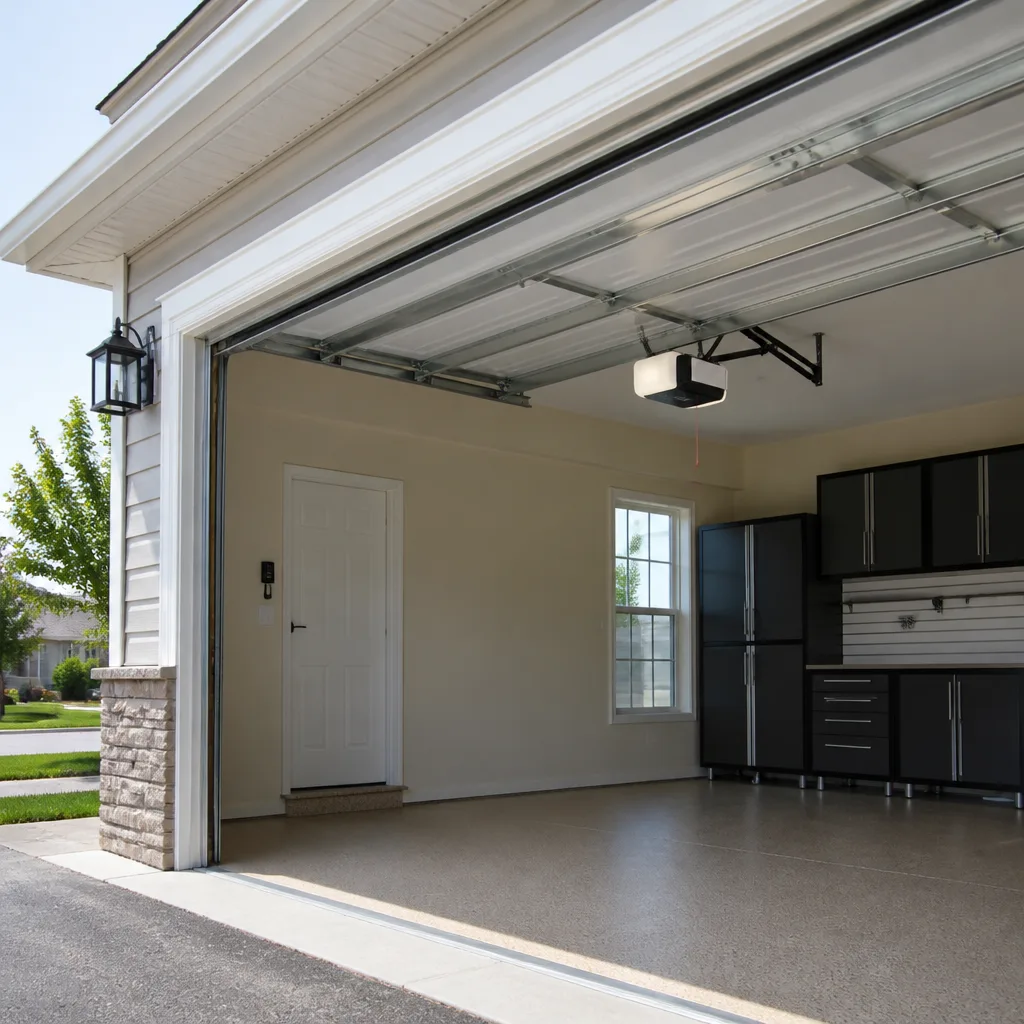 LiftMaster openers
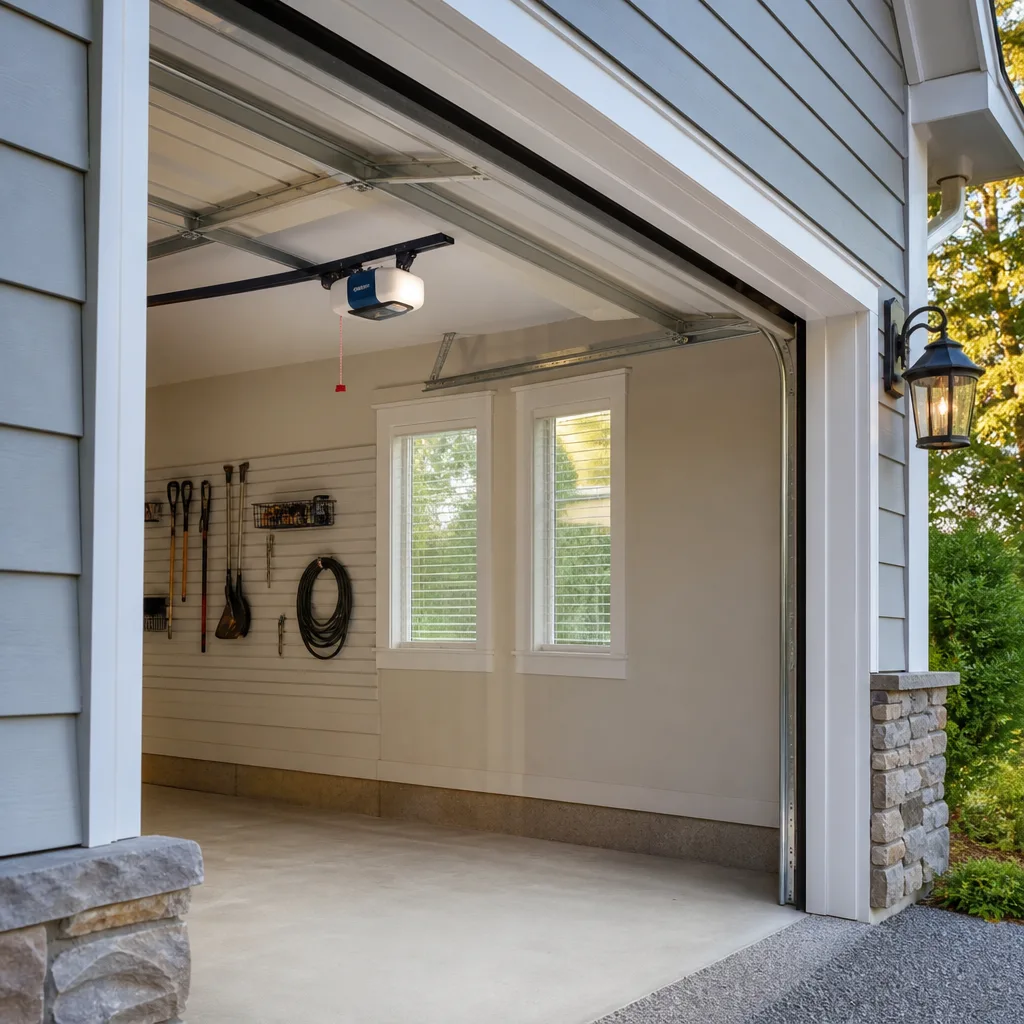 Chamberlain openers
Full 25-point door and opener safety check with every visit - springs, cables, rollers, tracks, and your LiftMaster or Chamberlain opener included
You get a price before we start. It does not change when the truck arrives.
Get your free estimateWayne Dalton Roller Replacement: The San Francisco Owner’s Guide
Wayne Dalton roller replacement in San Francisco typically runs $130 – $260 installed, and we stock compatible rollers on our trucks for same-day service in most neighborhoods. Rollers are the small wheels that ride inside the vertical and horizontal tracks, carrying the full weight of your door every time it opens or closes. When one fails, you’ll usually notice it before you see it: the door grinds, jerks, or binds halfway up, and the opener starts working harder than it should.
Most San Francisco homeowners discover a bad roller after months of ignoring a rougher-than-usual ride. The door still works, so it gets put off. Then one Saturday morning it refuses to move at all, or worse, it jumps the track. By the time a roller visibly wobbles or the door tilts to one side, the wear has usually been happening for a while. The good news is that roller replacement is one of the most straightforward repairs we do, and catching it early keeps the rest of your Wayne Dalton system from taking on stress it was never designed to carry.
Which Wayne Dalton Models This Applies To
Wayne Dalton has used the same basic roller design across most of its residential product lines for decades, so this guide applies to the vast majority of doors we see in San Francisco homes: the 9100 and 9600 series (the classic single-panel steel doors), the Torquemaster and Torsion series (which affect the counterbalance system, not the rollers themselves), and the current Classic Steel and Designer Fiberglass lines. The roller is spec’d by three measurements: stem length, wheel diameter, and wheel material. Most Wayne Dalton residential doors use a 2-inch nylon wheel on a 4-inch or 7-inch stem, but certain heavy custom models step up to 3-inch wheels for added load capacity.
Here’s the compatibility gotcha worth knowing: Wayne Dalton rollers are generally interchangeable with most North American residential garage door roller specs, so quality aftermarket rollers work fine, but you want to match the stem gauge. The aftermarket part doesn’t care what brand the door is; the track profile and hinge barrel size are what matter. We carry both OEM Wayne Dalton rollers and premium aftermarket equivalents on the truck, and we’ll measure your existing roller before we touch anything. Doyle Garage Doors San Francisco is an independent service provider, not affiliated with Wayne Dalton, and we stock genuine and equivalent parts for their full residential line.
Styles & brands we work with
Signs Your Wayne Dalton Roller Replacement Is Failing
- The door sounds rough or rattles as it moves. The ball bearings inside the wheel have worn, so the wheel scrapes along the track instead of rolling. It’s the sound of metal on metal, even if the wheel is nylon.
- The door hesitates or jerks at a specific point in the travel. You’ve got a flat spot on one roller or a stem that’s bent. Every pass over the same section of track produces the same stutter.
- The door hangs slightly crooked when partially open. One side of the door is doing more work than the other because a roller has worn down. The weight distribution is off, which accelerates wear on the cables and hinges.
- You can see the wheel wobbling when the door moves. The roller stem has come loose in the hinge barrel, or the wheel itself has separated from the stem. Either way, it’s a single point of failure waiting to drop the door off the track.
- The opener sounds strained, like it’s working harder than it used to. Bad rollers add friction. Friction makes the motor draw more current. You’re paying for that extra current every month, and you’re shortening the life of the opener.
If you hear grinding, see a wobble, or feel resistance when you manually lift the door, don’t keep cycling it. Every cycle with a bad roller chews up the track and stresses the hinges. In San Francisco’s older garages, where tracks are often original to the 1970s or 1980s, a damaged track turns a $180 roller job into a much bigger project.
See the difference
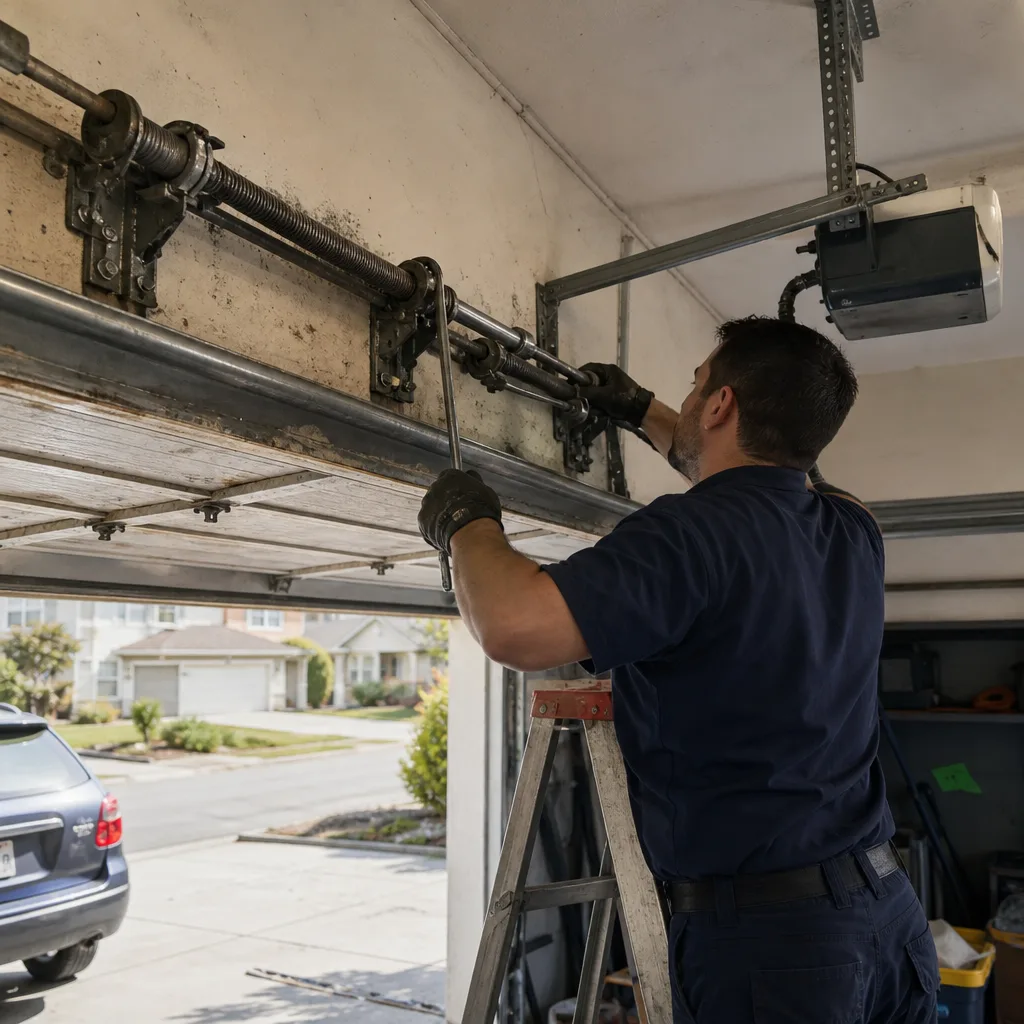 Before
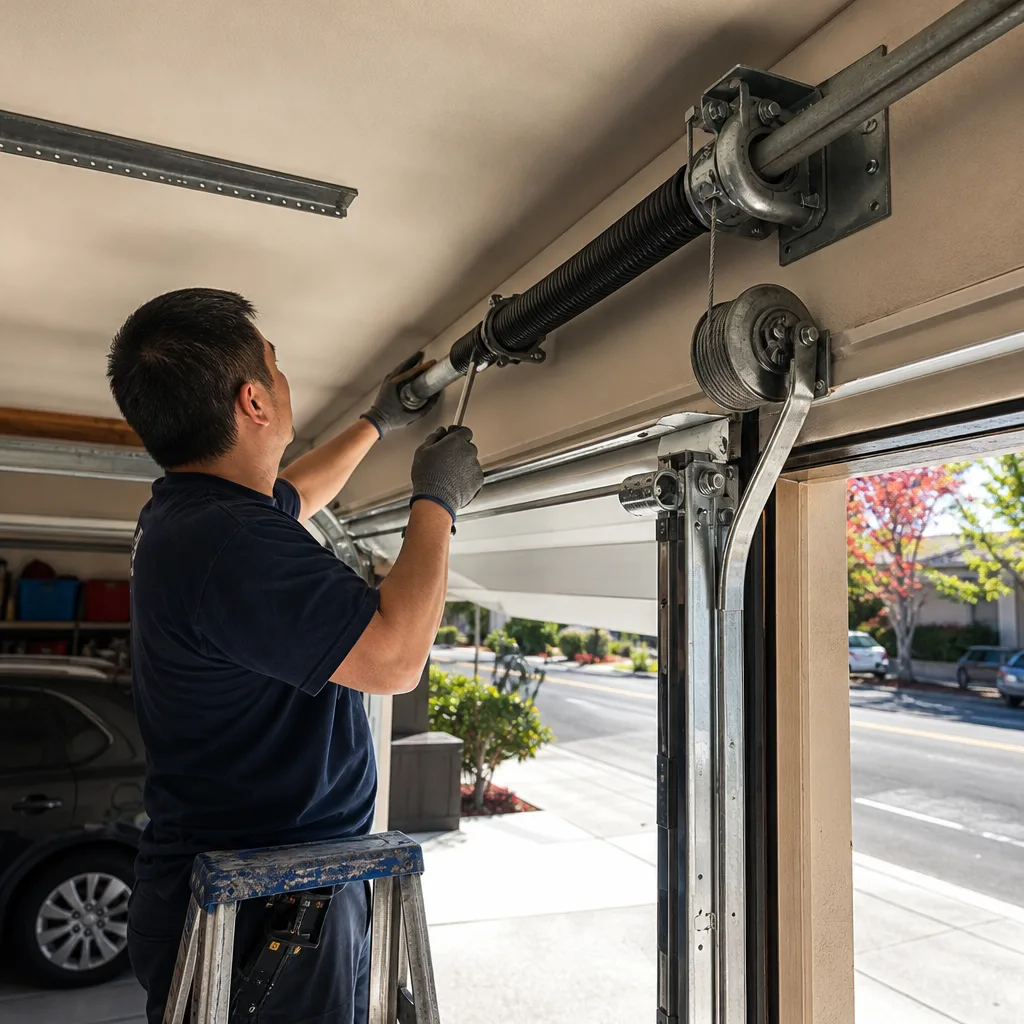 After
After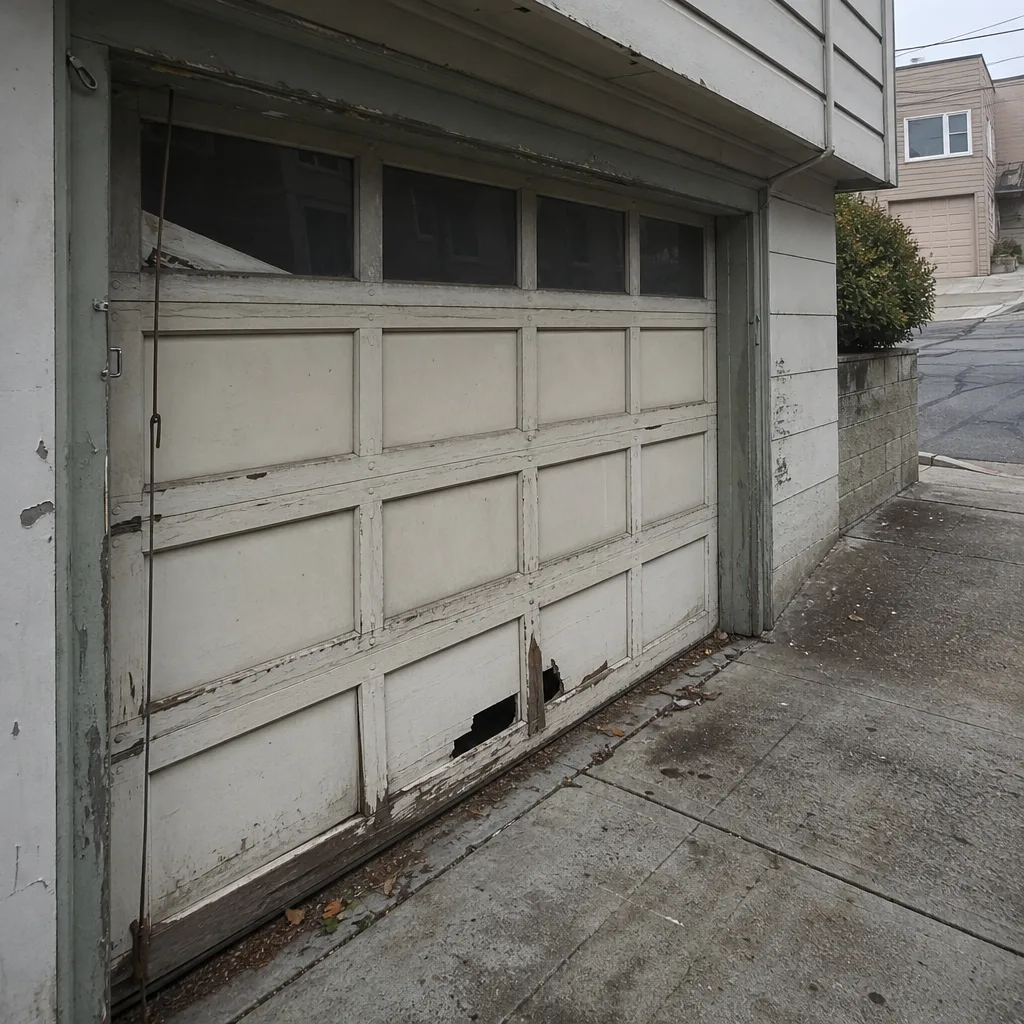 Before
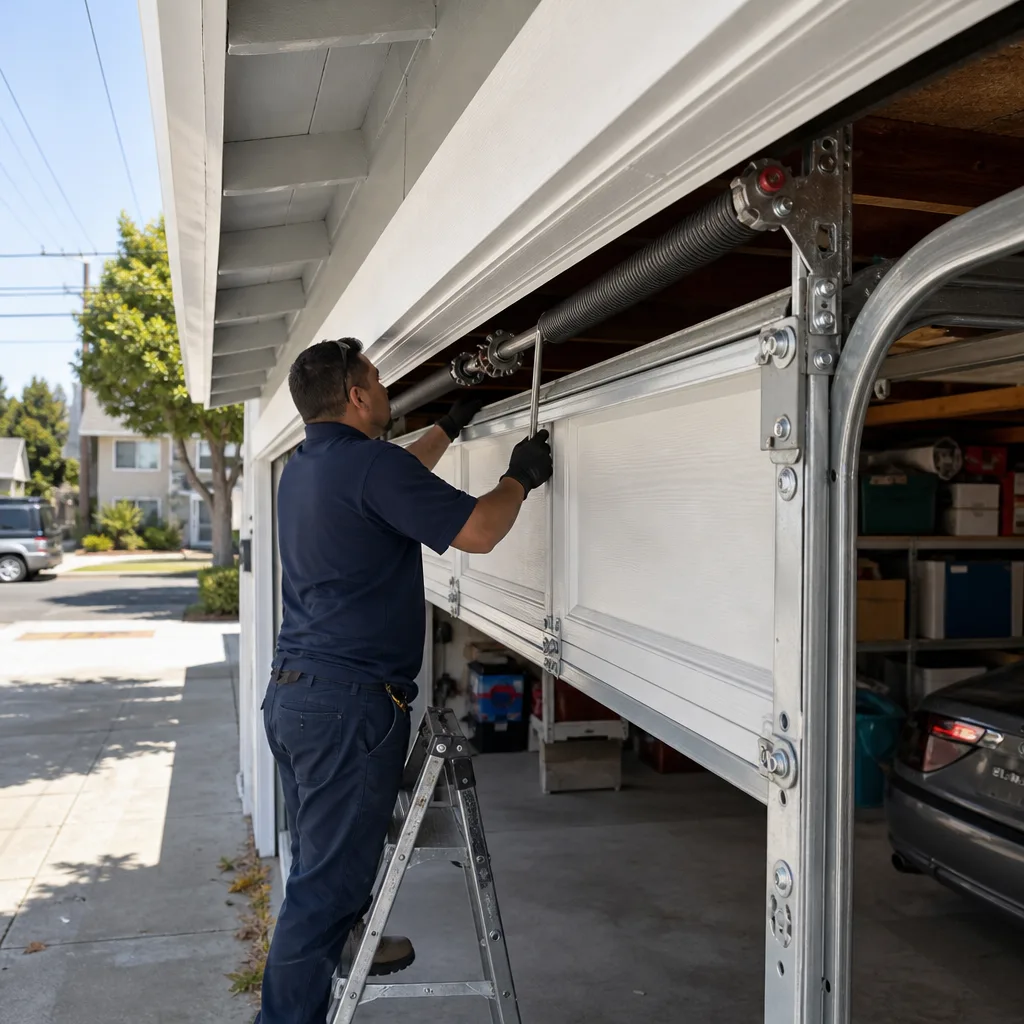 After
After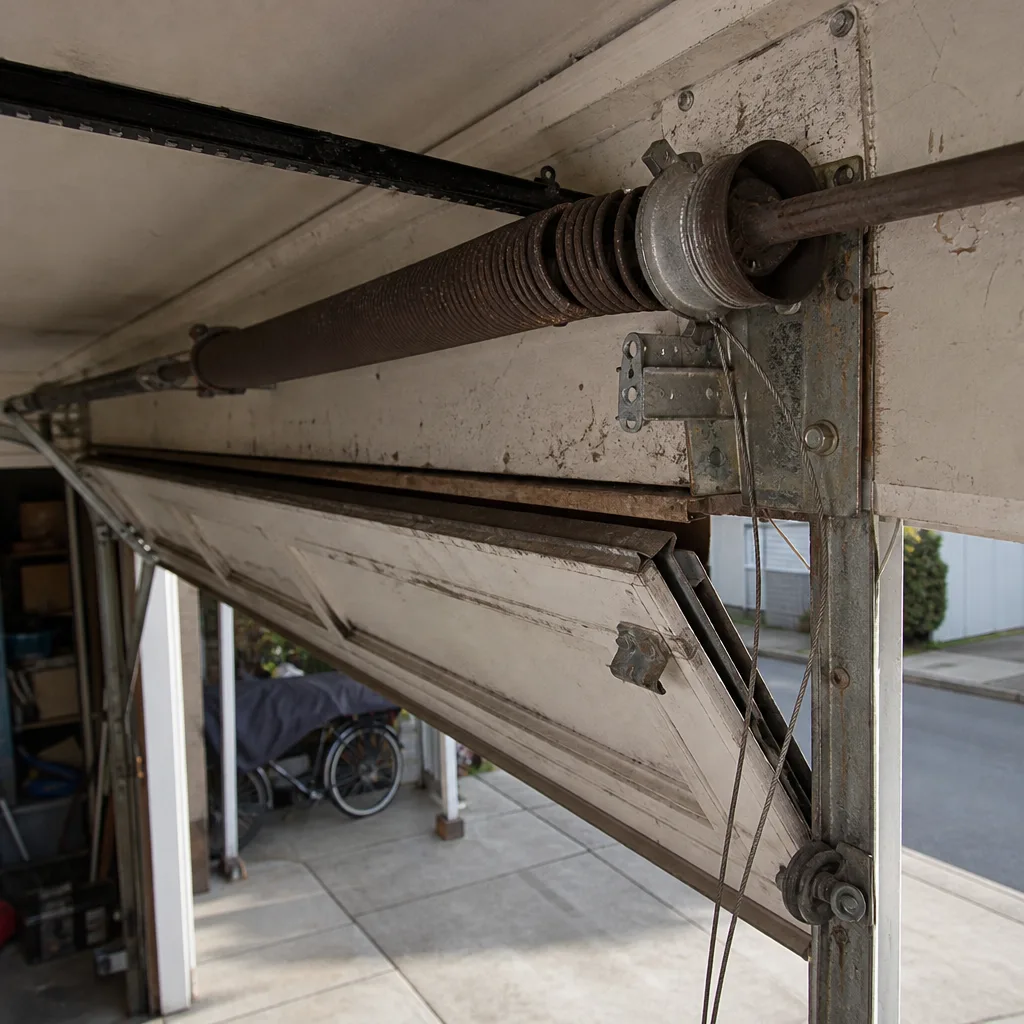 Before
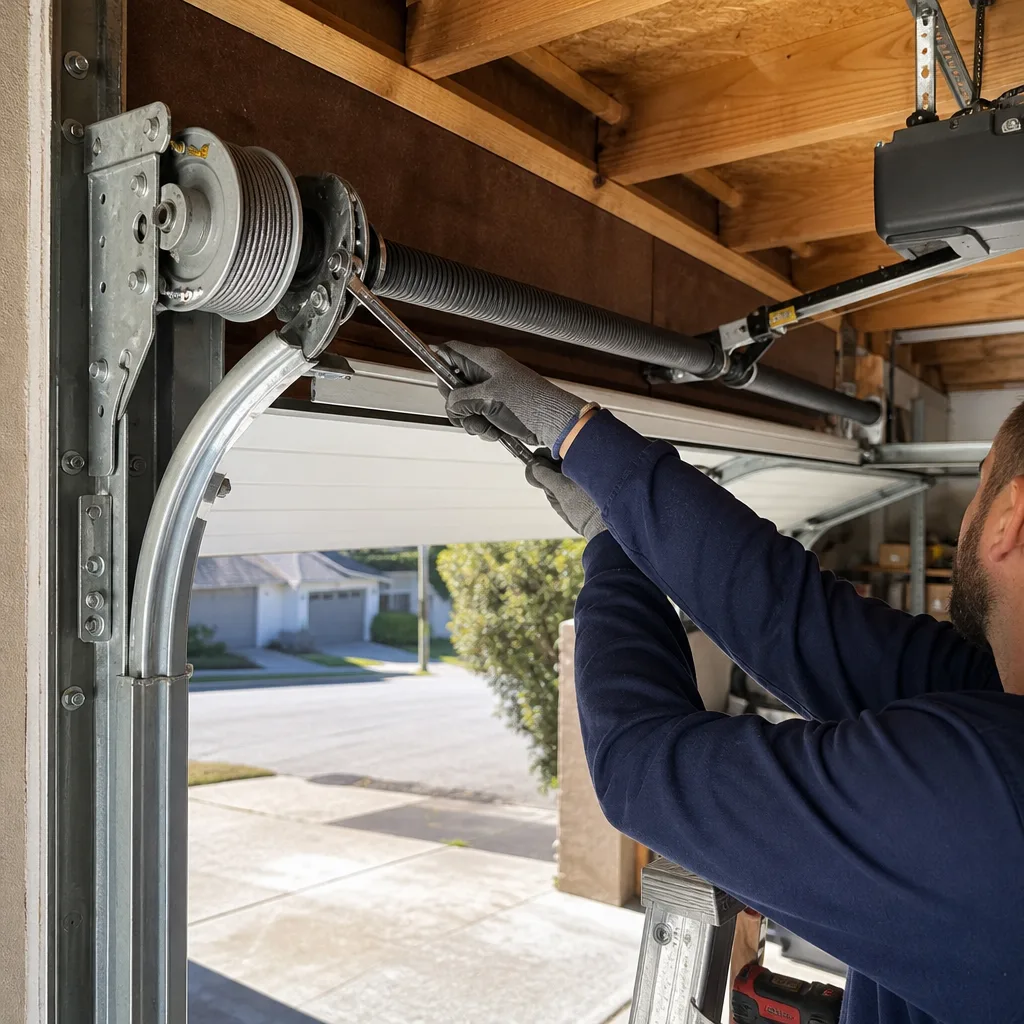 After
AfterReplacement Cost & What’s Included
In San Francisco, Wayne Dalton roller replacement costs $130 – $260 installed. That’s the full line-item price: the rollers themselves, the labor to swap them, and a written guarantee on the work. The range exists because it depends on two things: how many rollers need replacing and what type of roller your door calls for. A standard 2-inch nylon roller in a typical single door runs toward the lower end. Stepping up to 3-inch heavy-duty rollers, or replacing rollers on a double-wide door with more panels, moves you toward the higher end.
Here’s what you’re paying for in San Francisco specifically: the parts, the technician’s time, and the fact that we don’t push a verbal estimate. We hand you the price in writing before any work starts, and that number doesn’t change once we’re on site. We also back the repair with our 365-Day Done Right Promise: if that roller fails within a year, we come back and make it right at no charge. Free second visit, no argument required.
For reference, roller replacement is one of the least expensive repairs on a garage door system. A broken torsion spring repair runs $210 – $400, cable repair $155 – $295, and a new door installation anywhere from $825 – $2,595 depending on size and insulation. If you catch rollers early, you stay in the cheapest column on the sheet.
DIY or Call Us?
You can absolutely diagnose worn rollers yourself. Lift the door manually (pull the red release cord first) and watch each wheel as it passes the curved section of track. If it wobbles, if it scrapes, if it’s visibly cracked or chipped, that’s your answer. You don’t need any tools to see the problem.
The replacement itself is where we’d pump the brakes. The bottom roller on each side is under constant tension from the lift cables, and on Wayne Dalton doors with Torquemaster systems, manipulating the bottom brackets without releasing that tension safely can send a cable flying. We don’t recommend DIY roller swaps on the bottom brackets for that reason. Even on the upper rollers, the door has to be clamped and supported correctly, and a heavy wood or steel door in a San Francisco garage with limited overhead clearance makes that awkward. Call (650) 550-9734 and we’ll have it done in under an hour, with the price in writing before we start.
FAQs
In San Francisco’s climate, you can expect 8 – 12 years from factory rollers, but the fog and salt air in neighborhoods like the Sunset and Richmond districts shorten that to more like 6 – 10 years if the garage door faces the ocean side. The bearings are sealed but not immortal, and the marine air works on them slowly. If you’re replacing rollers, nylon rollers with sealed bearings outlast the unsealed metal rollers some builders used in the 1990s and early 2000s.
Once a roller’s bearings are grinding or the wheel has a flat spot, it can’t be repaired. The bearing assembly and the wheel are a single unit, and there’s no way to recondition either one cost-effectively. The good news is that replacing them is fast and inexpensive, starting at $130. Call (650) 550-9734 and we’ll give you an exact price for your door before we order or install anything.
For a typical single or double door, expect 45 – 90 minutes from start to finish. We replace all the rollers at once, not just the one that failed, because a mixed set of old and new rollers creates uneven wear that shortens the life of the new ones. The old rollers are all the same age, so they’re all wearing at about the same rate.
Yes. We carry standard 2-inch and 3-inch rollers in multiple stem lengths, along with heavy-duty nylon and steel options. If your Wayne Dalton door needs a less common spec, we can source it and have it installed within a day or two. If you also need other parts while we’re there, we stock LiftMaster, Chamberlain, and Genie opener parts, plus cables, springs, and hinges for all major brands including Wayne Dalton, Clopay, and Amarr.
Written by Aaron Teague, Owner, Doyle Garage Doors San Francisco at Doyle Garage Doors San Francisco, serving San Francisco and nearby areas.