
Last updated October 16, 2026
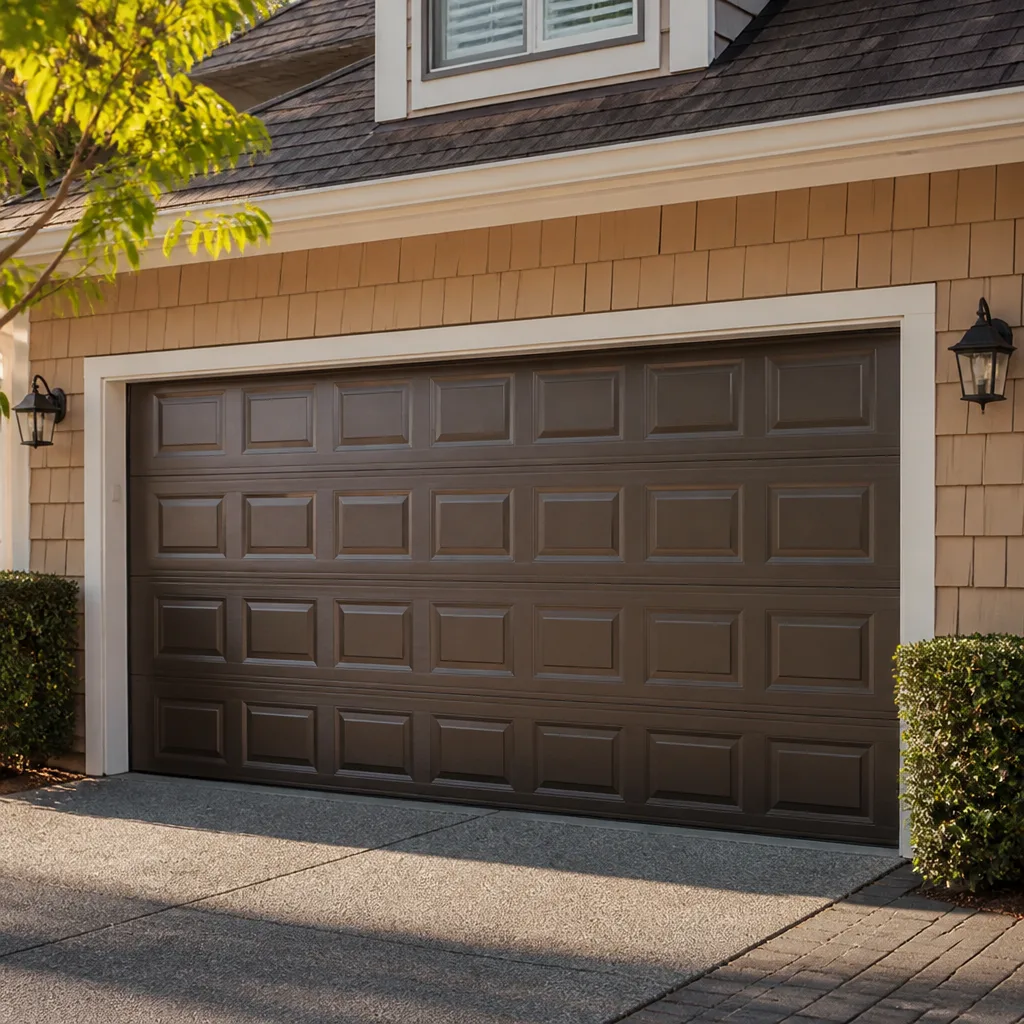 Raised-panel steel
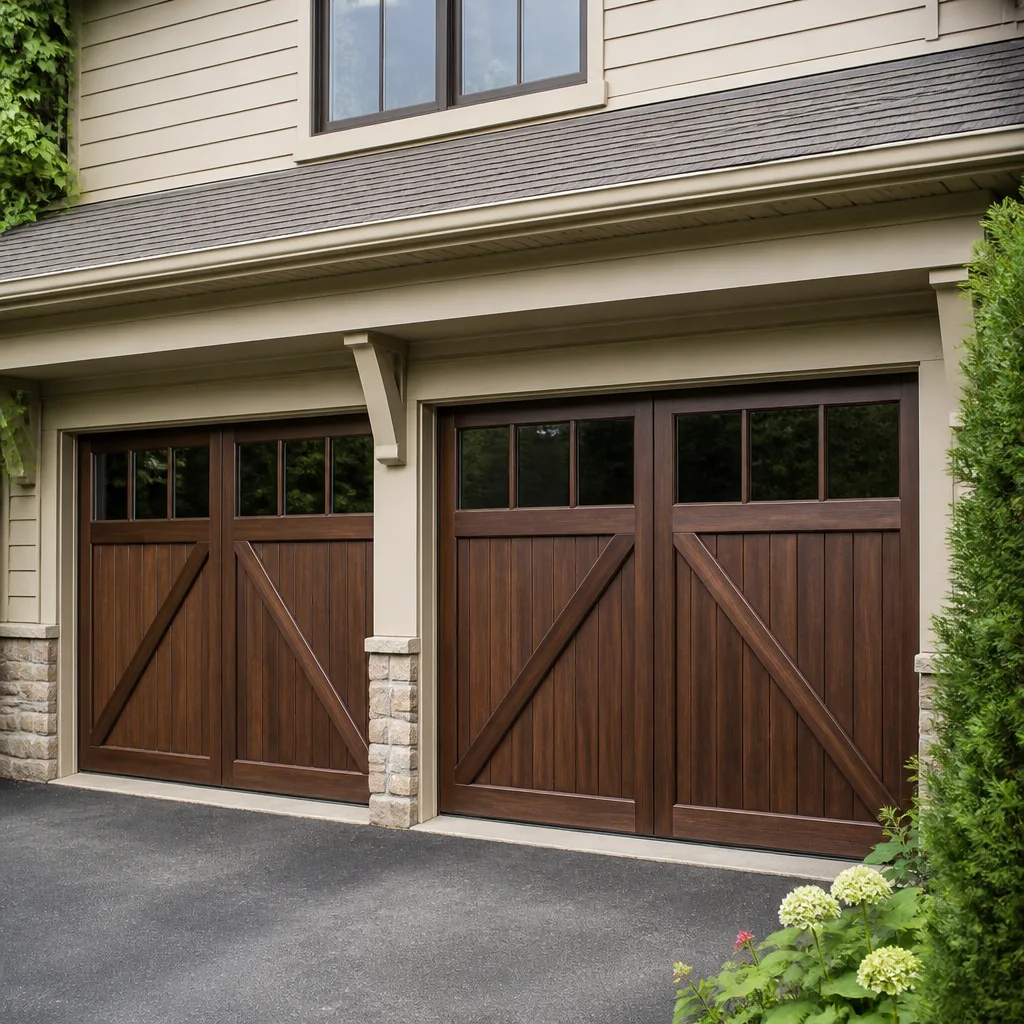 Carriage house
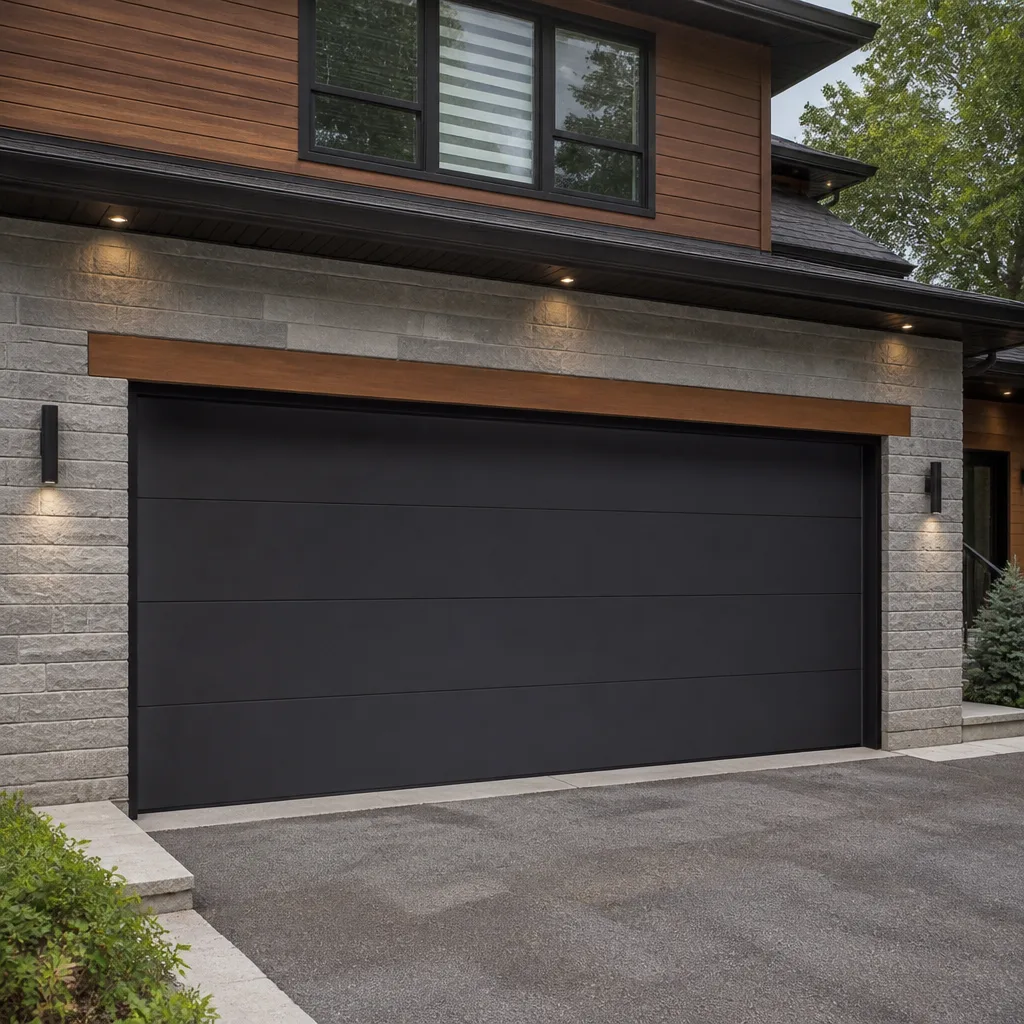 Modern flush
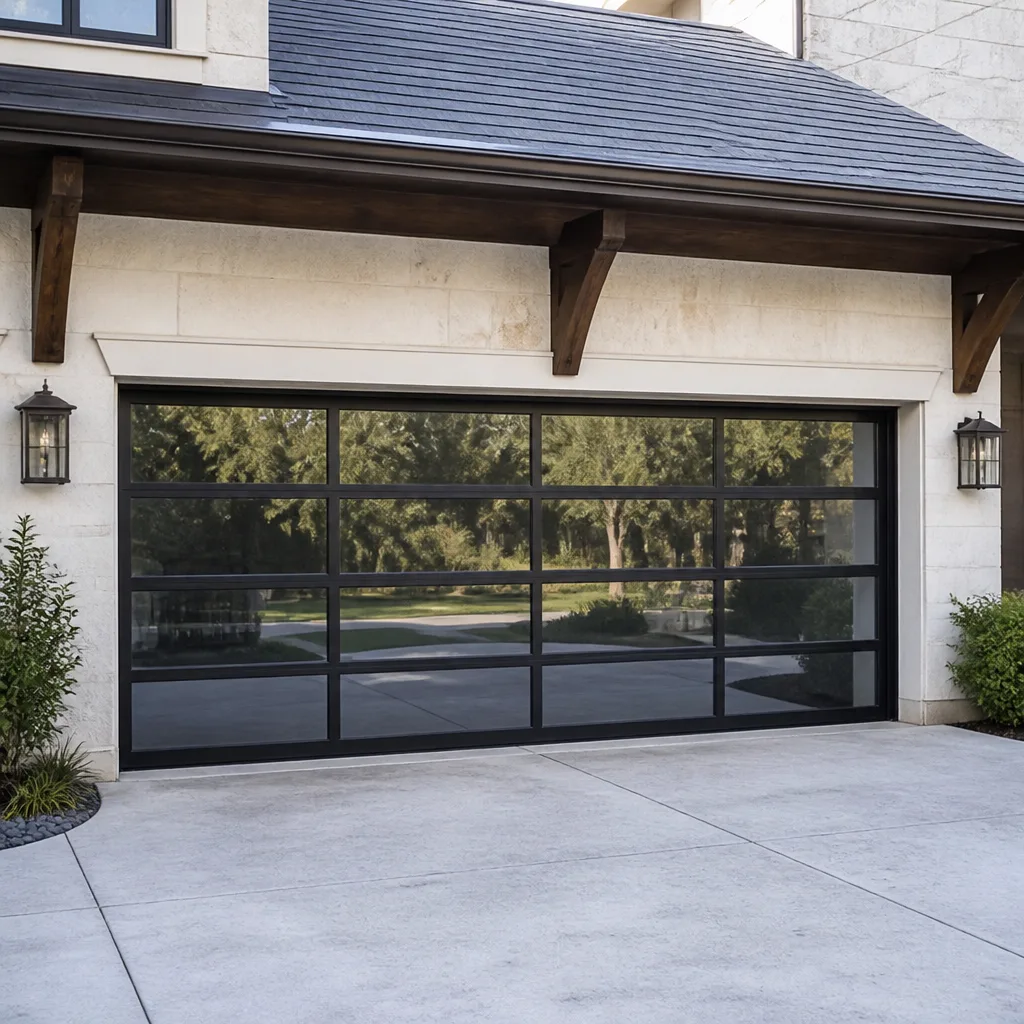 Full-view glass
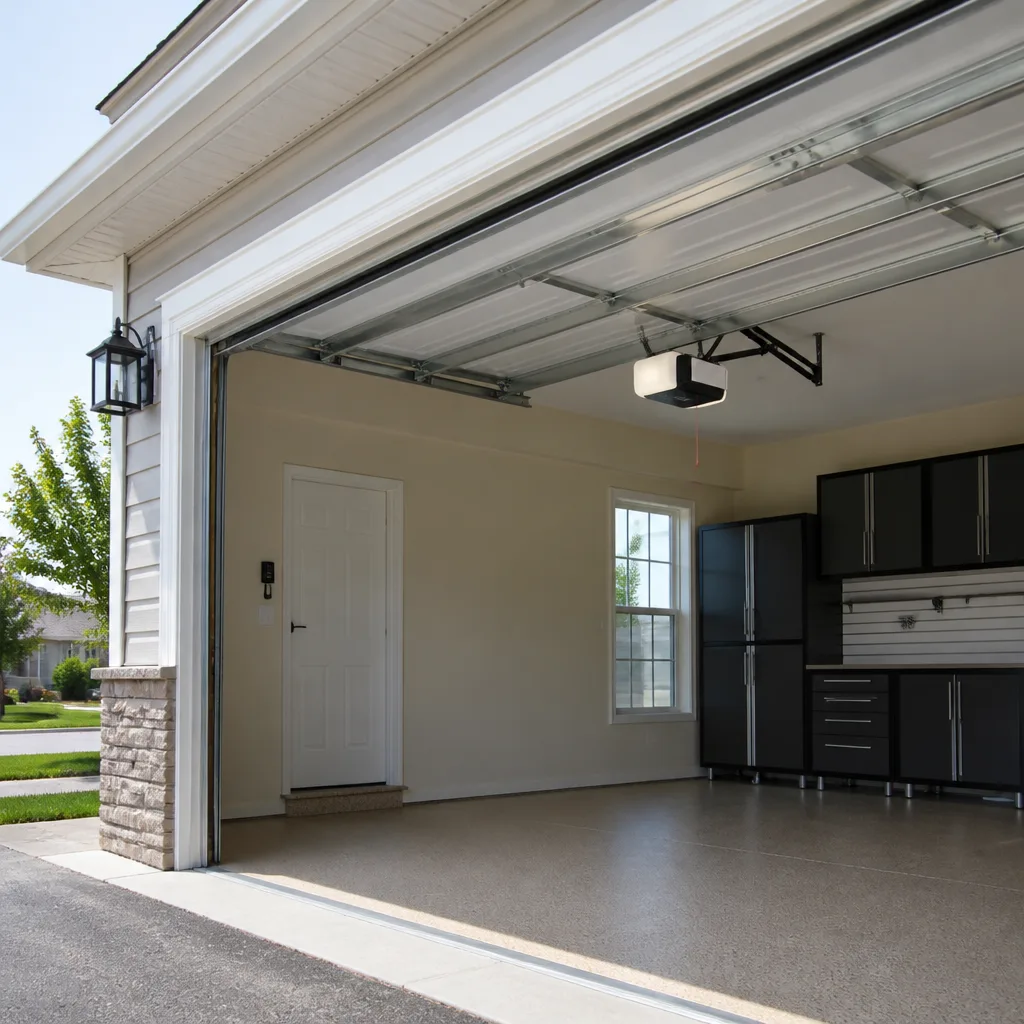 LiftMaster openers
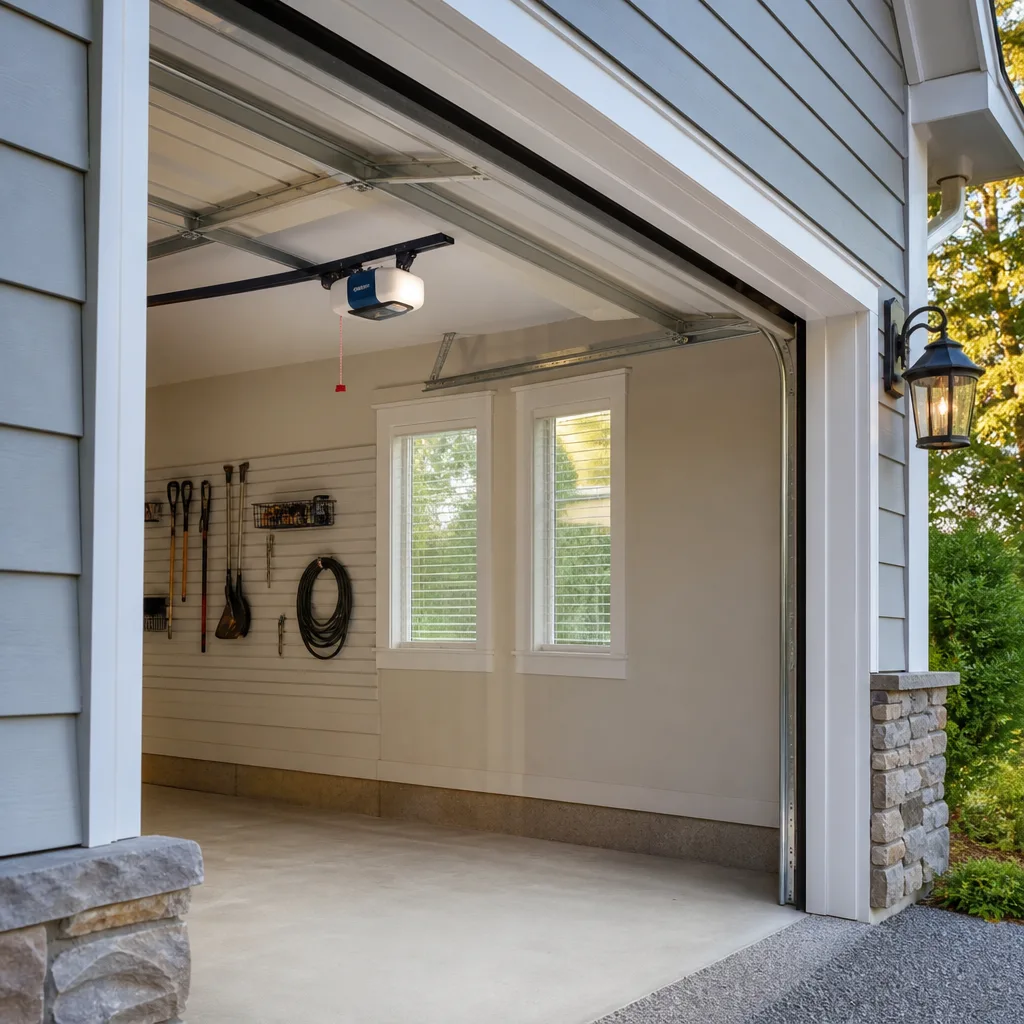 Chamberlain openers
Full 25-point door and opener safety check with every visit - springs, cables, rollers, tracks, and your LiftMaster or Chamberlain opener included
You get a price before we start. It does not change when the truck arrives.
Get your free estimateGarage Door Cost Breakdown: The San Francisco Homeowner’s Reference for 2026
Most San Francisco homeowners don’t get blindsided by the total cost of a garage door repair. They get blindsided by the gap between the phone quote and the final invoice. That gap has a name in our trade: discovery pricing. A company quotes you $220 over the phone, then the technician finds a “worn end bearing” or a “corroded bracket” and the bill lands at $580. The most common garage door cost complaint in San Francisco isn’t that the final bill was high. It’s that it was $200 to $400 more than the phone quote. This guide explains the real numbers behind garage door repair and replacement in San Francisco for 2026, including the four specific line items most quotes conveniently leave out until the job is underway, and why a written estimate handed to you before any work starts is the single best protection against overpaying. For related reading, see our Garage Door Warning Signs: A San Francisco Homeowner’s Reference Guide.
Styles & brands we work with
Quick Answer
Garage door repair in San Francisco typically costs $180 to $700 for most common fixes in 2026, while full garage door replacement runs $1,200 to $4,800 installed depending on material, size, and access conditions. San Francisco prices run 20 to 35 percent above the national average, driven by higher insured labor rates, permit requirements on structural work, tight urban access, and disposal fees. A torsion spring replacement, the most common repair, falls between $180 and $320 for a single spring including parts and labor.
Table of Contents
- The 2026 San Francisco Garage Door Price Table
- The Four Hidden Costs That Inflate Final Bills
- Why San Francisco Labor Rates Run Higher Than National Averages
- Repair vs. Replace: The Break-Even Math for San Francisco Homes
- What a Written Estimate Must Include
- Material Comparison: Steel, Wood, Aluminum, and Composite in SF Conditions
- Garage Door Opener Replacement Costs in San Francisco
- Common Mistakes to Avoid
- When to Call a Professional
- Frequently Asked Questions
- The Bottom Line
The 2026 San Francisco Garage Door Price Table
Here are the actual price ranges we’ve seen on San Francisco jobs in the last twelve months. These are all-in numbers: parts, labor, and the standard service call. They assume a single-car or standard double-car door in a typical San Francisco garage with reasonable access. Your price will vary if you have a custom door, a detached garage on a steep lot, or a door that hasn’t been serviced in a decade. See our Garage Door Repair Maintenance Checklist for San Francisco Homeowners for what routine upkeep should include.
| Service | 2026 SF Price Range | What Drives the Range |
|---|---|---|
| Torsion spring replacement (single spring) | $180 – $320 | Spring size, cycle rating, brand (Genie, Clopay, Amarr) |
| Torsion spring replacement (pair) | $280 – $540 | Both springs replaced at once saves labor over doing one twice |
| Cable replacement (per side) | $120 – $200 | Access difficulty, whether door needs to be reset |
| Panel replacement (per panel) | $250 – $600 | Panel material, color match on older doors, brand availability |
| Opener replacement (installed) | $350 – $700 | Horsepower, belt vs. chain drive, smart features, brand |
| Roller replacement (full set) | $100 – $180 | Steel vs. nylon rollers, bearing wear on the track |
| Track realignment | $120 – $250 | Whether the track is bent or just out of square |
| Full door replacement (standard steel) | $1,200 – $2,800 | Size, insulation, windows, brand, access |
| Full door replacement (wood or composite) | $2,800 – $4,800 | Custom sizing, finish work, weight requiring upgraded springs |
These numbers are for Informational purposes and reflect what a transparent, written estimate in San Francisco should show. If a phone quote comes in dramatically below these ranges, that’s a red flag. Either the company is quoting labor only without parts, planning to add “discoveries” once they see the door, or quoting a bare-bones part that won’t hold up in a fog-zone garage.
The Four Hidden Costs That Inflate Final Bills
We’ve been doing garage door repair in San Francisco since 2001, and in our experience, most surprise invoices come from four specific line items. Not one of them is a scam. All four are legitimate. The problem is that the salesperson on the phone never mentions them, and the customer only learns they exist when the technician walks out to the truck for another part. Here’s what to ask about before you agree to any repair.
1. Access Surcharge for Tight Urban Driveways
San Francisco garages are tight. Driveways slope, clearance is limited, and some garages require the technician to remove trim or work from a ladder in a confined space. A standard service call assumes the technician can stand comfortably in front of the door and work without obstruction. When that’s not true, the job takes 30 to 60 minutes longer, and that labor gets billed. A detailed written quote will flag this upfront. Ask directly: “Does this price include access difficulty for my property?”
2. Old-Hardware Disposal Fees
When a door or opener gets replaced, the old one has to go somewhere. A steel door panel can weigh 40 to 80 pounds. An old opener, track system, and springs add up. San Francisco disposal is not cheap. Some companies bury this fee. Others waive it but build the cost into the parts markup. A written estimate should list disposal as a line item. If it doesn’t, ask. The answer tells you a lot about how the company prices.
3. Same-Day Parts Premium for Discontinued Models
San Francisco has thousands of older homes with garage doors installed in the 1980s and 1990s. Parts for those doors often aren’t stocked on the truck. Sourcing a discontinued tension spring, a specific cable set, or a custom-sized panel means ordering from a specialty supplier or hunting through local distributor inventory. Same-day availability on an out-of-production part carries a premium. We see this most often with older Wayne Dalton and Craftsman hardware. A transparent company will show you the part cost and tell you what new-old-stock versus retrofit means for the total.
4. Permit Fees When the Scope Triggers DBI Review
Not every garage door job in San Francisco requires a permit. Replacing a spring, a cable, or an opener doesn’t. Replacing an entire door in certain situations does, particularly if the opening changes, the structural header gets modified, or the work falls under the San Francisco Department of Building Inspection (DBI) review threshold. We don’t handle permits on most repairs, but if a full replacement triggers a review, that fee is real and it gets passed through. Some contractors skip this conversation until the end of the job. A legitimate quote will note permit responsibility in writing before work starts. This is one reason the cost gap between repair and garage door installation in San Francisco sometimes surprises people.
Why San Francisco Labor Rates Run Higher Than National Averages
There’s a lazy explanation for why garage door work costs more in the Bay Area: “Because it’s San Francisco, everything costs more.” That’s true but useless. The honest breakdown is more specific, and it matters because it explains what you’re actually paying for when you hire a legitimate contractor.
California requires garage door contractors to be licensed through the Contractors State License Board (CSLB). A CSLB license means the company carries workers’ compensation insurance for every technician who shows up at your door. In the Bay Area, that insurance plus general liability coverage runs roughly 40 percent above the national median for trade contractors. That’s not a markup. That’s what it costs to operate legally and safely in this market.
Here’s what that insurance actually protects you from. If an unlicensed or uninsured technician gets hurt working on your garage door, you can be held liable. Your homeowner’s policy may or may not cover an on-the-job injury to an independent contractor on your property. Many don’t. When you hire a CSLB-licensed company that carries workers’ comp, that risk does not live with you. It lives with the contractor. That’s worth every dollar of the 20 to 35 percent premium San Francisco homeowners pay.
There’s another factor. San Francisco garages are different. Many are detached, many are built into hillsides, and many were constructed before modern building codes standardized garage dimensions. The average national garage door is a predictable 7 feet tall and 9 feet wide. San Francisco doors are all over the map, including custom and retrofit sizes we don’t see anywhere else in the state. That variability means fewer economies of scale on parts and more on-the-job problem-solving. You’re paying for expertise, not just labor hours.
Repair vs. Replace: The Break-Even Math for San Francisco Homes
The question every homeowner eventually asks: should I keep fixing this door or replace it? The answer depends on age, material, and your neighborhood’s exposure to fog and salt air. Here’s a practical break-even calculation for a typical San Francisco steel door.
Say your door is 15 years old. The springs have been replaced twice at $250 per replacement. The rollers are wearing out at $150 per set. The bottom seal rots every three years due to fog-zone moisture at $60 a pop. In the last 24 months, you’ve spent $460 keeping a 15-year-old door functional. A new standard steel door installed in San Francisco starts around $1,400. If the next 24 months hold another spring failure, a panel dent from a car bumper, or a track issue, you’ll have spent close to 60 percent of a replacement on a door with at least one foot in the grave.
In fog-heavy neighborhoods like the Outer Sunset, the Richmond District, and Forest Hill, we see hardware corrosion that inland cities simply don’t. Hinges, brackets, and cables near the coast rust faster. A 12-year-old door in the Sunset often has the hardware wear of a 20-year-old door in Walnut Creek. When corrosion spreads to the door’s structural frame, individual part replacements stop making sense. You’re paying $200 here and $350 there to keep a door alive that’s fighting the environment.
Here’s the rule of thumb we use. If the door is under 10 years old and the hardware is sound, repair. If the door is over 12 years old, has corroded hardware, and has needed two or more service calls in the last 18 months, replacement is usually the smarter money. Also consider what the door protects. In San Francisco, a garage often holds more than cars. Bike collections, tools, camping gear, even a workshop. A door that fails on a Tuesday night in the middle of a fog cycle is more than an inconvenience. It’s a vulnerable opening into your home.
What a Written Estimate Must Include
We’re going to be blunt about this because it’s the single most important thing in this entire guide. If a garage door company in San Francisco will not put the price in writing before starting work, find another company. Not a verbal confirmation. Not a handshake. A written line-item estimate handed to you before the first tool comes out.
Here’s what a legitimate written estimate must include:
- Parts by name and quantity. Not “spring repair.” A torsion spring with a specific size, cycle rating, and brand. If the part is a retrofit instead of an exact match, that gets noted.
- Labor hours, itemized. You should see how many hours the job is estimated to take and the hourly rate. If access difficulty adds time, that’s a line item.
- Warranty terms in exact language. Days, months, or years from the date of repair, what’s covered, and what happens if the repair fails. Ask if the warranty is written. If it isn’t, ask why.
- Disposal fees, clearly stated. Old door, old opener, old springs, packaging. Every piece that leaves your property.
- Permit responsibility. If the scope may trigger a DBI review, who handles the permit, who pays the fee, and whether it’s included in the written price.
- Service call fee, if any, and whether it’s credited toward the repair. We don’t charge a separate service call on jobs we complete, but many companies do. Know before you commit.
The exact question to ask if any line is missing: “Can you put that in writing for me?” If the answer is anything other than a fast yes, that’s your information. The answer to that question tells you more about the company than any review ever will.
At Doyle Garage Doors San Francisco, every job includes a written price before any work starts. Every repair carries a written guarantee. If the repair fails within 365 days, we come back and make it right at no charge. No argument, no conditions, no fine print. The free second visit is automatic if the repair fails. These aren’t selling points. They’re the baseline of what you should expect from anyone working on your home.
Material Comparison: Steel, Wood, Aluminum, and Composite in SF Conditions
Choosing a garage door material in San Francisco isn’t the same as choosing one in Sacramento or Bakersfield. Fog, salt air, and moisture matter. Here’s how the four main materials hold up in our specific climate and what you’ll pay for each in 2026.
Steel: The Default Choice
Steel doors from brands like Clopay and Amarr run $1,200 to $2,800 installed in San Francisco. They hold up well in most neighborhoods, but fog-zone exposure near the coast accelerates rust on hardware and on the door’s lower edge. The fix is prevention: regular inspection of the bottom seal and replacement of corroded bolts before they seize. Steel makes sense for most San Francisco homeowners because it’s the best balance of cost, durability, and insulation performance.
Wood: Beautiful, Expensive, and High-Maintenance
Wood doors start around $2,800 and climb to $4,800 or more in San Francisco. They’re stunning on older Victorians and Edwardians in neighborhoods like Noe Valley and Pacific Heights. They’re also heavier, which means upgraded springs and more strain on the opener. Moisture will warp them over time without regular sealing. For most homeowners, a wood-look composite or steel door with a woodgrain finish delivers the look at roughly half the long-term maintenance cost.
Aluminum: Light but Limited
Aluminum doors run $1,500 to $3,200 installed. They resist corrosion better than steel, which makes them appealing near the coast, but they dent more easily and offer less insulation. For a detached garage in the Outer Richmond or Sunset where vehicles are parked and the garage isn’t used as living space, aluminum can be a sensible budget choice.
Composite: The Middle Ground
Composite doors blend wood fibers with resins and run $2,000 to $4,300 in San Francisco. They resist moisture better than wood, take paint well, and often come with better insulation values than steel. They’re heavier than steel, which means you’ll want a professional to spec the right springs. We see more composite doors in fog-zone neighborhoods each year because the material holds up to moisture without the maintenance burden of real wood.
Garage Door Opener Replacement Costs in San Francisco
When your opener fails, you have a decision to make: repair or replace. Garage door opener repair in San Francisco typically runs $100 to $250 when the problem is a limit switch, a trolley carriage, a receiver board, or a sensor. But on a unit older than 10 years, replacement often makes more sense. New openers are quieter, more reliable, and offer features older units simply lack: battery backup for power outages, smart-home integration, and stronger security protocols.
A new opener installed in San Francisco runs $350 to $700 depending on the drive type. Chain-drive openers sit at the lower end but are louder. Belt-drive units cost more and run quieter, which matters if you have a bedroom above or adjacent to the garage. Smart openers from LiftMaster and Chamberlain with camera integration and app control land at the upper end of the range. We service and install all major brands and can quote both repair and replacement options so you can make the call with real numbers in front of you.
One San Francisco-specific note: power outages during storm season happen. A battery-backup opener can be the difference between getting your car out during a blackout and standing in the garage pulling a release cord. It’s a $75 to $150 upgrade on many models and worth considering if you park in the garage daily.
Common Mistakes to Avoid
- Accepting a phone quote as a final price. A phone quote without seeing the door is a guess. The technician who arrives needs to see the actual condition of the springs, cables, tracks, and hardware. If the phone price doesn’t change after a visual inspection, great. If it does, you need a written explanation of exactly what the original quote didn’t include.
- Skipping the spring pair replacement. When one torsion spring breaks, the other is usually close behind. Replacing both at once costs $280 to $540 but avoids a second service call fee and a second round of labor in six months. One of the most common ways to pay more over time is replacing springs one at a time.
- Assuming every company handles permits. Many don’t. On a straightforward repair, that’s fine. On a full replacement that might trigger a DBI review, ask the question and get the answer in writing. Don’t learn about permit responsibility after the city has a file on your address.
- Choosing a door based only on price. The cheapest steel door quoted in San Francisco may not include insulation, proper weather sealing, or a quality spring. Two years later, you’ll pay for upgrades that would have cost $150 upfront. We also see bargain doors installed with springs rated for 5,000 cycles when a 10,000-cycle spring costs $40 more and lasts twice as long.
- Ignoring the noise. A garage door that suddenly gets louder is telling you something. It could be worn rollers, a dry bearing, or a loose track bolt. Catching these early costs $100 to $180. Wait six months and you may be looking at a new panel, a bent track, or a snapped cable.
- Paying for a whole new door when one panel is fixable. For newer doors with matching panel colors still in production, replacing a single panel for $250 to $600 is often the right call. For older doors where the color has faded and the manufacturer has discontinued the line, a panel repair may leave you with a visible patch. We’ll tell you which situation you’re in.
When to Call a Professional
Some garage door problems are obvious and simple. A broken spring is not one of them. High-tension torsion springs store enough energy to cause serious injury if mishandled. Cables under tension can snap. A door that’s off its tracks is heavy and unstable. If your garage door has a broken spring, a frayed cable, or a door that’s come off the rails, don’t try to fix it yourself. Call a trained professional who carries the right parts and has done the job hundreds of times. Doyle Garage Doors San Francisco offers free estimates in San Francisco: call (650) 550-9734 and a real person answers, day or night, weekends and holidays included.
Frequently Asked Questions
A single torsion spring replacement costs $180 to $320 in San Francisco, including parts and labor. A pair runs $280 to $540. The range reflects spring size, cycle rating, and brand. Call (650) 550-9734 for an exact quote including a written price before work starts.
San Francisco garage door repairs cost 20 to 35 percent above the national average because CSLB-licensed companies in the Bay Area carry workers’ compensation and liability insurance at rates roughly 40 percent above the national median, and because many San Francisco garages have non-standard dimensions, tight access, and fog-zone corrosion that require more labor time and expertise to service properly.
Yes. Doyle Garage Doors San Francisco maintains live phone support 24/7, including weekends and holidays, and we prioritize emergency service for doors that won’t close, leave the home exposed, or trap a vehicle inside. Call (650) 550-9734 and a real person will answer, not a voicemail tree.
It should not materially change if you received a detailed written quote based on accurate information about your door. At Doyle Garage Doors San Francisco, the written price you receive is the price you pay. If the technician discovers an additional issue, you’ll get a written explanation and an updated approval before any additional work happens. No surprise invoices.
Most common repairs, including torsion spring replacement, cable replacement, and roller replacement, take 45 minutes to two hours once the technician is on site with the correct parts. Opener replacements run one to two hours. Full door replacements are usually scheduled as half-day to full-day jobs depending on access and scope.
Our technicians carry the most common springs, cables, rollers, openers, and hardware for major brands including Genie, Clopay, Amarr, and Wayne Dalton. For discontinued or custom parts, we’ll confirm availability and pricing before you commit to the repair so there are no same-day surprises. Call (650) 550-9734 to describe your door and we’ll let you know what to expect before we arrive.
The Bottom Line
Garage door repair and replacement in San Francisco is more expensive than the national average, and that’s partly legitimate: insured labor, specialized parts for old San Francisco doors, and a climate that punishes cheap hardware. What isn’t legitimate is discovering costs after the fact. The single best protection is a written estimate that lists parts by name, labor hours, warranty terms, disposal, and permit responsibility before a single bolt is turned. That’s what we’ve done since 2001 at Doyle Garage Doors San Francisco, and it’s what you should expect from anyone who steps onto your property. For more guides & resources, visit our blog, or call (650) 550-9734 for a free estimate, answered by a real person every time.
Written by Aaron Teague, Owner at Doyle Garage Doors San Francisco, serving San Francisco since 2001.
See the difference
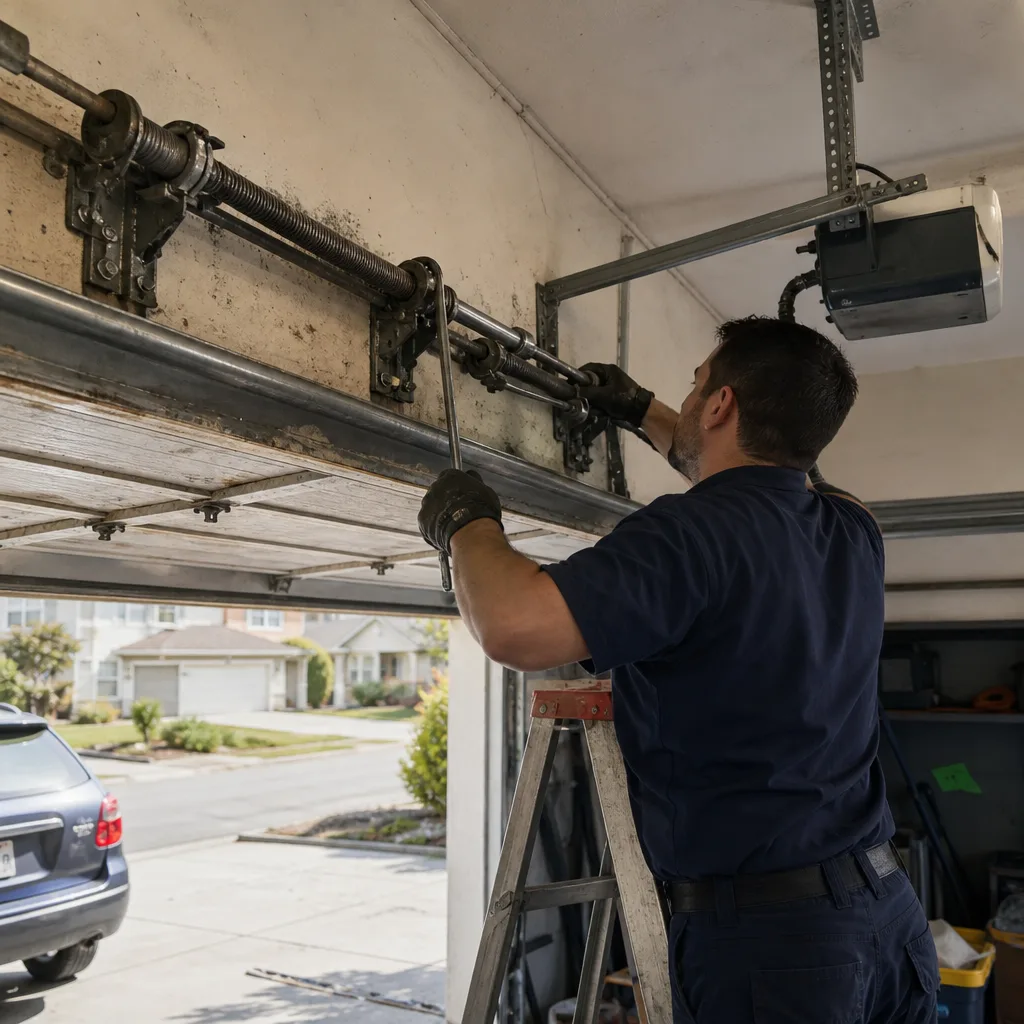 Before
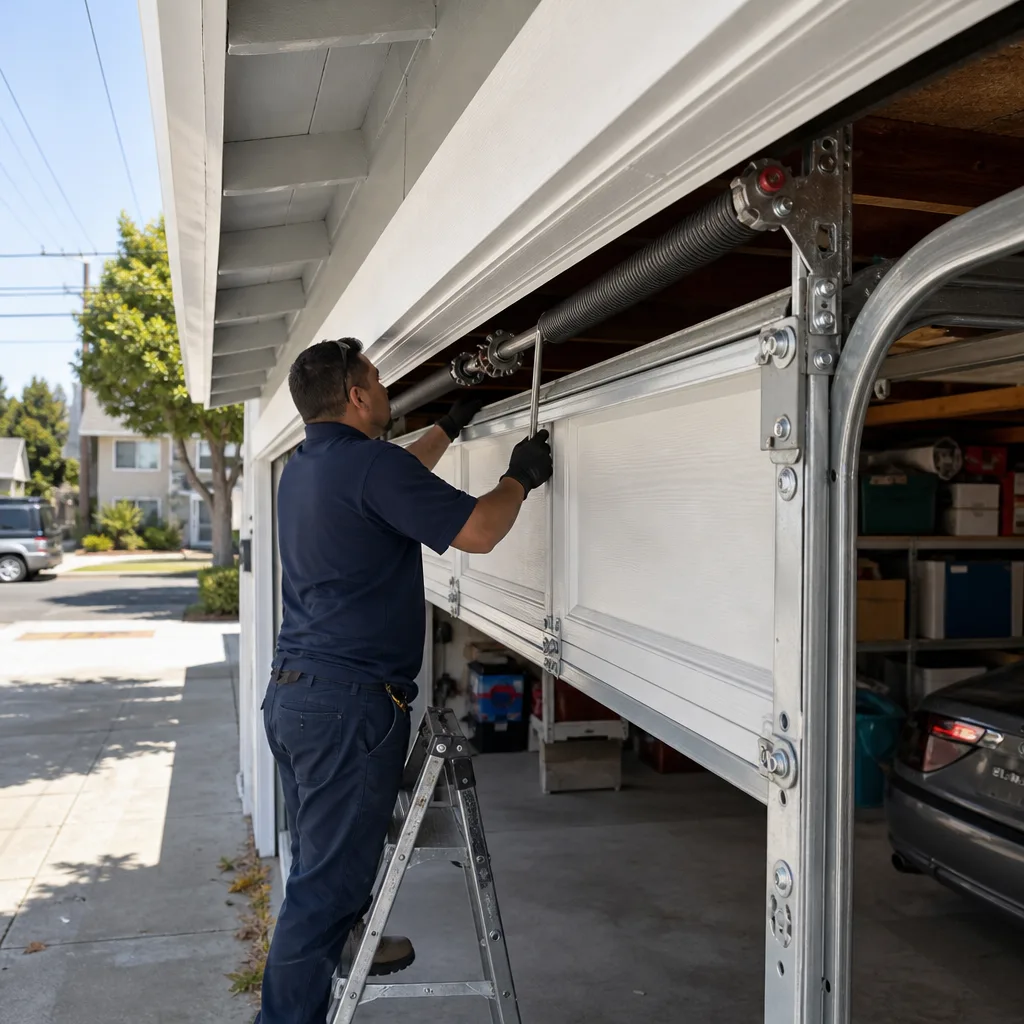
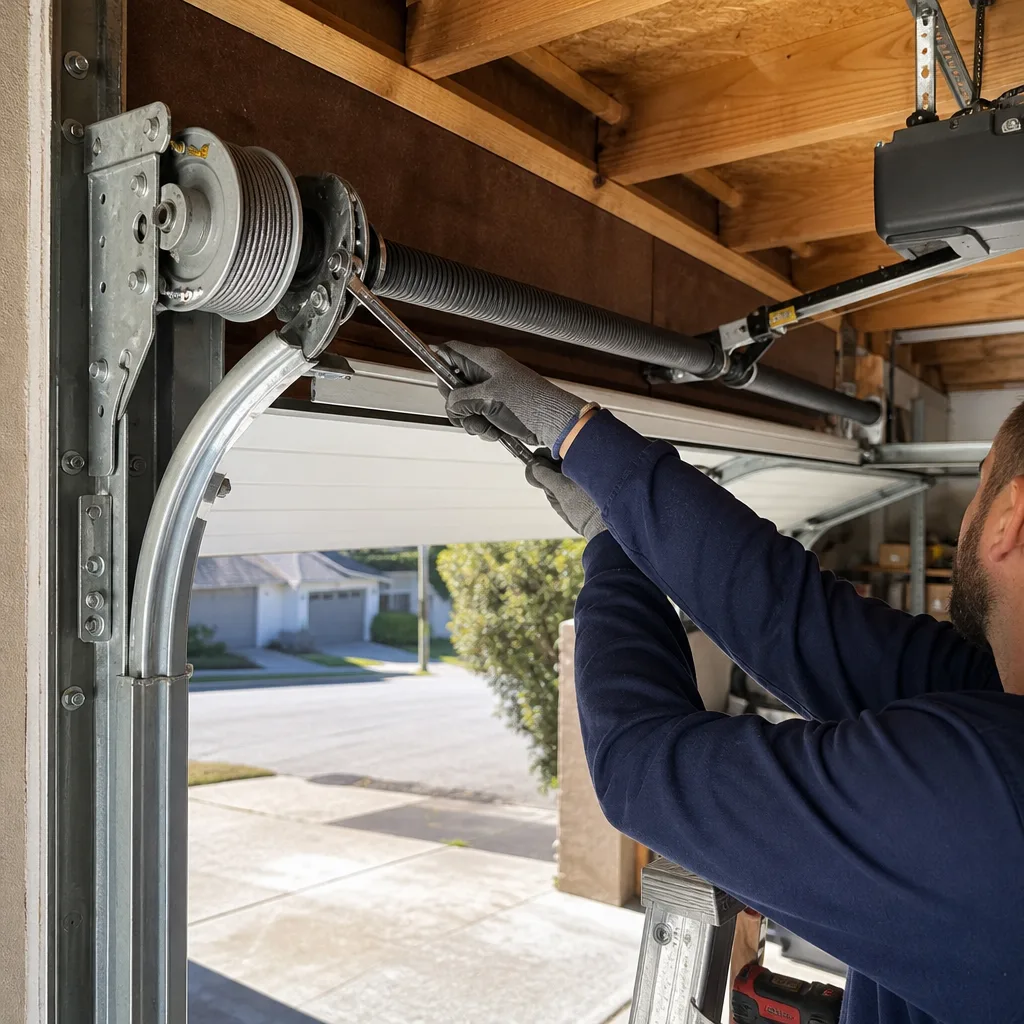
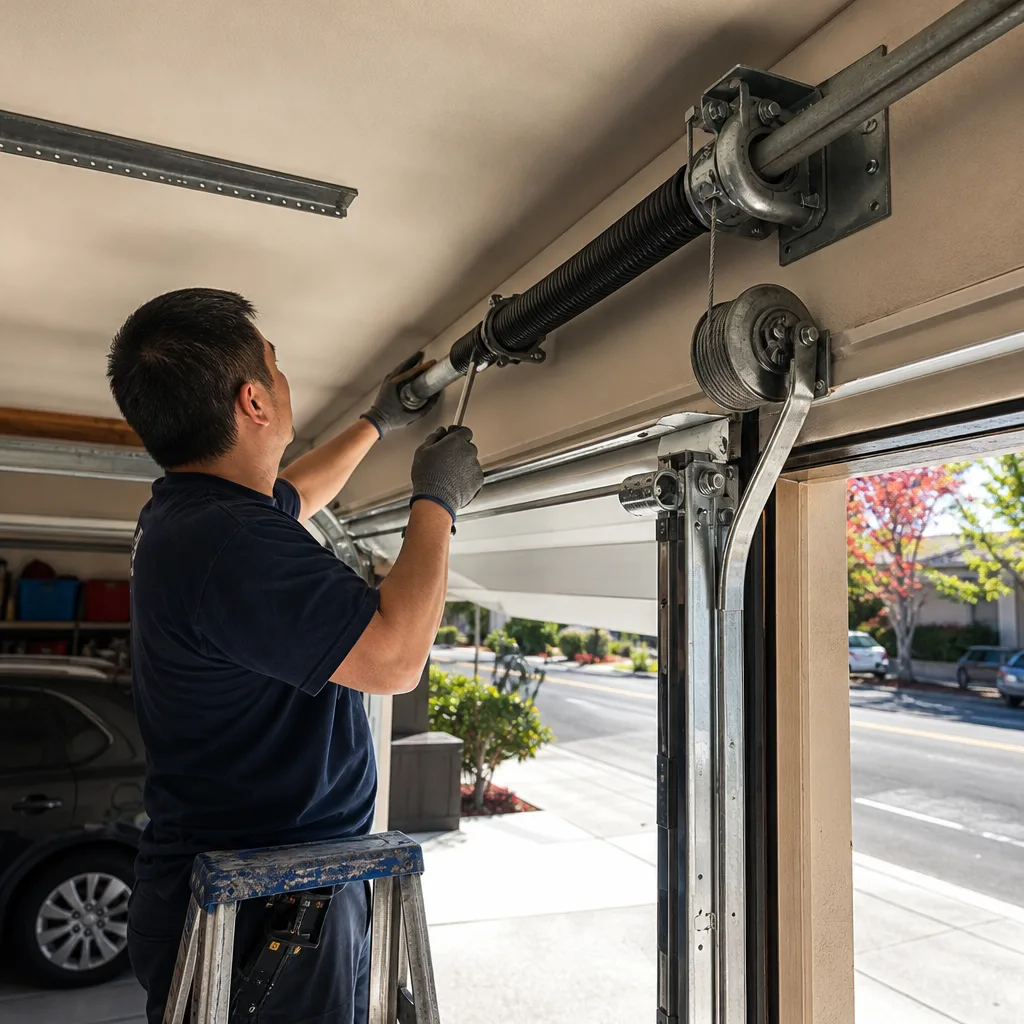 After
After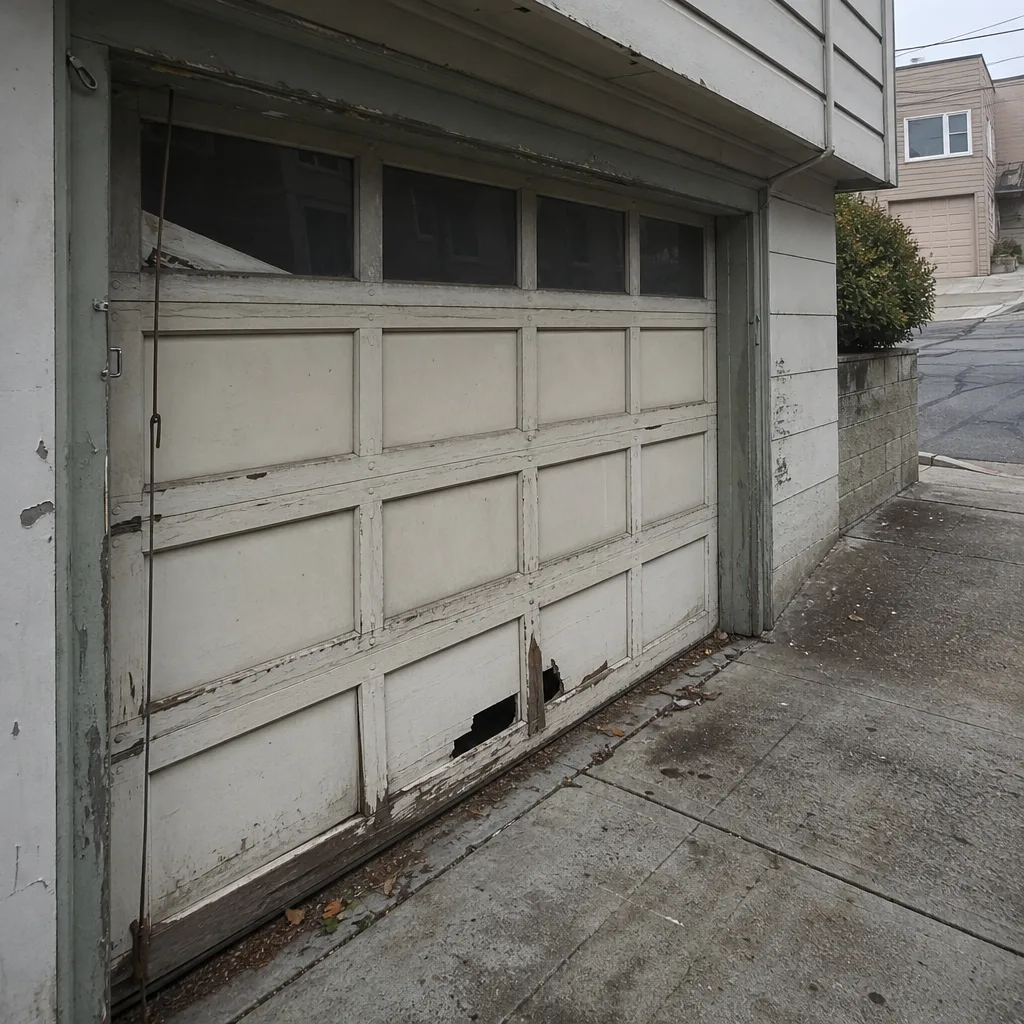 Before
 After
After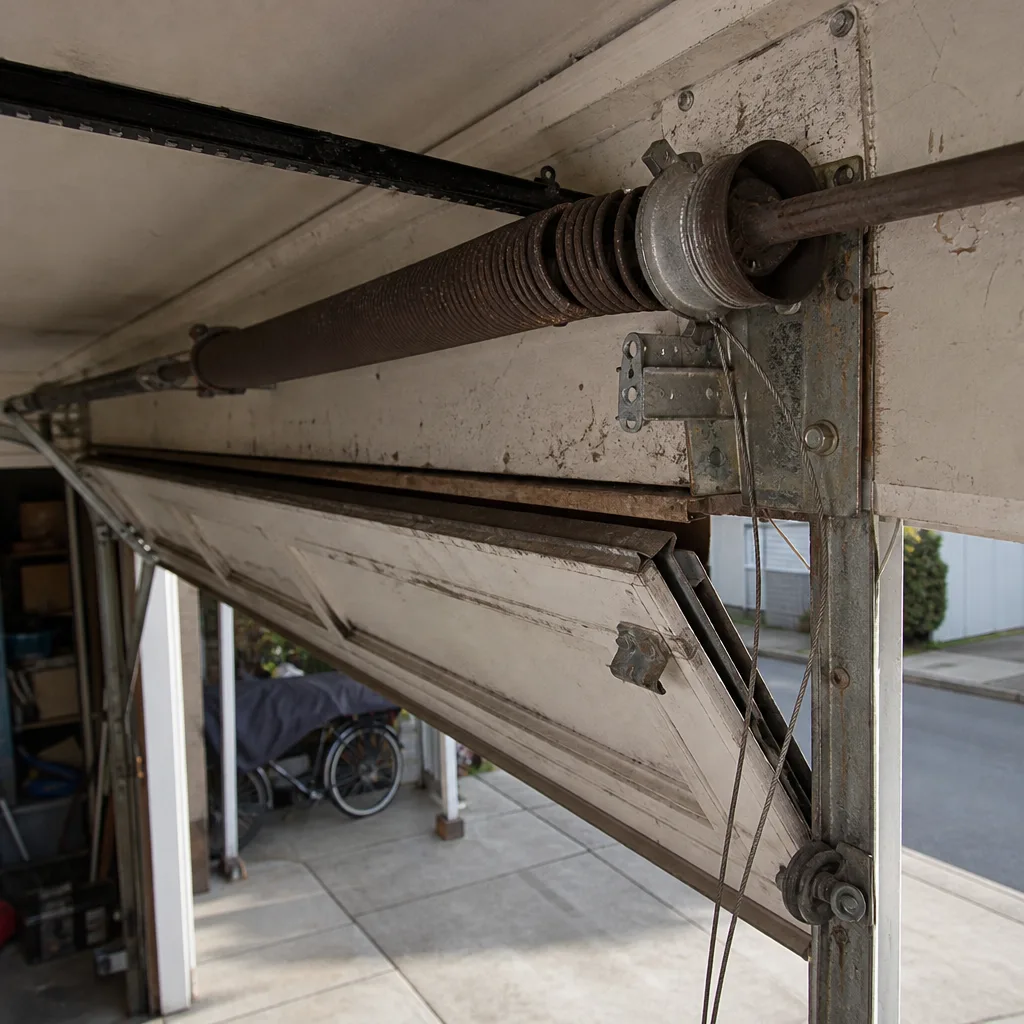 Before
 After
After